

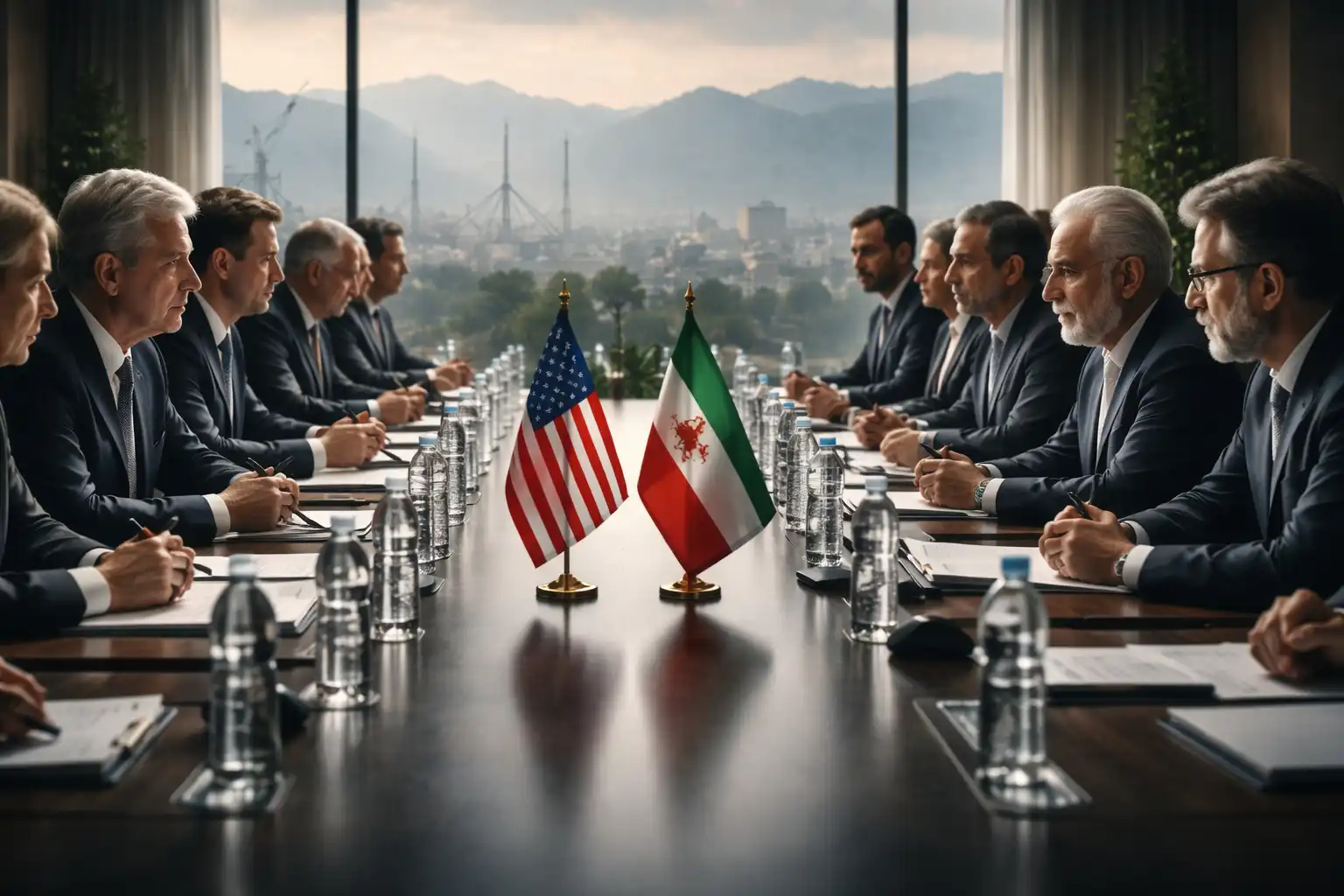
Ceasefire Talks Could Resume as US and Iran Consider Second Round of Negotiations in Islamabad
Diplomatic efforts between the United States and Iran may soon regain momentum as both sides consider returning to Islamabad for a second round of negotiations. Following an initial round of high-stakes talks that ended without a breakthrough, officials and mediators are signaling renewed willingness to continue dialogue under Pakistan’s facilitation. Recent developments suggest that despite deep disagreements, neither side is ready to abandon the negotiation process. Instead, the focus has shifted toward building on the fragile ceasefire and preventing further escalation in an already volatile region.
Ceasefire Talks Could Resume: Background of the First Round
The first round of negotiations in Islamabad marked a rare moment of direct engagement between the United States and Iran, reflecting the urgency of ending a conflict that has disrupted global stability. These discussions followed weeks of military tensions and economic uncertainty, particularly surrounding energy supply routes. However, the talks concluded without a formal agreement after lengthy sessions. Key issues such as Iran’s nuclear program, sanctions, and control over strategic waterways remained unresolved. Despite the lack of a deal, both sides described the discussions as substantive, indicating that communication channels remain open. Analysts note that even unsuccessful negotiations can lay the groundwork for future progress.
Ceasefire Talks Could Resume in Islamabad This Week
Reports from diplomatic sources indicate that a proposal has been circulated to both Washington and Tehran to reconvene negotiations in Islamabad. While no official date has been confirmed, there is growing expectation that talks could resume within days or over the upcoming weekend. Statements from global leaders have reinforced this possibility, emphasizing that complex geopolitical conflicts cannot be resolved in a single meeting and require sustained diplomatic engagement. The continuation of dialogue is seen as essential to maintaining the temporary ceasefire, which remains fragile and time-sensitive.
Major Challenges Facing the Negotiations
Several critical issues continue to hinder progress between the United States and Iran. Among the most contentious points is Iran’s nuclear program, with Washington demanding strict limitations and long-term oversight, while Tehran has resisted what it considers excessive conditions. Another major dispute involves the Strait of Hormuz, a vital global shipping route. Control and access to this waterway have become central to the negotiations, as disruptions have significant implications for international energy markets. Additionally, recent military actions and economic measures such as naval blockades and restrictions on shipping have increased tensions, complicating the diplomatic landscape even further. These challenges highlight the complexity of reaching a comprehensive agreement, even as both sides express cautious optimism about continuing talks.
Pakistan’s Role in Facilitating Ceasefire Talks Could Resume
Pakistan has emerged as a key mediator in the ongoing crisis, providing a neutral platform for dialogue between the United States and Iran. Islamabad’s strategic relationships with multiple regional and global powers have positioned it as an effective intermediary. During the initial round, Pakistani officials played an active role in coordinating discussions and encouraging both sides to remain engaged. The country’s efforts have been widely recognized as crucial in bringing the two adversaries to the negotiating table. With preparations already underway for a potential second round, Pakistan is expected to continue its diplomatic push to bridge gaps and sustain momentum in the peace process.
Global Implications of Renewed Negotiations
The potential resumption of talks carries significant implications for global politics and economic stability. The conflict between the United States and Iran has already impacted oil prices, trade routes, and regional alliances. News of possible renewed negotiations has helped ease some market concerns, particularly regarding disruptions to energy supplies. However, uncertainty remains high, as any breakdown in talks could quickly reverse these gains. At the same time, other regional players are closely monitoring developments, as the outcome of these negotiations could influence broader geopolitical dynamics across the Middle East and beyond.
What Comes Next Instead of a Conclusion
Rather than marking an endpoint, the current situation represents a transitional phase in a longer diplomatic process. The focus now shifts toward whether both sides can agree on a framework for continued dialogue and incremental progress. If a second round of talks takes place in Islamabad, it will test the willingness of both nations to compromise on key issues while maintaining the fragile ceasefire. The coming days are likely to be critical in determining whether diplomacy can prevail over conflict. For now, the possibility that ceasefire talks could resume remains a cautiously hopeful sign in an otherwise uncertain geopolitical landscape.

