

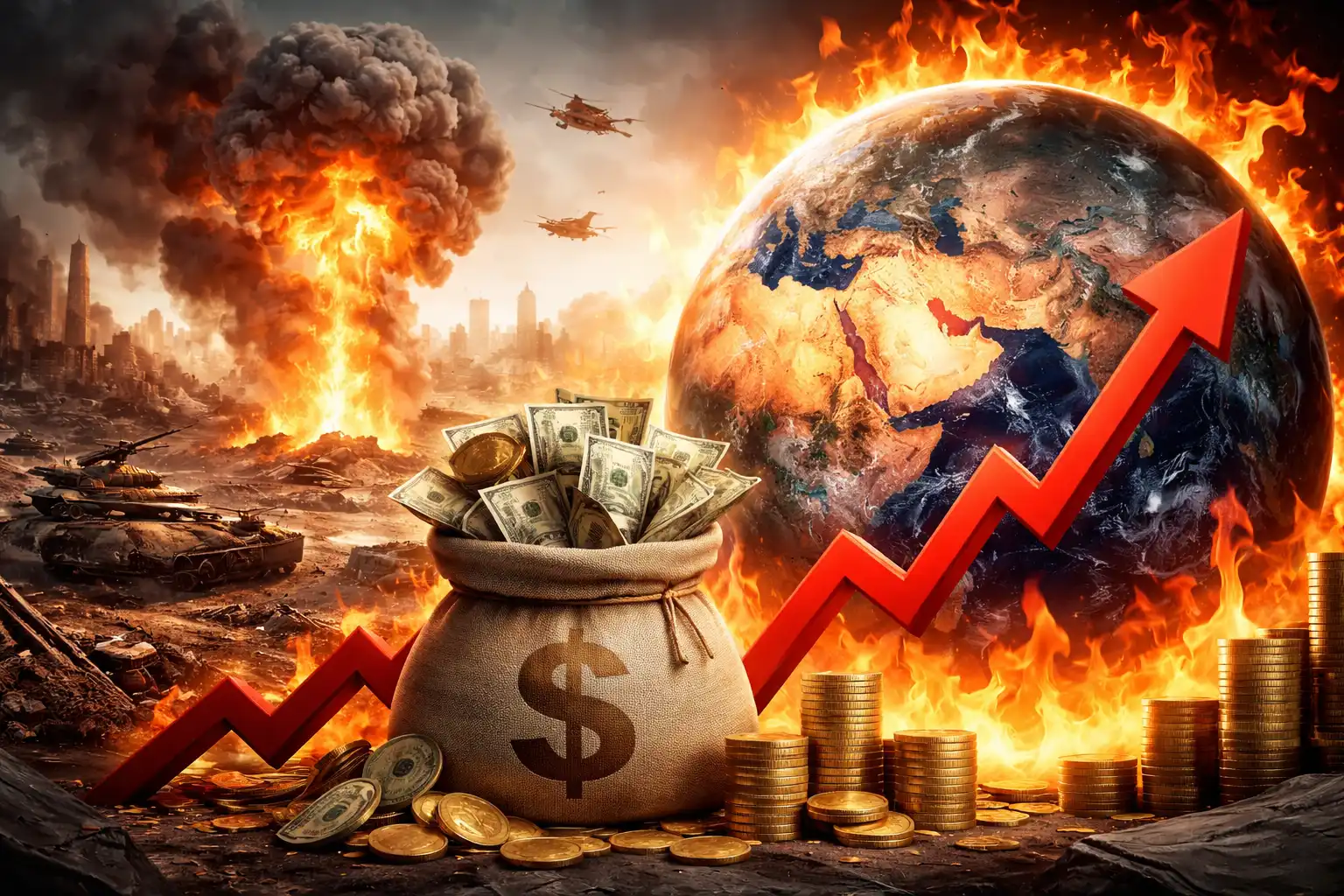
IMF Sees Middle East Conflict Fuelling Global Inflation
The International Monetary Fund (IMF) has raised concerns that ongoing tensions and conflicts in the Middle East are contributing to rising global inflation. As geopolitical instability disrupts energy supplies, trade routes, and investor confidence, the ripple effects are being felt across global markets. Inflation, which many economies were already struggling to control, is now facing renewed pressure due to these developments.
How IMF Sees Middle East Conflict Fuelling Global Inflation Through Energy Prices
One of the primary ways IMF sees Middle East conflict fuelling global inflation is through energy markets. The region is a major producer of oil and gas, and any disruption in supply quickly impacts global prices. Even the threat of conflict can lead to speculative increases in oil prices, as markets anticipate shortages.
Higher oil prices directly affect transportation, manufacturing, and electricity costs. As businesses face increased operational expenses, these costs are often passed on to consumers in the form of higher prices for goods and services. This creates a chain reaction, pushing inflation higher across multiple sectors.
Trade Disruptions and Supply Chain Pressure
Another key factor in how IMF sees Middle East conflict fuelling global inflation is the disruption of trade routes. Important shipping lanes, such as those passing through strategic waterways, can become risky or restricted during conflicts. This leads to delays, higher shipping costs, and reduced availability of goods.
Global supply chains, which are already sensitive due to previous disruptions, become even more strained. Companies may need to find alternative routes or suppliers, often at a higher cost. These additional expenses contribute to inflationary pressures worldwide.
Impact on Developing Economies
The IMF has highlighted that developing economies are particularly vulnerable as Middle East conflict fuels global inflation. Many of these countries rely heavily on imported energy and food. When global prices rise, their import bills increase significantly, putting pressure on government budgets and currency stability.
In some cases, governments may be forced to increase subsidies or reduce spending in other areas to manage the rising costs. This can slow economic growth and worsen living conditions for citizens, especially those already facing financial challenges.
Currency Volatility and Investor Uncertainty
Financial markets tend to react quickly to geopolitical tensions. As IMF sees Middle East conflict fuelling global inflation, it also notes increased currency volatility. Investors often move their capital to safer assets during uncertain times, which can weaken the currencies of emerging markets.
A weaker currency makes imports more expensive, further contributing to inflation. Additionally, uncertainty reduces investment and economic activity, which can slow down recovery efforts in many countries.
Central Bank Challenges in Controlling Inflation
Central banks around the world are already working to manage inflation through interest rate policies. However, as IMF sees Middle East conflict fuelling global inflation, these efforts become more complicated. Inflation driven by external shocks, such as rising oil prices, is harder to control through traditional monetary tools.
Raising interest rates may help reduce demand, but it can also slow economic growth and increase borrowing costs. Policymakers are therefore faced with a difficult balance between controlling inflation and supporting economic stability.
Food Prices and Humanitarian Concerns
Another important aspect of how IMF sees Middle East conflict fuelling global inflation is its effect on food prices. Higher energy costs increase the price of fertilizers, transportation, and agricultural production. This leads to higher food prices globally.
For low-income populations, rising food costs can have serious consequences. It can increase food insecurity and lead to humanitarian challenges, particularly in regions already affected by poverty or instability.
What Lies Ahead for Global Inflation Trends
Looking ahead, the IMF suggests that the extent to which Middle East conflict fuels global inflation will depend on the duration and intensity of the tensions. If the situation stabilizes quickly, the impact may be temporary. However, prolonged conflict could lead to sustained inflationary pressures.
Global cooperation, strategic reserves, and diversified supply chains may help reduce the impact. Still, uncertainty remains high, and policymakers will need to remain flexible in their response to changing conditions.
Final Insights on IMF Sees Middle East Conflict Fuelling Global Inflation
The IMF’s warning highlights the interconnected nature of the global economy. Regional conflicts no longer remain isolated events; they have far-reaching consequences that affect inflation, growth, and stability worldwide. Understanding how IMF sees Middle East conflict fuelling global inflation is crucial for governments, businesses, and individuals as they navigate an increasingly uncertain economic environment.

