

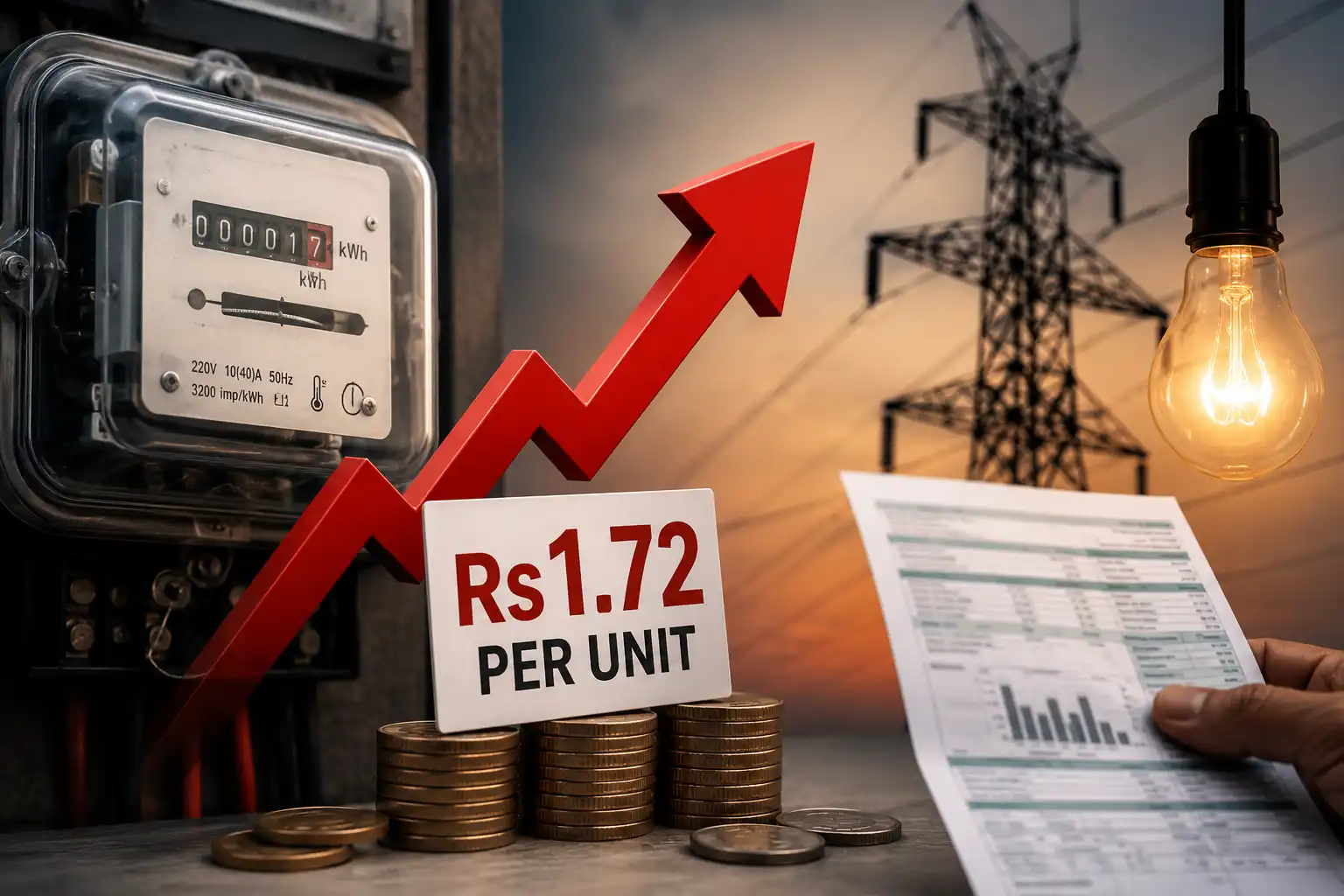
Electricity Consumers May Face Additional Burden as Rs1.72 Per Unit Increase Proposed
Electricity consumers in Pakistan may soon face another financial challenge as authorities have proposed an increase of Rs1.72 per unit in power tariffs. The proposed hike has raised concerns among households, businesses, and industrial sectors that are already struggling with rising inflation and increasing utility expenses. If approved, the tariff adjustment could significantly impact monthly electricity bills across the country.
Electricity Tariff Increase Proposal: What Is Being Suggested?
According to the latest proposal, electricity rates may be increased by Rs1.72 per unit under the fuel cost adjustment mechanism. The proposal has been submitted to the relevant regulatory authority for review and approval. Fuel cost adjustments are generally applied to recover additional expenses incurred by power generation companies due to fluctuations in fuel prices.
Officials argue that changes in global energy markets, higher fuel costs, and increased generation expenses have made the adjustment necessary. The final decision will be made after regulatory proceedings and public consultations.
Reasons Behind the Electricity Tariff Increase Proposal
Several factors have contributed to the proposed increase in electricity tariffs. One of the primary reasons is the rising cost of fuel used in power generation. Pakistan relies on a mix of energy sources, including imported fuels, making electricity production vulnerable to international market trends.
Another significant factor is the depreciation of the local currency, which increases the cost of imported energy resources. Higher operational expenses, transmission costs, and capacity payments have also added pressure to the power sector, leading authorities to seek tariff adjustments.
The government and energy officials maintain that such measures are essential to ensure the financial sustainability of the power sector and to prevent further accumulation of circular debt.
Impact of the Electricity Tariff Increase Proposal on Households
The proposed increase is expected to place additional pressure on household budgets. Families already dealing with higher prices for food, fuel, transportation, and other necessities may find it more difficult to manage monthly expenses.
For example, a household consuming 300 units of electricity per month could see a noticeable increase in its monthly bill if the proposal is approved. Larger households with higher electricity usage may experience even greater financial strain.
Consumers are particularly concerned about the cumulative effect of multiple tariff adjustments introduced over recent years. Many believe that frequent increases reduce their purchasing power and make essential services less affordable.
Electricity Tariff Increase Proposal and Its Effect on Businesses
Businesses of all sizes could also be affected by the proposed tariff increase. Small and medium-sized enterprises often operate with limited profit margins, making them especially vulnerable to rising energy costs.
Higher electricity expenses may force businesses to increase the prices of goods and services to maintain profitability. As a result, consumers could indirectly face higher costs in various sectors, including retail, manufacturing, and services.
Industrial units that rely heavily on electricity for production may experience increased operational costs, potentially affecting competitiveness and investment decisions. Industry representatives have repeatedly emphasized the need for affordable and stable energy prices to support economic growth.
Public Response to the Electricity Tariff Increase Proposal
The proposal has generated mixed reactions among the public. Consumer advocacy groups argue that ordinary citizens should not bear the burden of inefficiencies within the energy sector. They have called for structural reforms, improved governance, and measures to reduce transmission losses before imposing additional costs on consumers.
On the other hand, energy experts note that maintaining the financial health of the power sector requires periodic adjustments when generation costs rise. They stress that long-term solutions should focus on increasing efficiency, expanding renewable energy sources, and reducing dependence on expensive imported fuels.
Public hearings and regulatory reviews are expected to provide stakeholders with an opportunity to present their views before a final decision is reached.
Possible Economic Implications of the Electricity Tariff Increase Proposal
The proposed increase may have broader economic consequences beyond individual electricity bills. Higher energy costs often contribute to inflation, as businesses pass additional expenses on to consumers. This can affect the prices of various goods and services throughout the economy.
Economists suggest that persistent increases in utility costs can reduce household spending power and slow consumer demand. At the same time, the government faces the challenge of balancing consumer relief with the financial requirements of the energy sector.
Experts believe that improving energy efficiency, investing in renewable power generation, and modernizing infrastructure could help reduce long-term costs and lessen the need for frequent tariff adjustments.
What Happens Next in the Electricity Tariff Increase Proposal?
The proposal will undergo a review process by the relevant regulatory authority before any final decision is announced. During this process, officials will examine the justification for the increase, evaluate financial data, and consider feedback from stakeholders.
If approved, the revised tariff may be reflected in upcoming electricity bills. Consumers, businesses, and industry representatives will closely monitor the proceedings, as the outcome could have significant implications for energy costs across the country.
FOLLOW LIVE UPDATES
Key Developments to Watch
- Regulatory review of the proposed Rs1.72 per unit increase.
- Public hearings and stakeholder feedback.
- Potential impact on future electricity bills.
- Government measures to address energy sector challenges.
- Long-term reforms aimed at reducing power generation costs.
The proposed tariff adjustment has once again highlighted the ongoing challenges facing Pakistan’s energy sector. As authorities review the proposal, consumers and businesses alike remain concerned about the potential financial impact and the broader economic effects of rising electricity costs.

