

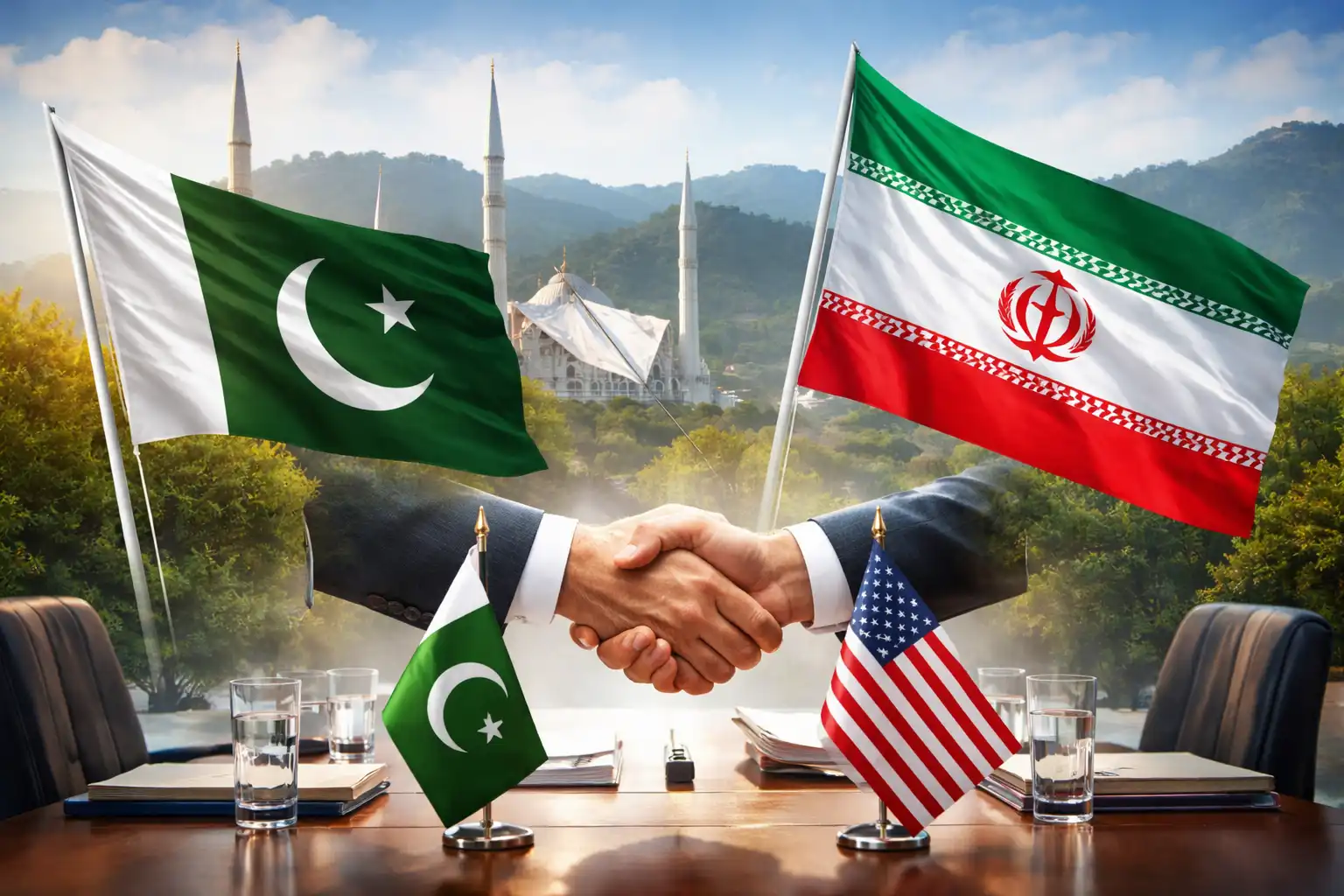
Preparations in Islamabad for Potential Iran US Talks
Islamabad is reportedly making early preparations to host potential negotiations between Iran and the United States, signaling a renewed effort toward diplomatic engagement in a region long shaped by tension and mistrust. While no official confirmation has been issued by either Tehran or Washington, sources suggest that backchannel communications have intensified in recent weeks. Pakistan, with its strategic geographic location and balanced diplomatic ties, is being considered as a neutral venue for facilitating dialogue.
The idea of hosting such talks reflects Pakistan’s growing role in regional diplomacy. Over the years, Islamabad has positioned itself as a bridge between conflicting parties, leveraging its relationships with both Western powers and neighboring countries. The possibility of hosting Iran–US talks further underscores this evolving diplomatic stance.
Islamabad’s Strategic Role in Iran US Talks
The potential hosting of Iran–US talks in Islamabad is not merely symbolic; it carries significant geopolitical weight. Pakistan has maintained cordial relations with Iran while also being a longstanding ally of the United States. This dual engagement places Islamabad in a unique position to facilitate trust-building measures between the two adversaries.
Government officials are reportedly reviewing security protocols, venue options, and logistical arrangements to ensure a smooth and secure environment for high-level discussions. Diplomatic sources indicate that several government departments have been quietly coordinating efforts, including the foreign ministry, security agencies, and local administration.
Diplomatic and Security Preparations Underway
Preparations for Iran–US talks in Islamabad involve a multi-layered approach focusing on diplomacy, security, and infrastructure. Security agencies are expected to implement strict measures to ensure the safety of delegations, including controlled access zones, surveillance enhancements, and coordination with international security teams.
On the diplomatic front, Pakistan is likely engaging in preliminary consultations with both Iran and the United States to finalize the scope and framework of the talks. These discussions may include setting agendas, determining the level of representation, and identifying key issues to be addressed, such as nuclear concerns, regional stability, and sanctions.
Infrastructure readiness is another crucial aspect. Islamabad offers several high-security venues capable of hosting international delegations, including government guest houses and conference facilities equipped with modern communication systems. These venues are being assessed for suitability in terms of privacy, accessibility, and security.
Regional and Global Implications
The potential Iran–US talks in Islamabad could have far-reaching implications for regional stability and global diplomacy. A successful dialogue may ease tensions in the Middle East, particularly in conflict zones where both countries have competing interests. It could also revive stalled negotiations related to nuclear agreements and economic sanctions.
For Pakistan, hosting such talks would enhance its international standing as a mediator and peace facilitator. It would demonstrate Islamabad’s commitment to promoting dialogue over conflict and could open doors for future diplomatic initiatives involving other regional disputes.
Moreover, neighboring countries and global powers are closely monitoring these developments. China, Russia, and Gulf nations may view Pakistan’s role as an opportunity to support broader diplomatic efforts aimed at reducing tensions and fostering cooperation.
Challenges and Uncertainties Ahead
Despite the optimism surrounding the potential Iran–US talks in Islamabad, several challenges remain. Trust deficits between Iran and the United States run deep, shaped by decades of political disagreements, economic sanctions, and military confrontations. Any negotiation process will require careful handling of sensitive issues and a willingness from both sides to compromise.
Domestic political considerations in both countries could also influence the outcome. Leadership changes, public opinion, and internal policy debates may impact the willingness to engage in meaningful dialogue. Additionally, external factors such as regional conflicts or unexpected incidents could derail the process.
What Comes Next in the Diplomatic Process
As preparations continue, the next phase will likely involve formal confirmations and the announcement of a timeline for the talks. Diplomatic channels are expected to remain active, with behind-the-scenes negotiations shaping the final structure of the engagement.
Observers anticipate that if the talks materialize, they may begin with preliminary meetings at the technical or ambassadorial level before progressing to higher-level discussions. Confidence-building measures, such as limited agreements or humanitarian initiatives, could serve as initial steps toward broader negotiations.

