

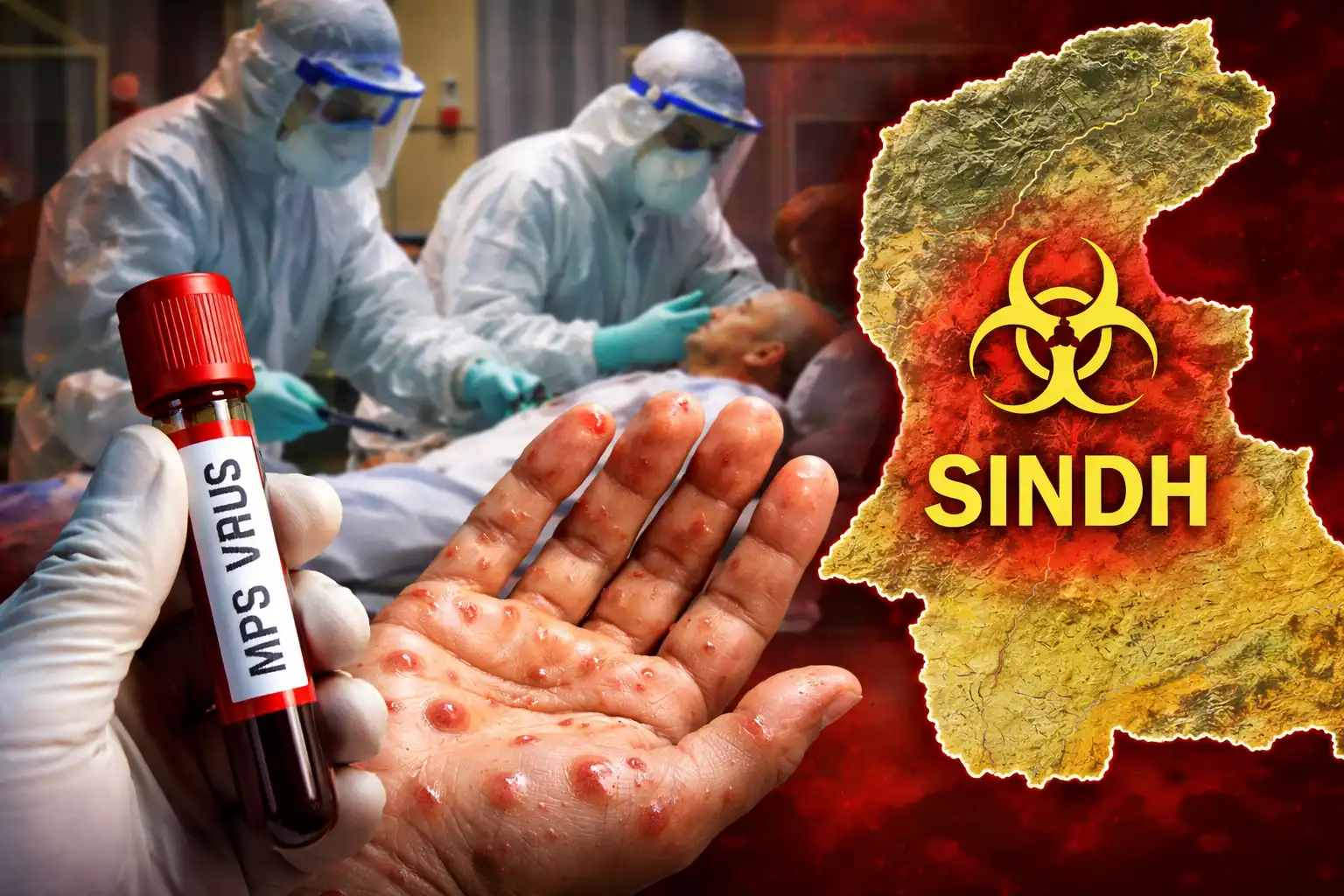
Rising Concerns Over Mpox Virus Spread in Sindh
Health authorities in Sindh are facing growing concern as cases of the Mpox virus continue to rise. According to recent reports, at least 122 suspected cases have been identified across various districts of the province. This sudden increase has put medical institutions on alert, prompting swift action to monitor and contain the potential outbreak. The situation has raised questions about preparedness, public awareness, and the effectiveness of preventive measures.
What is the Mpox Virus and Why It Matters
The Mpox virus, formerly known as monkeypox, is a viral infection that spreads primarily through close physical contact. It can also be transmitted via respiratory droplets or contaminated surfaces. Symptoms often include fever, headache, muscle aches, and a distinctive skin rash that progresses through several stages.
While the virus is generally less severe than some other infectious diseases, it can still pose serious health risks, particularly for individuals with weakened immune systems. The increasing number of suspected cases in Sindh highlights the importance of early detection and public education.
Mpox Virus Cases in Sindh: Current Situation and Statistics
The reported 122 suspected Mpox virus cases have emerged from multiple regions, including urban centers and rural areas. Health departments are actively conducting screenings and laboratory testing to confirm these cases. Officials have emphasized that not all suspected cases may turn out to be positive, but the volume itself is a cause for concern.
Hospitals have been instructed to establish isolation wards and ensure that medical staff are equipped with protective gear. Surveillance teams are also tracing contacts of suspected patients to prevent further spread. The situation is evolving rapidly, and authorities are working around the clock to manage the outbreak.
Symptoms and Early Detection of Mpox Virus
Recognizing the symptoms of the Mpox virus early can play a crucial role in preventing its spread. Common signs include:
- Fever and chills
- Fatigue and body aches
- Swollen lymph nodes
- Skin rashes or lesions
The rash typically begins on the face and spreads to other parts of the body. Individuals experiencing these symptoms are advised to seek medical attention immediately and avoid close contact with others.
Preventive Measures Against Mpox Virus Transmission
Preventing the spread of the Mpox virus requires a combination of personal hygiene and public health strategies. Health experts recommend the following precautions:
- Avoid close contact with infected individuals
- Wash hands frequently with soap and water
- Use sanitizers when handwashing is not possible
- Wear masks in crowded areas
- Disinfect frequently touched surfaces
Public awareness campaigns are being launched to educate citizens about these preventive measures. Schools, workplaces, and community centers are also being targeted to ensure widespread dissemination of information.
Government Response to Mpox Virus Cases in Sindh
The Sindh government has taken several steps to address the rising Mpox virus cases. Emergency response teams have been activated, and coordination with federal health authorities is ongoing. Hospitals are being supplied with necessary medical equipment, and training sessions are being conducted for healthcare workers.
In addition, screening at airports and other entry points has been intensified to prevent imported cases. Authorities are also considering temporary restrictions in high-risk areas if the situation worsens.
Public Awareness and Community Responsibility in Mpox Virus Control
Public cooperation is essential in controlling the spread of the Mpox virus. Citizens are encouraged to stay informed through official channels and avoid spreading misinformation. Community leaders and local organizations are playing a vital role in spreading awareness and supporting affected individuals.
Efforts are also being made to reduce stigma associated with the disease, as fear and misinformation can hinder effective response measures. Open communication and community engagement remain key components in managing the situation.
Strengthening Health Systems and Preparedness
The recent surge in Mpox virus cases serves as a reminder of the importance of robust healthcare systems and proactive planning. Authorities are focusing on improving diagnostic capabilities, enhancing surveillance, and ensuring rapid response mechanisms.
Continued vigilance, combined with public cooperation and effective health policies, will be essential in addressing the current situation and preventing future outbreaks.

