

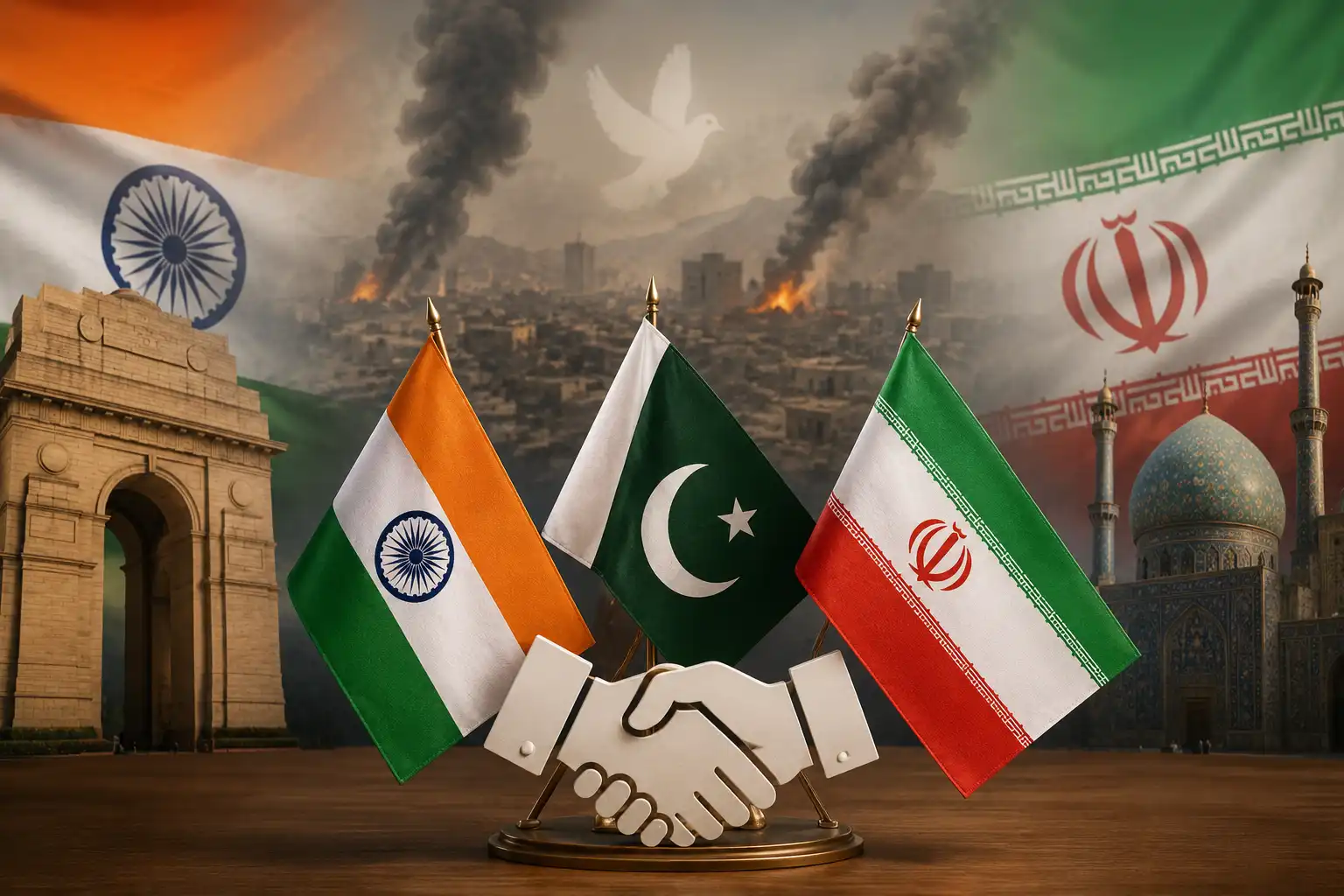
India Has No Objection to Pakistan Mediation in Iran Conflict
The growing tensions involving Iran have once again placed regional diplomacy under global focus. Amid fears of instability in the Middle East and South Asia, Pakistan’s mediation in Iran conflict has emerged as an important diplomatic effort aimed at reducing tensions and promoting dialogue between concerned nations.
In a significant statement, US Senator and senior American politician Marco Rubio said that India does not object to Pakistan’s diplomatic role regarding the Iran conflict. His remarks have attracted attention across international political circles because of the sensitive relationship between Pakistan and India.
Pakistan has historically maintained diplomatic relations with both Iran and Gulf countries, allowing Islamabad to play a balanced role in regional matters. Analysts believe that Pakistan’s efforts to encourage dialogue rather than confrontation are being viewed positively by several global powers.
Marco Rubio’s Statement on Pakistan’s Mediation in Iran Conflict
During discussions related to regional security and international diplomacy, Marco Rubio reportedly indicated that India has not raised objections over Pakistan’s diplomatic engagement concerning Iran related tensions.
The statement is being interpreted as a sign that regional countries understand the importance of diplomatic channels in avoiding wider conflict. Political observers say that Pakistan’s geographic position and longstanding ties with neighboring countries make it a natural participant in peace discussions.
Pakistan’s leadership has repeatedly emphasized that dialogue, cooperation, and political understanding are the only ways to prevent escalation in the region. Islamabad has also expressed concerns over the humanitarian and economic consequences of prolonged conflict in the Middle East.
Why Pakistan’s Mediation in Iran Conflict Matters
Pakistan’s mediation in Iran conflict carries strategic importance for several reasons. First, Pakistan shares a border with Iran, making regional peace directly connected to Pakistan’s own security and economy. Any instability in Iran can impact trade routes, border security, and energy cooperation.
Secondly, Pakistan maintains diplomatic communication with multiple countries involved in Middle Eastern affairs. This allows Islamabad to present itself as a neutral voice encouraging peaceful negotiation.
Experts also believe that if Pakistan succeeds in reducing tensions or facilitating communication, it could strengthen the country’s international diplomatic standing. In recent years, Pakistan has attempted to project itself as a country focused on regional stability and economic cooperation rather than conflict.
India’s Position on Pakistan’s Mediation in Iran Conflict
India has traditionally maintained its own independent foreign policy regarding Iran and the Middle East. New Delhi also has strong economic interests connected to Iranian energy resources and regional trade projects.
According to remarks highlighted by Marco Rubio, India does not appear to oppose Pakistan’s diplomatic engagement in the matter. This development is important because relations between Pakistan and India often remain tense due to political and security disputes.
International analysts suggest that when regional powers avoid opposing diplomatic efforts, it creates better opportunities for dialogue and crisis management. Even limited cooperation or non-opposition between rival states can reduce the chances of misunderstanding during sensitive international situations.
Global Reactions to Pakistan’s Diplomatic Role
Pakistan’s mediation in Iran conflict has also drawn attention from global organizations and political experts. Many observers believe that countries with communication channels across different blocs can play useful roles during periods of crisis.
The United States, China, Gulf nations, and European countries continue monitoring the regional situation carefully. Any diplomatic initiative that lowers tensions is generally welcomed because conflict in the region can affect global oil markets, trade routes, and international security.
Foreign policy experts note that Pakistan’s diplomatic strategy appears focused on neutrality and stability. Islamabad has repeatedly urged restraint while encouraging peaceful negotiations among all concerned parties.
Regional Stability and Future Diplomatic Efforts
The current geopolitical environment remains highly sensitive, especially with ongoing tensions in different parts of the Middle East. Pakistan’s mediation in Iran conflict may continue to evolve depending on regional developments and international responses.
Diplomatic engagement often requires continuous communication, trust-building measures, and cooperation between multiple countries. Pakistan’s role as a mediator could expand if regional actors continue supporting peaceful dialogue over military escalation.
Political analysts believe that reducing tensions through diplomacy benefits all countries in the region, including Pakistan, Iran, and India. Stability supports economic growth, trade opportunities, and regional cooperation, while prolonged conflict can create uncertainty across Asia and the Middle East.
Key Developments to Watch
Several important developments may shape the future of Pakistan’s mediation in Iran conflict:
- Continued diplomatic communication between regional powers
- International support for peaceful negotiations
- Economic and security cooperation in the region
- Statements from global political leaders regarding mediation efforts
- Efforts to prevent military escalation and maintain regional stability
Pakistan’s diplomatic approach will likely remain under international observation as regional tensions continue to influence global politics and security discussions.

