

Growing Concerns Over Foreign Influence and Internal Stability
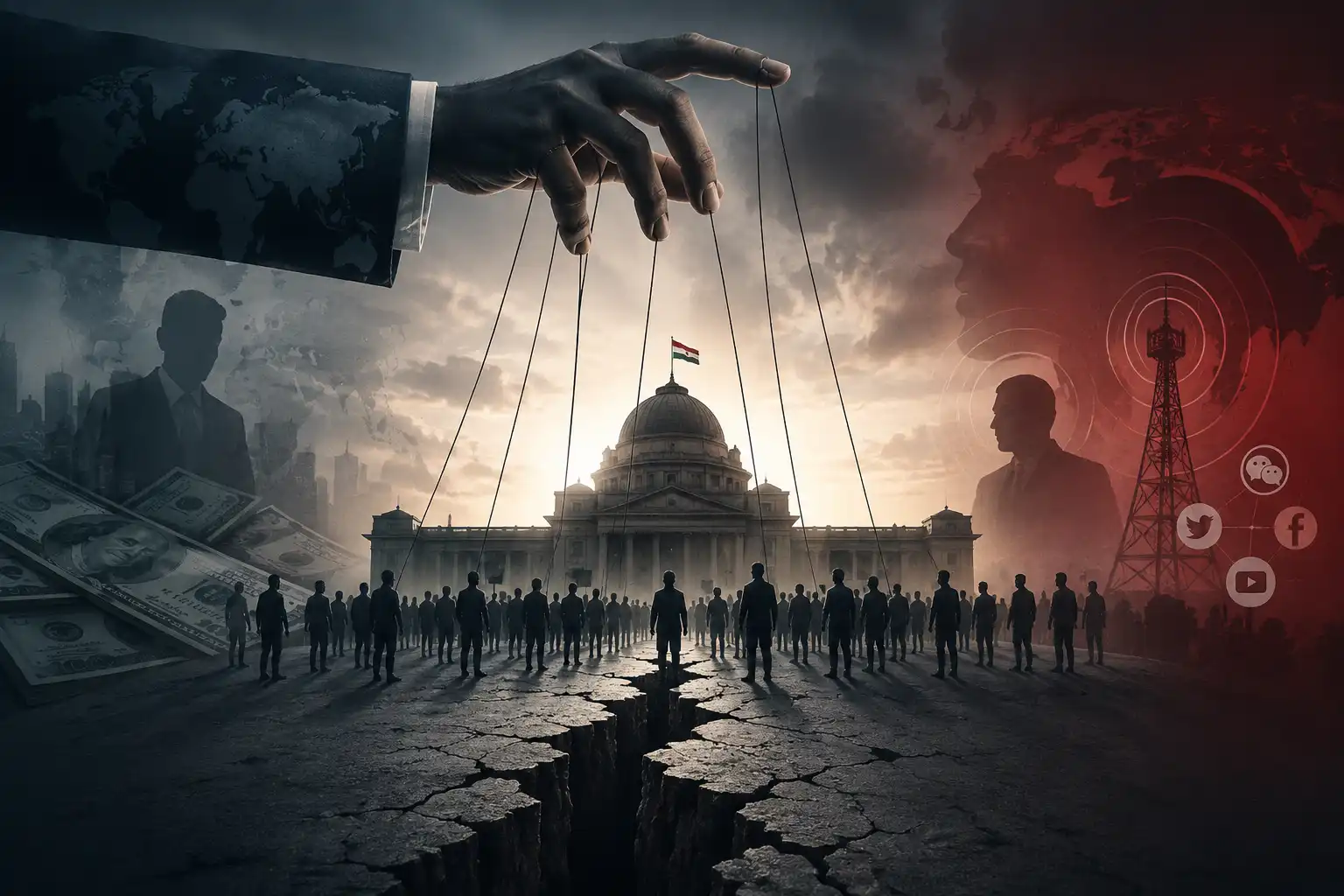
Iran’s leadership has once again warned against what it describes as foreign attempts to weaken the country from within. Speaking on recent developments, Supreme Leader Mojtaba Khamenei stated that after failing to achieve its objectives on the battlefield, the enemy has shifted its focus toward creating divisions inside Iran. According to him, external powers are now relying on psychological warfare, media campaigns, and social tensions to undermine national unity.
The remarks come at a time when regional tensions remain high and political debates continue across the Middle East. Iranian officials believe that military pressure alone has not produced the desired outcomes for their adversaries, leading them to adopt alternative strategies aimed at influencing public opinion and creating internal discord.
After Defeat on the Battlefield, the Enemy Is Now Sowing Seeds of Division in Iran Through Media Campaigns
According to Iranian authorities, modern conflicts are no longer limited to conventional military operations. They argue that information warfare has become one of the most effective tools used by rival states and organizations. Through social media platforms, online networks, and international media outlets, narratives can spread rapidly and shape public perceptions.
Iranian leaders claim that these campaigns are designed to create mistrust among citizens, weaken confidence in national institutions, and encourage political polarization. They believe that the ultimate objective is to generate instability without engaging in direct military confrontation.
Supporters of this viewpoint argue that information warfare can sometimes have a greater impact than traditional military actions because it targets the social fabric of a nation. By influencing opinions and deepening disagreements, adversaries may attempt to achieve political goals through indirect means.
National Unity Remains a Central Priority
A key theme in the statement was the importance of preserving national unity. Iranian officials frequently emphasize that internal cohesion is essential for maintaining security and economic resilience. They argue that political differences should not evolve into social divisions that could weaken the country.
The leadership has called on citizens, political groups, and public institutions to remain vigilant against efforts that may fuel discord. Officials maintain that constructive debate is a normal part of society, but they warn against actions that could be exploited by foreign actors seeking to advance their own interests.
Observers note that appeals for unity often become more prominent during periods of regional uncertainty. Governments facing external pressure commonly stress the need for solidarity as a way to strengthen national resolve.
After Defeat on the Battlefield, the Enemy Is Now Sowing Seeds of Division in Iran Through Psychological Warfare
Psychological warfare was another major focus of the statement. Iranian leaders contend that adversaries increasingly use fear, misinformation, and rumors to influence public sentiment. They argue that the spread of false or misleading information can create confusion and make it more difficult for citizens to distinguish facts from speculation.
In this context, authorities have encouraged the public to verify information before sharing it and to rely on trusted sources for news and analysis. Officials believe that public awareness is one of the most effective defenses against attempts to manipulate perceptions.
Experts in international relations often describe psychological warfare as an important component of modern geopolitical competition. Governments around the world invest significant resources in strategic communication, information management, and public diplomacy to protect their interests.
Regional Developments and Strategic Challenges
The broader regional environment continues to shape Iran’s security concerns. Ongoing conflicts, diplomatic disputes, and shifting alliances have created a complex landscape across the Middle East. Iranian leaders frequently link domestic stability to regional developments, arguing that external challenges can have direct consequences for internal affairs.
At the same time, economic pressures and political debates remain important topics within the country. Analysts suggest that managing both domestic and external challenges simultaneously requires a careful balance between security priorities and public expectations.
The leadership’s latest remarks reflect a broader narrative that emphasizes vigilance, resilience, and national solidarity in the face of perceived external threats. By highlighting the risks of division and psychological warfare, officials seek to reinforce the importance of unity during a period of continued regional uncertainty.
What the Statement Signals for Iran’s Future
The statement underscores Iran’s view that future challenges may emerge not only from military confrontations but also from efforts to influence society, politics, and public opinion. As technology continues to transform the information landscape, concerns about misinformation, foreign influence, and social cohesion are likely to remain central issues in national security discussions. Iranian leaders maintain that protecting unity and strengthening public awareness will be critical factors in addressing these evolving challenges.

