

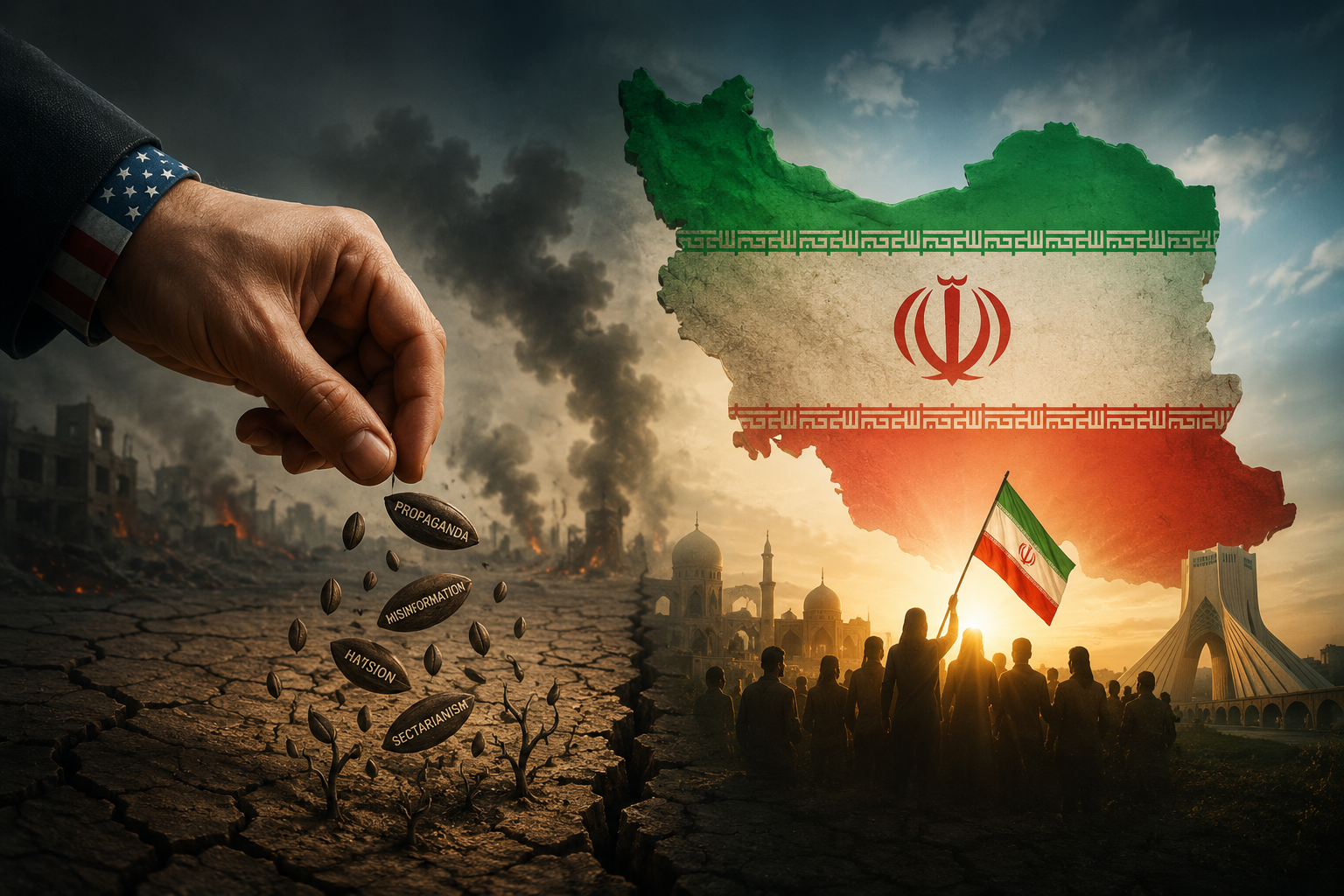
After Defeat on the Battlefield, the Enemy Is Now Sowing Seeds of Division in Iran Supreme Leader Mojtaba Khamenei
The Growing Concern Over Internal Unity
Iran’s Supreme Leader, Mojtaba Khamenei, has warned that following failures on the battlefield, hostile forces have shifted their strategy toward creating divisions within Iranian society. According to his remarks, external opponents who were unable to achieve their objectives through military pressure are now attempting to weaken the country from within by encouraging discord, mistrust, and social fragmentation.
His statement comes at a time when regional tensions remain high and geopolitical rivalries continue to shape developments across the Middle East. Iranian officials have repeatedly emphasized that maintaining national unity is essential for safeguarding the country’s security, sovereignty, and long-term stability.
Enemy Sowing Seeds of Division in Iran Through New Tactics
The phrase “Enemy Sowing Seeds of Division in Iran” reflects what Iranian leaders describe as a transition from direct confrontation to indirect methods of influence. Rather than relying solely on military operations, adversaries are allegedly using information campaigns, political pressure, economic challenges, and psychological warfare to create uncertainty among the population.
Iranian authorities argue that these efforts are designed to exploit existing differences within society and magnify them for political purposes. By encouraging disputes between various social, political, and cultural groups, opponents seek to weaken national cohesion and undermine public confidence in state institutions.
Officials believe that such tactics are often more difficult to identify than traditional military threats because they operate through media narratives, online platforms, and coordinated messaging campaigns.
Enemy Sowing Seeds of Division in Iran Through Media Influence
One of the key concerns raised by Iranian leadership involves the role of international media and digital communication channels. According to officials, media platforms can become tools for spreading misinformation, exaggerating social tensions, and promoting narratives intended to create conflict among citizens.
The rapid expansion of social media has transformed the way information is shared and consumed. While these platforms provide opportunities for communication and public discussion, they can also be used to circulate unverified claims and emotionally charged content.
Iranian authorities argue that hostile actors may attempt to use digital networks to influence public opinion, create confusion, and increase polarization. In response, officials have called for greater awareness and critical evaluation of information sources.
The Psychological Dimension of Modern Conflict
Modern conflicts increasingly involve psychological and informational elements rather than purely military engagement. Governments around the world have recognized that influencing public perception can sometimes produce significant political outcomes without the use of force.
Iranian leaders maintain that adversaries are investing heavily in strategies aimed at weakening morale, reducing trust in institutions, and encouraging social divisions. Such efforts, they argue, are intended to create internal instability that could achieve goals previously pursued through military means.
The Supreme Leader’s comments highlight the belief that national resilience depends not only on military preparedness but also on social solidarity and public awareness.
Enemy Sowing Seeds of Division in Iran and Regional Developments
Regional events have played an important role in shaping Iran’s security outlook. Ongoing conflicts, diplomatic disputes, and shifting alliances have created a complex environment in which information and perception often carry as much importance as military strength.
Iranian officials claim that recent battlefield setbacks experienced by their opponents have led those actors to pursue alternative strategies. Rather than direct confrontation, these strategies allegedly focus on influencing internal dynamics within Iran and creating divisions among different segments of society.
From the Iranian perspective, preserving unity during periods of regional uncertainty is considered a critical national priority. Leaders argue that social cohesion can help the country withstand external pressures and maintain stability despite ongoing challenges.
National Unity as a Strategic Priority
Throughout Iran’s modern history, political leaders have frequently emphasized the importance of unity in the face of external threats. The concept extends beyond politics and includes cultural identity, social cooperation, and collective resilience.
Mojtaba Khamenei’s remarks reinforce this longstanding theme by suggesting that national solidarity remains one of the country’s strongest defenses against foreign influence. He argued that citizens should remain vigilant against efforts designed to create mistrust, hostility, or division among different groups.
Supporters of this viewpoint believe that unity enables societies to respond more effectively to economic difficulties, security concerns, and political pressures. They contend that a divided society is more vulnerable to manipulation by outside actors seeking to advance their own interests.
Public Awareness and the Response to Division Efforts
Iranian officials have encouraged citizens to strengthen social cooperation and remain cautious about narratives that may contribute to polarization. They stress the importance of verifying information, engaging in constructive dialogue, and avoiding actions that could deepen internal disagreements.
The Supreme Leader’s warning reflects a broader concern that modern geopolitical competition increasingly extends beyond military arenas and into the realms of information, public opinion, and social cohesion. As global communication networks continue to evolve, governments around the world face growing challenges related to misinformation, influence campaigns, and societal polarization.
According to Iranian leadership, the most effective response to such challenges is a combination of public awareness, national solidarity, and a commitment to preserving social stability. In this context, unity is presented not only as a political objective but also as a strategic necessity in an era where conflicts are increasingly fought through ideas, narratives, and influence rather than conventional warfare alone.

