

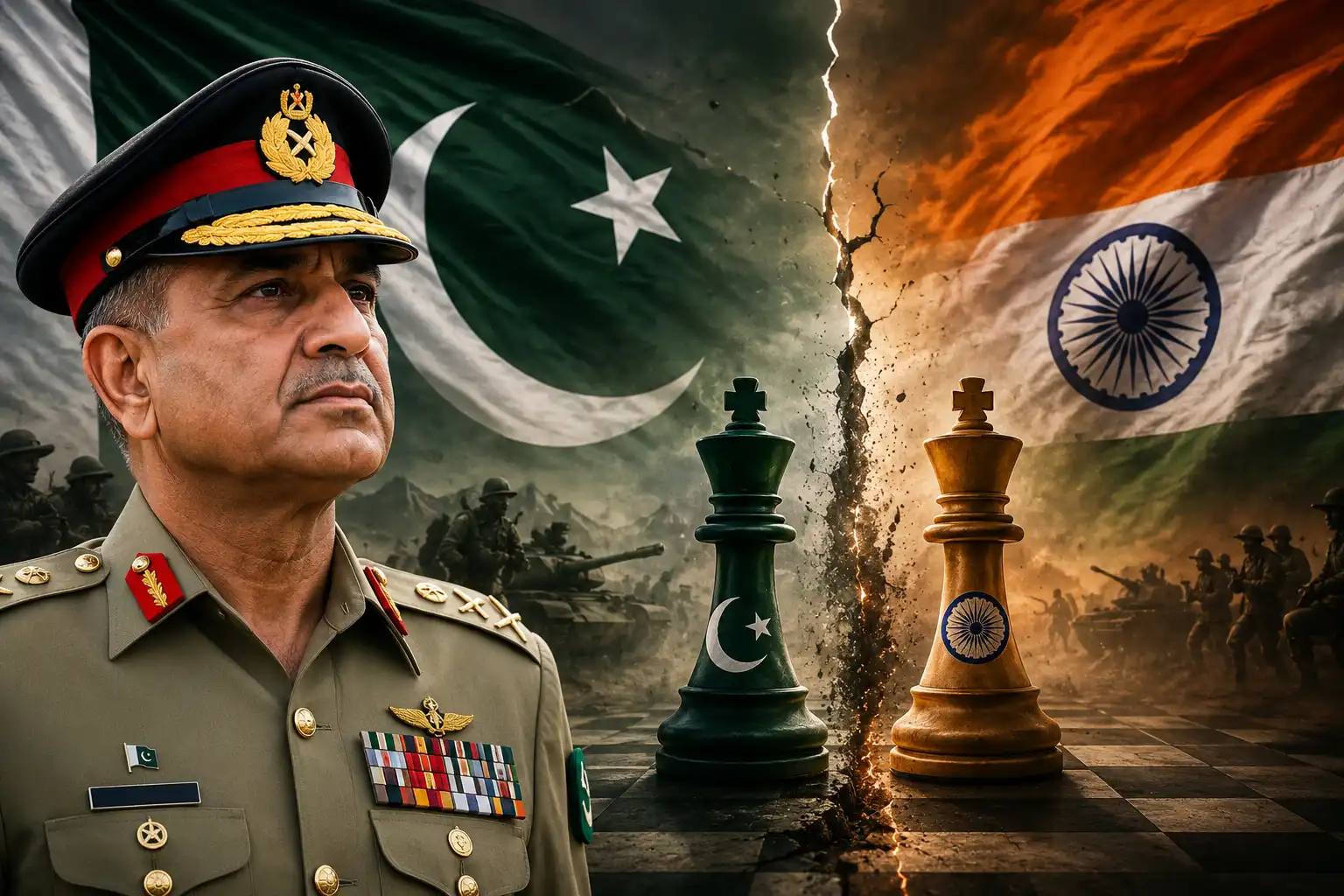
Pak Army Chief on India Conflict Describes It as a Battle of Ideologies
Pakistan’s army chief has described last year’s military confrontation with India as a “battle of two ideologies,” saying the conflict was not only fought through military tactics but also through political vision, national identity, and strategic thinking. The remarks have sparked renewed debate across South Asia about regional security, military preparedness, and the future of relations between the two neighboring nuclear powers.
The statement came during an address to senior military officers and national security officials, where the army chief praised Pakistan’s armed forces for what he called “strategic superiority” during the tense period of confrontation. According to him, Pakistan successfully defended its national interests through coordinated military planning, intelligence operations, and diplomatic engagement.
The comments quickly gained attention in both Pakistan and India, especially among political analysts and defense experts who continue to assess the long-term impact of the conflict on regional stability.
Pak Army Chief on India Conflict Highlights Military Preparedness
During the speech, the army chief emphasized that Pakistan’s military remained fully prepared throughout the conflict and responded effectively to every challenge. He stated that modern warfare is no longer limited to traditional battlefield engagements and now includes cyber operations, information campaigns, intelligence coordination, and diplomatic strategy.
He added that Pakistan armed forces demonstrated discipline and unity under pressure, which helped maintain operational effectiveness during a highly sensitive period. The military leadership also claimed that rapid decision-making and strategic planning played an important role in preventing escalation beyond a certain level.
Defense analysts believe the army chief’s remarks were intended to reinforce confidence within the country while also sending a message internationally that Pakistan remains capable of protecting its strategic interests.
Regional Tensions Between Pakistan and India Remain Sensitive
Relations between Pakistan and India have remained tense for decades due to political disputes, border tensions, and security concerns. Last year’s confrontation increased fears of a wider military escalation, especially after cross-border incidents and strong rhetoric from both sides.
Although direct military engagement was limited in duration, the situation attracted global attention because both countries possess nuclear capabilities. International observers closely monitored developments and urged restraint to avoid a larger crisis in the region.
Experts say the latest comments by Pakistan’s army chief could influence future diplomatic discussions between the two nations. While supporters view the statement as a reflection of military confidence, critics argue that such rhetoric may further complicate already fragile relations.
Pak Army Chief on India Conflict and Claims of Strategy Superiority
One of the key points in the speech was the claim that Pakistan achieved “strategy superiority” during the conflict. According to military officials, this superiority was demonstrated through intelligence coordination, defensive readiness, and effective communication strategies.
Security experts note that modern conflicts are often judged not only by battlefield outcomes but also by how countries manage public narratives, international diplomacy, and military deterrence. Pakistan’s military leadership believes its handling of the situation strengthened the country’s defensive image on the global stage.
The army chief also highlighted the importance of national unity during periods of external pressure. He said the combined efforts of the armed forces, government institutions, and citizens helped maintain stability throughout the confrontation.
International Response to the India-Pakistan Conflict
The international community has repeatedly encouraged both Pakistan and India to resolve disputes through dialogue and diplomacy. Several global powers and international organizations have expressed concern over rising tensions in South Asia, warning that instability between the two countries could affect regional peace and economic development.
Following last year’s conflict, diplomatic channels remained active behind the scenes, with many countries urging restraint from both sides. Analysts believe global pressure played an important role in preventing the situation from escalating further.
Military observers also point out that statements from senior officials are often carefully crafted to serve both domestic and international audiences. In this case, the army chief’s remarks may be aimed at reinforcing Pakistan’s strategic position while also highlighting the military’s role in national defense.
Political and Public Reaction in Pakistan
The speech has generated significant discussion in Pakistan’s political and media circles. Supporters of the military leadership praised the comments and viewed them as recognition of the armed forces’ preparedness and professionalism.
Meanwhile, some political commentators stressed the need for balanced diplomacy alongside military strength. They argued that long-term peace in South Asia depends on political dialogue, economic cooperation, and confidence-building measures between neighboring countries.
Public reaction on social media was also strong, with many users debating the meaning of the “battle of two ideologies” phrase used by the army chief. Some interpreted it as a broader ideological competition between the two countries, while others saw it mainly as a statement focused on strategic and military positioning.
Future Outlook for Pakistan-India Relations
Despite continuing tensions, experts believe both Pakistan and India understand the importance of avoiding large-scale military conflict. Economic pressures, regional security challenges, and international diplomatic concerns make stability an important priority for both sides.
The latest remarks by Pakistan’s army chief are likely to remain part of wider discussions about defense strategy, regional security, and future diplomatic engagement in South Asia. Analysts say the coming months will show whether both countries move toward renewed dialogue or continue with heightened political and military rhetoric.

