

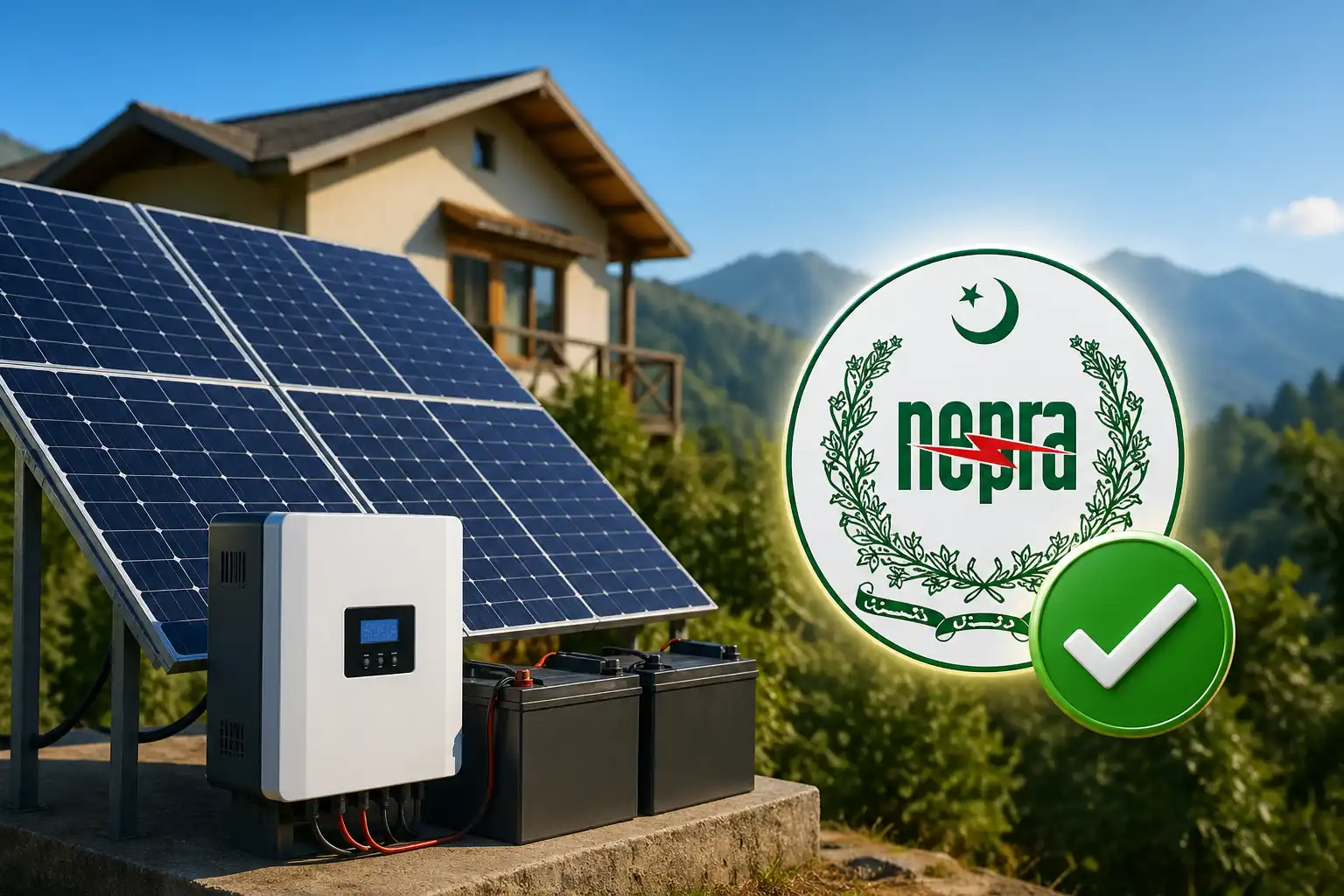
Off Grid Solar Users Do Not Need a License Says NEPRA
Pakistan’s energy sector is undergoing a significant transformation as renewable energy adoption continues to grow. A major development has emerged from the National Electric Power Regulatory Authority (NEPRA), which has clarified that individuals and businesses using off-grid solar systems do not require a license. This decision aims to simplify access to renewable energy solutions and encourage more people to adopt solar power without regulatory hurdles.
Off-Grid Solar Users Do Not Need a License – What It Means
The announcement that Off-Grid Solar Users Do Not Need a License is a crucial step in promoting clean energy. Off-grid systems are those that operate independently from the national electricity grid. These systems typically include solar panels, batteries, and inverters, allowing users to generate and store their own electricity.
By removing the licensing requirement, NEPRA has made it easier for homeowners, farmers, and small businesses to install and operate solar systems. This means fewer bureaucratic procedures, reduced costs, and faster implementation of solar projects. The decision is especially beneficial for rural and remote areas where grid connectivity is limited or unreliable.
Benefits of Off-Grid Solar Systems
Off-Grid Solar Users Do Not Need a License – Cost and Accessibility
One of the biggest advantages of this policy is the reduction in financial and administrative burdens. Licensing processes often involve fees, paperwork, and delays. Without these requirements, users can invest directly in solar technology, making it more affordable and accessible.
Off-grid solar systems also provide energy independence. Users are no longer dependent on fluctuating electricity prices or power outages. This reliability is particularly important in areas where load shedding is frequent.
Environmental Impact and Sustainability
Solar energy is a clean and renewable source of power. By encouraging off-grid installations, the government is supporting efforts to reduce carbon emissions and combat climate change. Each off-grid system contributes to a decrease in reliance on fossil fuels, leading to a healthier environment.
Additionally, solar systems require minimal maintenance and have a long lifespan, making them a sustainable investment for households and businesses alike.
Who Can Benefit from This Policy?
Off-Grid Solar Users Do Not Need a License – Rural and Urban Impact
The policy benefits a wide range of users. In rural areas, where electricity infrastructure is often lacking, off-grid solar systems can provide a reliable source of power for homes, schools, and healthcare facilities. Farmers can use solar energy to operate water pumps and irrigation systems, improving agricultural productivity.
In urban areas, individuals who prefer energy independence can also take advantage of this policy. Small businesses, shops, and offices can reduce their electricity bills by switching to solar power. The removal of licensing requirements ensures that even small-scale users can participate in the renewable energy transition.
Technical Considerations for Off-Grid Solar Systems
While the policy simplifies regulatory requirements, users must still ensure proper system design and installation. Choosing the right capacity, battery storage, and inverter is essential for efficient performance. Professional installation is recommended to avoid technical issues and ensure safety.
Users should also consider their energy consumption patterns to determine the appropriate system size. Overestimating or underestimating energy needs can affect system efficiency and cost-effectiveness.
FOLLOW LIVE UPDATES
Challenges and Future Outlook
Off-Grid Solar Users Do Not Need a License – Addressing Potential Issues
Despite the positive impact of this policy, there are still challenges to consider. The initial cost of solar systems can be high, which may discourage some users. However, financing options and government incentives can help overcome this barrier.
Another challenge is the lack of awareness about solar technology and its benefits. Educational campaigns and community outreach programs can play a key role in increasing adoption rates.
Looking ahead, the decision by NEPRA is expected to accelerate the growth of renewable energy in Pakistan. As more people adopt off-grid solar systems, the country can reduce its dependence on traditional energy sources and move towards a more sustainable future.
Final Insights
The clarification that off-grid solar users do not need a license marks a significant milestone in Pakistan’s energy landscape. It removes barriers, promotes clean energy, and empowers individuals to take control of their electricity needs. With continued support and awareness, off-grid solar solutions can become a cornerstone of the country’s energy strategy.

