

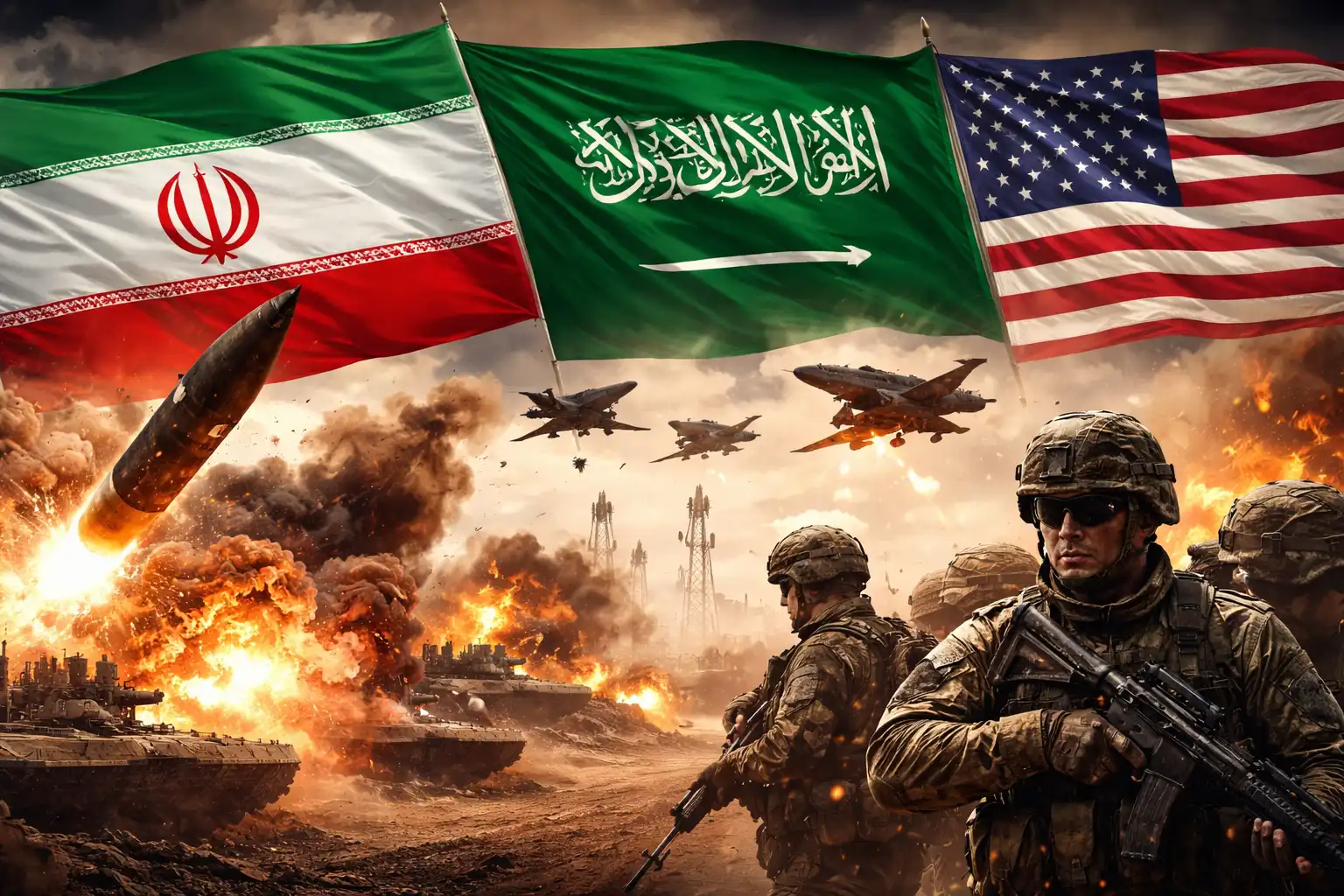
Iran Retaliatory Attacks Saudi Defense Pact and Foreign Policy
The evolving geopolitical dynamics of the Middle East and South Asia continue to influence Pakistan’s foreign policy choices. Iran’s retaliatory attacks in response to regional tensions and the strengthening of defense cooperation between Saudi Arabia and its allies have created a complex strategic environment. For Pakistan, maintaining a balanced foreign policy has long been a priority. However, analysts argue that only Pakistan’s economic situation can ultimately push the country toward clearly favoring one side. The interplay between Iran’s retaliatory attacks, the Saudi defense pact and Pakistan’s foreign policy reflects the challenges Islamabad faces in navigating regional alliances while protecting its national interests.
Iran’s Retaliatory Attacks and Regional Tensions
Iran’s retaliatory attacks have become a significant factor shaping the security landscape of the Middle East. Tehran often frames these actions as responses to perceived threats against its sovereignty or regional allies. These retaliatory measures send strong political and military signals to rival states and international actors.
For neighboring countries and regional partners, Iran retaliatory attacks raise concerns about stability and escalation. Military responses, even when targeted, can trigger diplomatic reactions and shift strategic calculations. Pakistan closely monitors these developments because instability in the Middle East can affect trade routes, energy supplies and the safety of Pakistani expatriates working in Gulf countries.
The Saudi Defense Pact and Strategic Alliances
The Saudi defense pact represents another crucial element influencing Pakistan’s foreign policy. Saudi Arabia has long been one of Pakistan’s key economic and strategic partners. Defense cooperation between the two countries has historically included military training, security collaboration and financial support during economic crises.
Millions of Pakistani workers live and work in Saudi Arabia and other Gulf states, sending billions of dollars in remittances back home each year. These economic ties strengthen the strategic partnership and make the Saudi defense pact an issue that Islamabad cannot easily ignore. While Pakistan values its relations with Iran, the depth of its economic and strategic connections with Saudi Arabia often carries greater immediate influence.
Pakistan’s Foreign Policy Balancing Act
Pakistan’s foreign policy has traditionally been based on maintaining balanced relations with multiple regional powers. Islamabad has attempted to avoid taking sides in conflicts between Muslim-majority countries, especially between Iran and Saudi Arabia. Diplomatic neutrality allows Pakistan to engage with both sides while promoting regional stability.
However, balancing relationships is increasingly difficult as regional rivalries intensify. Iran’s retaliatory attacks and the expansion of the Saudi defense pact place Pakistan in a delicate position. Islamabad must consider security cooperation, economic partnerships and domestic political implications when shaping its diplomatic responses.
Why Pakistan’s Economy Could Determine Its Direction
Many analysts believe that Pakistan’s economy could ultimately determine the direction of its foreign policy. Economic challenges such as debt obligations, inflation and the need for external financial assistance create dependencies on international partners. In such circumstances, countries that provide financial aid, investments or energy support gain greater influence over policy decisions.
Saudi Arabia has repeatedly provided economic assistance to Pakistan, including loans, deferred oil payments and investment commitments. These forms of support can become crucial during times of financial stress. As a result, Pakistan may find itself leaning toward partners that help stabilize its economy.
Conclusion
The interaction between Iran’s retaliatory attacks, the Saudi defense pact and Pakistan’s foreign policy highlights the complexity of regional geopolitics. Pakistan seeks to maintain balanced relations with both Tehran and Riyadh while promoting stability and cooperation. However, economic pressures often play a decisive role in shaping foreign policy priorities. Ultimately, while diplomatic neutrality remains Pakistan’s preferred approach, the strength or weakness of its economy may determine how firmly it leans toward one side in times of regional tension.

