

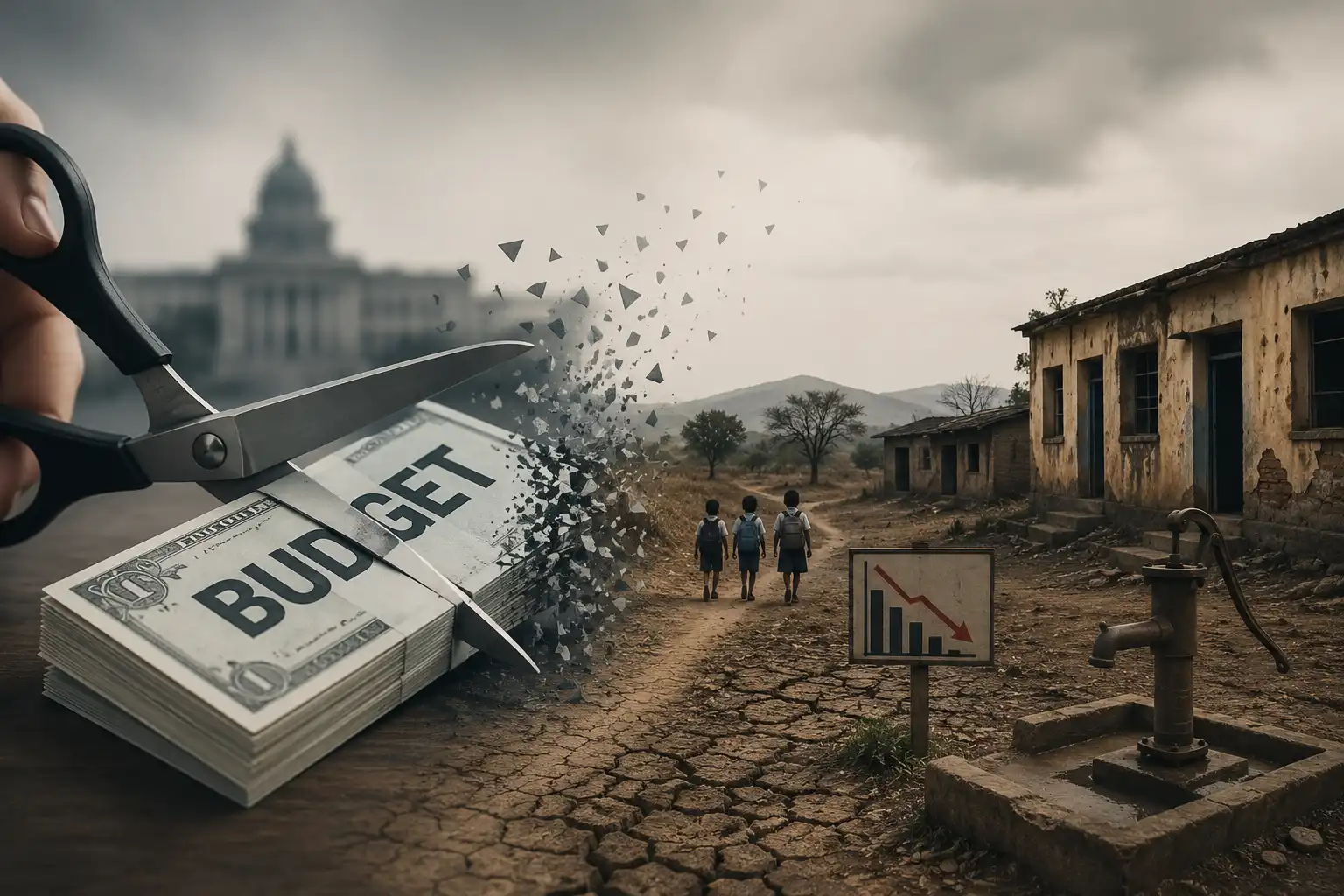
Major Reduction in Funds for Underdeveloped Districts Draws Criticism Over Proposed Budget
The proposed budget has sparked widespread debate after reports revealed a significant reduction in development funds allocated to underdeveloped districts. Critics argue that the decision could deepen regional inequalities, slow economic growth, and hinder efforts to improve living standards in some of the country’s most disadvantaged areas. Political leaders, development experts, and local representatives have expressed concerns that the budget does not adequately address the needs of communities already struggling with poor infrastructure, limited healthcare facilities, and inadequate educational opportunities.
Funds Cut for Underdeveloped Districts Raises Serious Concerns
One of the most controversial aspects of the proposed budget is the reduction in financial allocations for underdeveloped districts. These regions have historically relied on government support to fund essential projects such as road construction, water supply systems, schools, and healthcare centers.
According to budget analysts, the decrease in funding could delay several ongoing development initiatives. Local governments may face difficulties in completing infrastructure projects that are critical for economic activity and public welfare. Many observers believe that reducing investment in disadvantaged regions could widen the development gap between urban and rural areas.
Impact of Funds Cut for Underdeveloped Districts on Local Communities
The effects of reduced funding are expected to be felt most strongly by residents living in remote and economically challenged districts. These communities often depend on government-funded programs to improve access to basic services and create employment opportunities.
With fewer resources available, local authorities may be forced to postpone or cancel projects aimed at improving roads, schools, and hospitals. This could negatively affect the quality of life for thousands of people, particularly those who already face significant social and economic challenges.
Experts warn that insufficient investment may also discourage private sector involvement in these areas. Businesses are generally more willing to invest in regions with reliable infrastructure and public services. A slowdown in development projects could therefore reduce future economic opportunities and job creation.
Opposition Criticizes Funds Cut for Underdeveloped Districts
Opposition parties have strongly criticized the proposed budget, arguing that it overlooks the needs of vulnerable populations. Several lawmakers have called on the government to reconsider its spending priorities and restore funding levels for underdeveloped districts.
Political leaders contend that balanced regional development is essential for national progress. They argue that allocating fewer resources to disadvantaged areas may increase economic disparities and create long-term social challenges. Some opposition representatives have described the funding reduction as a setback for efforts to promote inclusive growth and equal opportunities across the country.
Public statements from regional leaders have echoed these concerns, emphasizing that many districts still require substantial investment to overcome decades of underdevelopment.
Economic Implications of Funds Cut for Underdeveloped Districts
Economists suggest that development spending plays a crucial role in stimulating economic activity, particularly in regions with limited industrial and commercial growth. Government-funded projects often generate employment, support local businesses, and improve connectivity between markets.
A reduction in development funds may slow economic progress in underdeveloped districts by limiting infrastructure improvements and reducing public investment. Analysts note that infrastructure projects create both short-term and long-term benefits, including construction jobs, improved transportation networks, and increased business opportunities.
Some experts also warn that lower development spending could affect efforts to reduce poverty and improve social indicators. Investments in education, healthcare, and public services are often viewed as essential components of sustainable economic growth.
Government Defends Proposed Budget Allocations
Government officials have defended the proposed budget, stating that fiscal constraints and competing national priorities influenced spending decisions. They argue that available resources must be distributed across various sectors, including defense, healthcare, education, and debt management.
Officials maintain that development efforts in underdeveloped districts will continue despite the reduction in funding. They have indicated that alternative financing mechanisms and targeted development programs may help address some of the challenges faced by disadvantaged regions.
Supporters of the budget argue that difficult economic conditions require careful financial management and that spending decisions were made to ensure overall fiscal stability. However, critics remain skeptical and continue to demand greater transparency regarding allocation criteria.
Public Response to Funds Cut for Underdeveloped Districts
The proposed reduction has generated concern among civil society organizations, development advocates, and local communities. Many stakeholders believe that sustained investment is necessary to address longstanding issues such as poverty, unemployment, and inadequate public services.
Community leaders have urged policymakers to prioritize regional development and ensure that marginalized populations are not left behind. Social activists argue that development funding should be viewed as an investment in national prosperity rather than an expenditure that can be easily reduced.
Several advocacy groups have called for parliamentary discussions and public consultations to review the proposed allocations and assess their potential impact on affected districts.
READ MORE: Electricity Consumers May Face Additional Burden as Rs1.72 Per Unit Increase Proposed
Future Challenges and Policy Considerations
The debate surrounding the proposed budget highlights the broader challenge of balancing fiscal responsibility with development needs. Policymakers face the difficult task of managing limited resources while addressing demands from various sectors and regions.
As discussions continue, attention is likely to remain focused on whether funding levels can be adjusted to support underdeveloped districts more effectively. The outcome of these debates may play an important role in shaping regional development policies and determining how government resources are distributed in the years ahead.

