

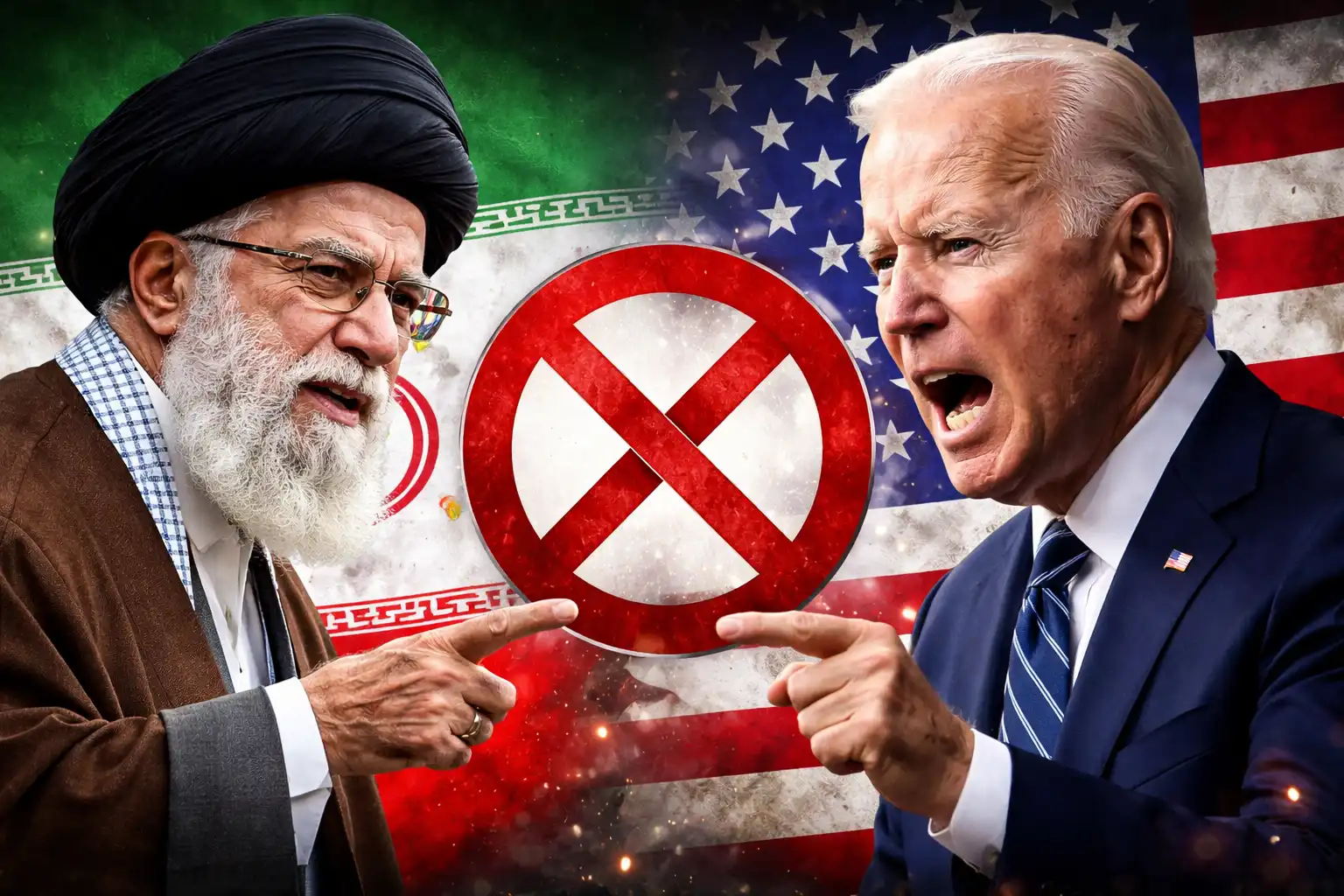
Iran Refuses Negotiations with the United States
Iran has clearly rejected the possibility of entering negotiations with the United States, signaling a strong and uncompromising diplomatic stance. Officials in Tehran emphasized that under the current circumstances, talks with Washington are neither beneficial nor aligned with Iran’s national interests. This decision comes amid heightened tensions in the region and growing concerns over security and sovereignty.
The leadership reiterated that past experiences with negotiations have not yielded the desired outcomes, particularly in terms of lifting sanctions and ensuring long-term stability. Iranian authorities believe that trust between the two countries remains fragile, making any new dialogue difficult to pursue effectively. As a result, Iran has chosen to focus on strengthening its internal policies and regional alliances rather than reopening diplomatic channels.
Iran Refuses Negotiations with the United States Amid Rising Tensions
The refusal to engage in talks is closely linked to recent developments that have escalated tensions. Iran has accused opposing parties of violating agreements and acting in bad faith, particularly regarding ceasefire arrangements. Officials have stressed that such actions undermine any possibility of constructive dialogue and only deepen mistrust.
This firm stance reflects a broader strategy aimed at asserting independence in foreign policy decisions. Iran has consistently maintained that it will not succumb to external pressure or coercion. Instead, it seeks to engage with countries that respect its sovereignty and are willing to cooperate on equal terms.
Ceasefire Violation Prompts Strong Response
Iran’s reaction to the alleged ceasefire violation has been particularly strong. Government representatives condemned the breach, calling it unacceptable and a threat to regional peace. They warned that continued violations could lead to serious consequences, including a reassessment of Iran’s strategic approach.
Military and political leaders have both echoed this sentiment, highlighting the importance of maintaining stability while also preparing to respond if necessary. The emphasis remains on deterrence and ensuring that Iran’s position is clearly understood by all parties involved.
Iran Refuses Negotiations with the United States While Defending Sovereignty
Another key factor behind Iran’s decision is its emphasis on protecting national sovereignty. Officials have made it clear that any negotiations must be based on mutual respect and fairness. Without these conditions, Iran sees little value in engaging with the United States.
This perspective is deeply rooted in the country’s political philosophy, which prioritizes independence and resistance to foreign influence. By refusing negotiations under current conditions, Iran aims to send a message that it will not compromise on its core principles.
Regional Implications of Iran’s Firm Stance
Iran’s position is likely to have significant implications for the broader region. Neighboring countries are closely monitoring the situation, as any escalation could impact security and economic stability. Analysts suggest that Iran’s refusal to negotiate may lead to increased polarization, with alliances becoming more defined.
At the same time, some observers believe that this firm stance could eventually push all parties toward a more balanced approach. By clearly outlining its conditions, Iran may be attempting to reshape the terms of future engagement rather than rejecting diplomacy altogether.
Diplomatic Strategy Moving Forward
Despite its refusal to negotiate with the United States, Iran continues to engage in diplomatic efforts with other nations. The country is actively seeking partnerships that align with its strategic goals and offer mutual benefits. This approach allows Iran to maintain its presence on the global stage while avoiding direct confrontation with Washington.
Officials have indicated that diplomacy remains an important tool, but it must be conducted on terms that ensure fairness and respect. This selective engagement reflects a calculated strategy aimed at maximizing national interests while minimizing risks.
What Comes Next Instead of a Conclusion
The situation remains fluid, with developments unfolding rapidly. Iran’s firm stance has set the tone for future interactions, not only with the United States but also with other global players. As tensions persist, the focus will likely shift toward how different stakeholders respond to Iran’s position.
Observers will be watching closely to see whether this approach leads to further escalation or opens the door for new forms of engagement under revised conditions. The coming weeks and months will play a crucial role in determining the direction of regional dynamics and international relations.

