

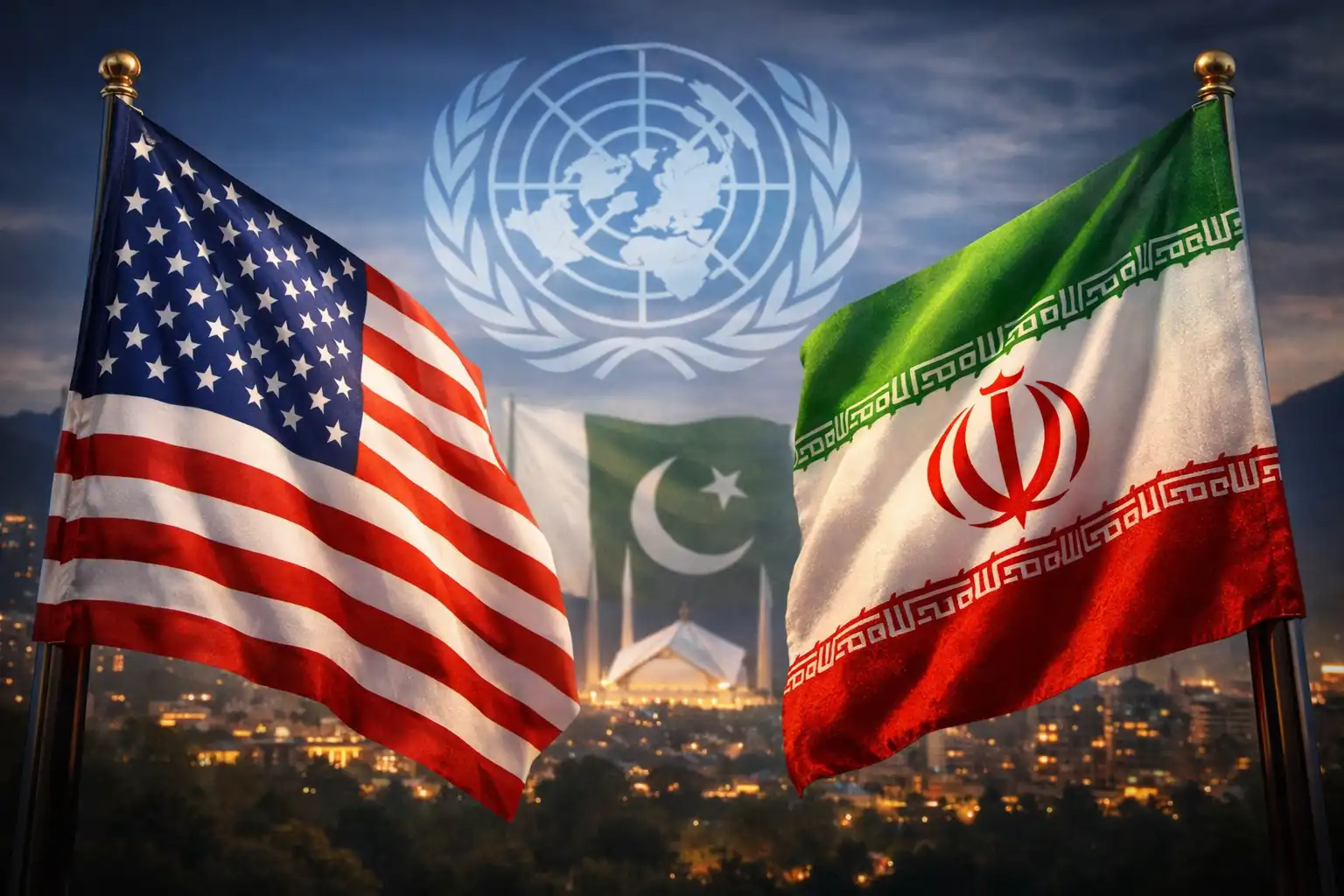
United Nations Welcomes US Iran Talks in Pakistan
The recent announcement that the United Nations has welcomed the possibility of talks between the United States and Iran in Pakistan marks an important step toward easing regional tensions. The development has drawn attention from global observers, as it signals a potential shift toward dialogue and peaceful negotiation in a region often marked by geopolitical rivalries. Pakistan’s role as a host country highlights its growing importance in international diplomacy.
United Nations Welcomes US-Iran Talks in Pakistan
The United Nations has expressed strong support for diplomatic efforts aimed at reducing tensions between the United States and Iran. By welcoming the idea of talks in Pakistan, the organization has emphasized the importance of dialogue over conflict. The UN believes that open communication channels can help both nations address long-standing disputes and move toward mutual understanding.
The global body has consistently encouraged peaceful negotiations in international conflicts. In this case, it views Pakistan as a suitable platform for facilitating such discussions due to its strategic location and its relationships with both countries. The support from the United Nations adds credibility and urgency to the proposed talks.
Pakistan’s Role as a Diplomatic Bridge
Pakistan’s involvement as a host for these discussions is being seen as a significant diplomatic achievement. The country has historically maintained balanced relations with both the United States and Iran, allowing it to serve as a neutral ground for dialogue. Hosting these talks enhances Pakistan’s image as a responsible and constructive player in global politics.
Moreover, Pakistan has previously played roles in mediating regional issues, and this opportunity further strengthens its position as a bridge between conflicting parties. By providing a platform for communication, Pakistan contributes to global peace efforts and demonstrates its commitment to stability in the region.
Importance of Dialogue Between the United States and Iran
The relationship between the United States and Iran has been tense for decades, marked by political disagreements, economic sanctions, and occasional confrontations. Any move toward dialogue is therefore considered a positive development. Talks between the two countries could lead to progress on critical issues such as nuclear policy, regional security, and economic cooperation.
Diplomatic engagement offers a path to reduce misunderstandings and prevent escalation. It also provides an opportunity for both sides to present their concerns directly and explore areas of compromise. The United Nations’ support reflects a broader international desire to see these tensions resolved peacefully.
Regional and Global Implications
United Nations welcomes US-Iran talks in Pakistan not only as a bilateral matter but also as a development with far-reaching implications. Improved relations between the United States and Iran could contribute to greater stability in the Middle East and South Asia. It may also have positive effects on global energy markets and international security.
For neighboring countries, reduced tensions could mean fewer risks of conflict and more opportunities for economic collaboration. On a global scale, successful talks could set an example for resolving other disputes through diplomacy rather than confrontation.
Challenges Ahead for the Negotiations
While the initiative is promising, several challenges remain. Deep-rooted mistrust between the United States and Iran cannot be resolved overnight. Both sides will need to show flexibility and willingness to compromise. Additionally, external factors such as domestic political pressures and regional alliances could influence the outcome of the talks.
Pakistan, as the host, will also need to ensure a neutral and secure environment for the discussions. Maintaining transparency and building trust among all parties will be essential for the success of the مذاکرات.
A Step Toward Constructive Engagement
United Nations welcomes US-Iran talks in Pakistan as a step toward constructive engagement in international relations. The move underscores the importance of diplomacy in addressing complex global issues. By supporting these talks, the UN reinforces its commitment to peace and stability.
The initiative reflects a growing recognition that dialogue is the most effective way to resolve conflicts. With Pakistan providing the platform and the United Nations offering its endorsement, the stage is set for meaningful discussions that could shape the future of regional and global politics.
Future Outlook and Diplomatic Momentum
As preparations for the talks move forward, there is cautious optimism among international observers. The involvement of the United Nations and the choice of Pakistan as the venue create a favorable environment for progress. Continued diplomatic momentum will be crucial in ensuring that the discussions lead to tangible outcomes.
The success of these talks could open doors to further cooperation and set a precedent for resolving other international disputes. It highlights the power of dialogue and the role of neutral platforms in fostering understanding between nations.

