

Trump Says War Will Be Over Quickly as Iran
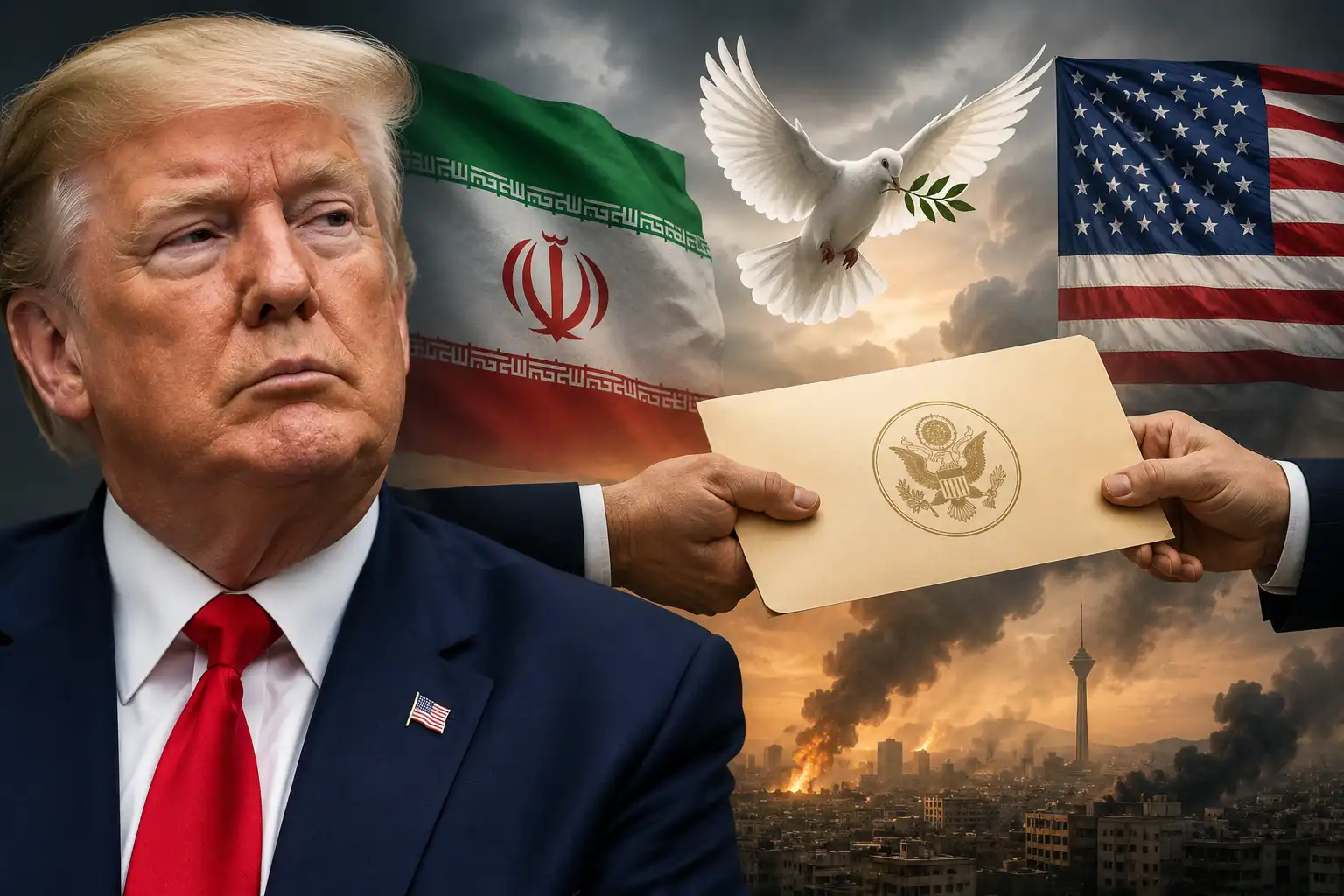
United States President Donald Trump has claimed that the ongoing conflict involving Iran could end soon as Tehran reviews a new peace proposal presented by Washington. The latest diplomatic developments have raised hopes of easing tensions in the Middle East after weeks of military escalation, economic uncertainty, and rising concerns over global energy supplies.
Trump Says War Will Be ‘Over Quickly’ During White House Remarks
Speaking to reporters at the White House, Trump stated that discussions with Iran had been “very good” over the previous 24 hours and suggested that a deal may be reached soon. He said the conflict could be “over quickly” if both sides agree on key conditions.
The US president also repeated Washington’s long-standing demand that Iran must never obtain nuclear weapons. Trump warned that military action could intensify if negotiations collapse, but he remained optimistic that diplomacy would prevail.
The comments came as global attention focused on possible negotiations aimed at ending hostilities and reopening the Strait of Hormuz, one of the world’s most important oil shipping routes.
Iran Reviews US Peace Proposal Amid Growing Pressure
Iranian officials confirmed that Tehran is currently examining the latest US peace proposal. However, several leaders in Iran appeared cautious about reports suggesting that an agreement was close.
A spokesperson for Iran’s Foreign Ministry stated that discussions over the exchanged documents were still ongoing. Iranian lawmakers also criticized the American proposal, calling parts of it unrealistic and heavily tilted toward US interests.
According to reports, the proposal may include a temporary halt to uranium enrichment, partial sanctions relief, and steps toward reopening the Strait of Hormuz. Negotiators are reportedly discussing a memorandum containing multiple points that could serve as the foundation for broader future talks.
Trump Says War Will Be ‘Over Quickly’ as Talks Continue
The latest diplomatic push reportedly involves mediation efforts by Pakistan and other regional actors. Sources familiar with the talks indicated that both Washington and Tehran are attempting to avoid a wider regional conflict that could damage global trade and energy markets.
While Trump projected confidence about the negotiations, Iran continued to defend what it called its “red lines,” particularly regarding its nuclear program and control over maritime routes in the Gulf region. Iranian officials insisted that their enrichment activities are peaceful and non-negotiable.
At the same time, the US military maintained pressure in the region, including naval operations connected to the blockade around Iranian shipping routes. Reports also mentioned incidents involving tankers and missile interceptions in Gulf waters.
Global Markets React to Iran Peace Proposal
Financial markets reacted strongly to reports that Washington and Tehran may be moving closer to a diplomatic breakthrough. Oil prices dropped sharply as investors anticipated reduced tensions and the possible reopening of important trade routes in the Gulf.
Analysts noted that fears of prolonged disruption in the Strait of Hormuz had previously pushed oil prices higher, increasing fuel and transportation costs worldwide. News of possible negotiations eased some of those concerns and improved investor confidence in international markets.
Stock markets also responded positively as traders hoped a peace agreement could prevent a broader conflict involving multiple regional powers.
Key Challenges Still Remain Between the US and Iran
Despite the optimistic statements from Trump, major disagreements continue to divide both sides. One of the biggest issues remains Iran’s uranium enrichment program and the handling of its enriched uranium stockpile.
US officials reportedly want Iran to significantly limit or suspend enrichment activities for an extended period. Iran, meanwhile, insists that its nuclear program is for civilian purposes and rejects demands that would permanently restrict its capabilities.
Another major issue involves the Strait of Hormuz. Iran has continued to assert influence over the strategic waterway, while the United States and its allies insist that international shipping must remain unrestricted.
Political divisions inside both countries could also complicate the negotiations, with critics questioning whether either government is prepared to make the compromises needed for a lasting agreement.
Diplomatic Momentum Builds Around Iran Peace Talks
Even with ongoing disagreements, the latest discussions represent one of the most serious diplomatic efforts since the conflict began earlier this year. Officials involved in mediation believe that a temporary framework agreement could create space for broader negotiations covering sanctions, regional security, and nuclear restrictions.
Trump has continued to portray the talks as a sign that American pressure is working, while Iranian leaders maintain that they will not negotiate from a position of weakness. The coming days are expected to be critical as both sides decide whether the proposed framework can move forward into a formal agreement.

