

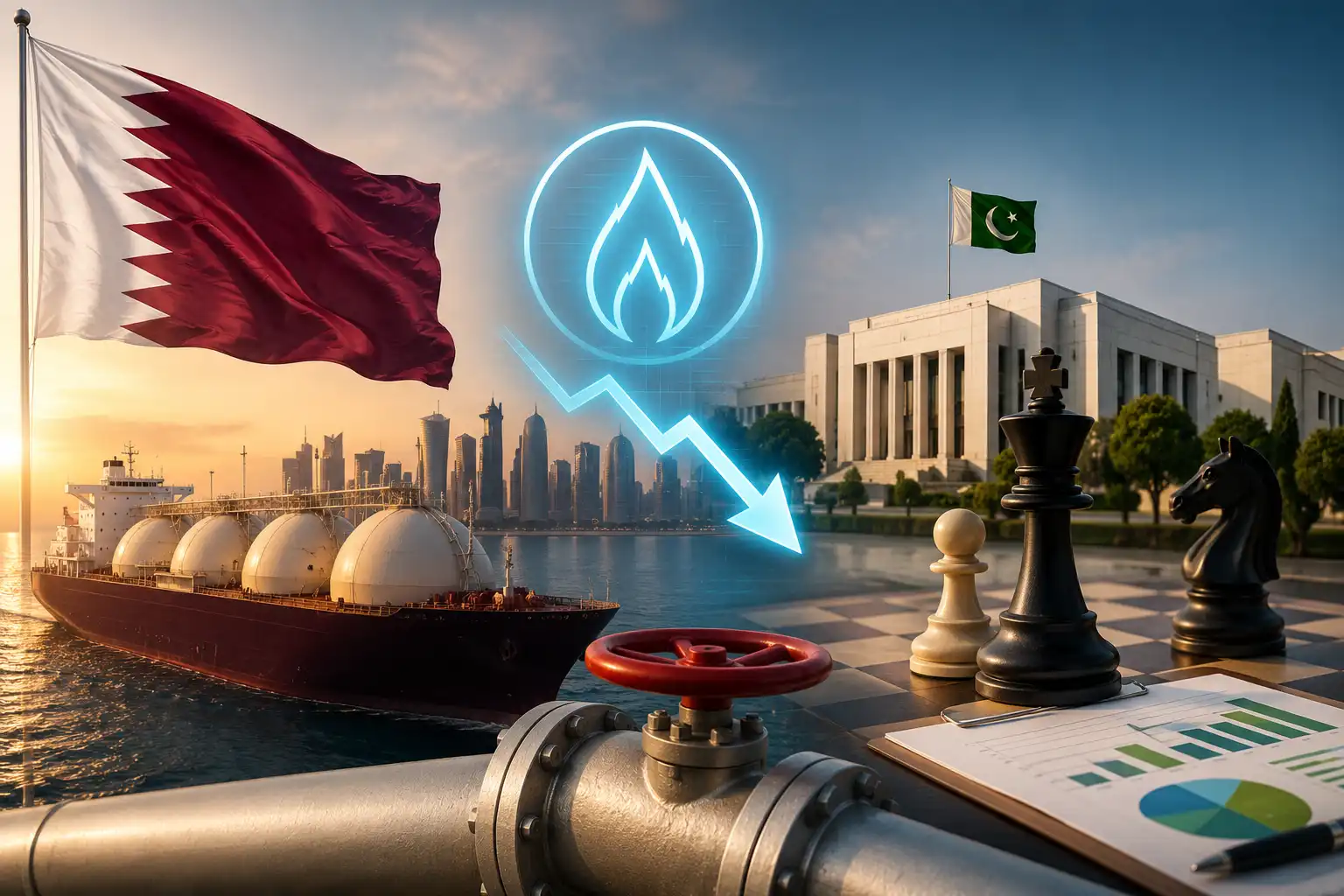
Possibility of Cheaper Gas from Qatar Changes Government Strategy
The possibility of obtaining natural gas from Qatar at lower prices has started to reshape the government’s economic and energy policies. Rising fuel costs, increasing pressure on foreign exchange reserves, and public demand for affordable electricity and gas have pushed policymakers to reconsider long-term energy agreements. Officials now believe that securing cheaper gas imports from Qatar could reduce the country’s financial burden and stabilize the domestic energy market.
For several years, the country has faced difficulties due to expensive imported fuel and declining local gas production. Energy shortages and high utility bills have created challenges for industries, businesses, and ordinary consumers. However, recent discussions regarding lower-priced liquefied natural gas (LNG) from Qatar have opened new possibilities for economic relief.
Cheaper Gas from Qatar May Reduce Energy Costs
The availability of cheaper gas from Qatar could significantly lower electricity generation expenses. Many power plants rely on imported LNG, and reduced fuel prices would help energy producers decrease operational costs. As a result, consumers may experience some relief in electricity and gas bills in the coming months.
Industries are also expected to benefit from reduced energy prices. Manufacturing sectors, particularly textile and export-based businesses, have struggled because of rising fuel expenses. Lower gas costs could improve industrial productivity and help businesses compete more effectively in international markets.
Government officials are reportedly examining various import options and contract structures to maximize financial benefits. Analysts believe that better pricing terms from Qatar may help reduce the country’s overall import bill and ease pressure on the national economy.
Economic Impact of Cheaper Gas from Qatar
The economic impact of cheaper gas from Qatar could extend beyond the energy sector. Lower import costs may strengthen the national currency by reducing the need for excessive foreign exchange spending on fuel imports. Economic experts argue that a decrease in energy-related expenses could help control inflation and support broader economic stability.
Transportation and industrial production costs often rise when fuel prices increase. Therefore, affordable LNG imports may positively affect multiple sectors of the economy. Small businesses and factories that rely heavily on gas-powered operations are likely to see improved financial conditions if fuel prices decline.
Additionally, policymakers may gain more flexibility in preparing future budgets. Large energy subsidies have created financial pressure on government resources for years. If cheaper gas becomes available, authorities may be able to redirect funds toward infrastructure, health, education, and development projects.
Qatar Remains a Key Energy Partner
Qatar has remained one of the world’s leading LNG exporters and a reliable energy supplier for many countries. Strong diplomatic and economic ties between the two nations have supported continued cooperation in the energy sector. The latest developments indicate that both sides are interested in expanding long-term partnerships through more favorable pricing arrangements.
Energy experts say Qatar’s growing LNG production capacity gives it a strong position in global energy markets. Increased supply availability may create opportunities for importing countries to negotiate improved agreements. This situation appears to have encouraged the government to revise its previous energy planning strategies.
Officials are reportedly focusing on balancing long-term contracts with spot market purchases to ensure energy security while maintaining affordable pricing. This approach may help avoid sudden fuel shortages and protect the country from international price fluctuations.
Energy Security and Future Planning
The possibility of cheaper gas imports has also influenced future energy planning discussions. Authorities are now considering broader reforms aimed at improving energy efficiency and reducing dependence on costly fuel sources. Long-term planning includes upgrading energy infrastructure, improving storage facilities, and modernizing distribution systems.
Experts believe affordable LNG could provide temporary economic relief while renewable energy projects continue to develop. Solar and wind energy initiatives are expanding, but natural gas is expected to remain an essential part of the energy mix for many years.
The government is also under pressure to ensure that any financial benefits from lower gas prices directly reach consumers. Public expectations remain high due to increasing living costs and inflation. Transparent pricing policies and efficient distribution systems will play an important role in maintaining public trust.
Political and Public Reactions
Political leaders and economic analysts have responded positively to reports regarding cheaper gas from Qatar. Many believe the development could help strengthen economic recovery efforts and reduce pressure on ordinary citizens. Business communities have also welcomed the possibility of reduced industrial energy costs.
However, some experts caution that global energy markets remain unpredictable. International conflicts, shipping disruptions, and changing demand levels could still affect LNG prices. For this reason, policymakers are expected to continue diversifying energy sources while strengthening strategic partnerships.
Public discussions surrounding energy reforms have intensified as citizens hope for lower utility expenses and improved economic conditions. Many people believe that successful negotiations with Qatar could become an important turning point for the country’s energy sector.
What Comes Next for the Government’s Energy Policy
The government is now expected to accelerate negotiations and finalize practical frameworks for future LNG imports. Energy officials continue to evaluate pricing structures, supply commitments, and infrastructure readiness to ensure long-term sustainability.
If successful, the strategy built around cheaper gas from Qatar may help stabilize the economy, improve industrial growth, and provide much-needed relief to consumers facing rising living expenses. The coming months will likely determine how effectively these opportunities are converted into long-term economic and energy benefits.

