

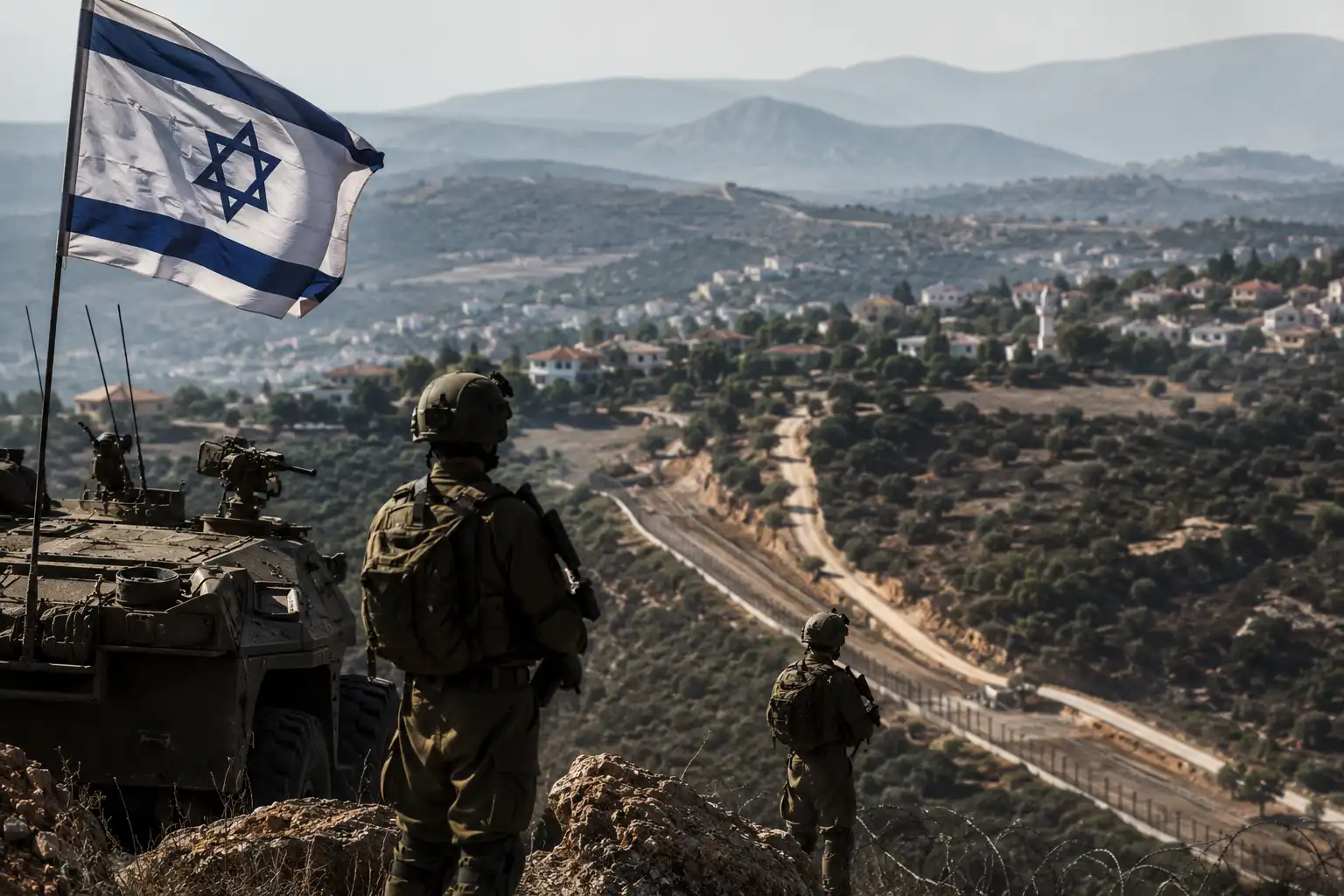
Israeli Prime Minister Says Troops Will Not Withdraw from Southern Lebanon Security Buffer Zone
Israel’s Prime Minister has stated that the Israeli military will not withdraw from the security buffer zone established in southern Lebanon, emphasizing that the move is essential for Israel’s national security. The announcement comes amid ongoing regional tensions and concerns over cross-border attacks, particularly involving the Lebanese armed group Hezbollah.
The statement signals Israel’s determination to maintain a military presence in strategically important areas near its northern border, despite international calls for de-escalation and diplomatic efforts aimed at stabilizing the region.
Israeli Security Buffer Zone in Southern Lebanon Remains a Strategic Priority
According to Israeli officials, the security buffer zone in southern Lebanon serves as a defensive measure designed to prevent militant groups from launching attacks against Israeli communities located near the border. The Israeli government argues that maintaining control over this area is necessary to protect civilians and ensure long-term security.
Prime Minister Benjamin Netanyahu stated that Israeli forces would remain in the buffer zone until security conditions improve significantly. He emphasized that any withdrawal would depend on guarantees that hostile groups would not be able to use the area to threaten Israel.
The Israeli leadership believes that the buffer zone plays a critical role in limiting the operational capabilities of Hezbollah and reducing the risk of future conflicts.
Why the Israeli Security Buffer Zone in Southern Lebanon Matters
The security situation along the Israel-Lebanon border has remained fragile for years. Since the escalation of regional tensions, exchanges of fire between Israeli forces and Hezbollah fighters have become more frequent, raising concerns about a broader conflict.
Israeli military officials argue that the buffer zone provides an additional layer of protection by creating physical distance between Israeli border communities and armed groups operating in southern Lebanon. They believe that withdrawing troops prematurely could create a security vacuum that militant organizations might exploit.
Supporters of the policy claim that maintaining the zone helps deter attacks and strengthens Israel’s defensive posture at a time of heightened regional instability.
Regional Reactions to the Israeli Security Buffer Zone in Southern Lebanon
The decision has drawn mixed reactions from regional and international actors. Lebanese authorities have repeatedly called for the withdrawal of Israeli forces from any Lebanese territory, describing the military presence as a violation of national sovereignty.
Hezbollah has also criticized the move, arguing that Israeli troops should leave the area immediately. The group has warned that continued military deployment could increase tensions and lead to further confrontations along the border.
Several international organizations and foreign governments have urged restraint from all sides. Diplomatic efforts continue to focus on preventing escalation and encouraging solutions that could reduce the risk of conflict between Israel and Lebanon.
Security Concerns Driving Israeli Military Policy
Israeli officials point to ongoing threats from Hezbollah as a key reason behind their decision. Hezbollah possesses a significant arsenal of rockets and missiles and has long been viewed by Israel as one of its most serious security challenges.
Military analysts note that the border region’s geography makes it particularly sensitive from a strategic perspective. Elevated terrain and proximity to Israeli towns increase concerns about infiltration attempts, rocket launches, and other forms of cross-border attacks.
Israeli defense authorities maintain that a continued presence in the buffer zone allows the military to respond quickly to potential threats and monitor activities in nearby areas.
International Diplomatic Efforts and Future Negotiations
Diplomatic initiatives involving regional and global powers continue to seek a reduction in hostilities. International mediators have encouraged both Israel and Lebanon to engage in dialogue aimed at strengthening border security and preventing accidental escalation.
However, progress has been limited due to deep political disagreements and ongoing security concerns. While some observers believe negotiations could eventually lead to new arrangements for border monitoring, others argue that lasting solutions will require broader regional stability.
The future of the security buffer zone is likely to remain a central topic in diplomatic discussions, particularly as international stakeholders seek ways to reduce tensions between the two neighboring countries.
Military Presence and Border Security Operations
Israeli military commanders have indicated that operations in and around the buffer zone will continue as long as security threats persist. Surveillance activities, defensive deployments, and intelligence gathering remain important components of Israel’s border security strategy.
Officials insist that the objective is not territorial expansion but the protection of Israeli citizens living near the northern frontier. The government has repeatedly stated that any future decisions regarding troop deployments will be based on security assessments and developments on the ground.
As tensions continue to shape the security environment in the region, the Israeli Security Buffer Zone in Southern Lebanon remains a key element of Israel’s defense policy and a significant issue in regional politics.

