

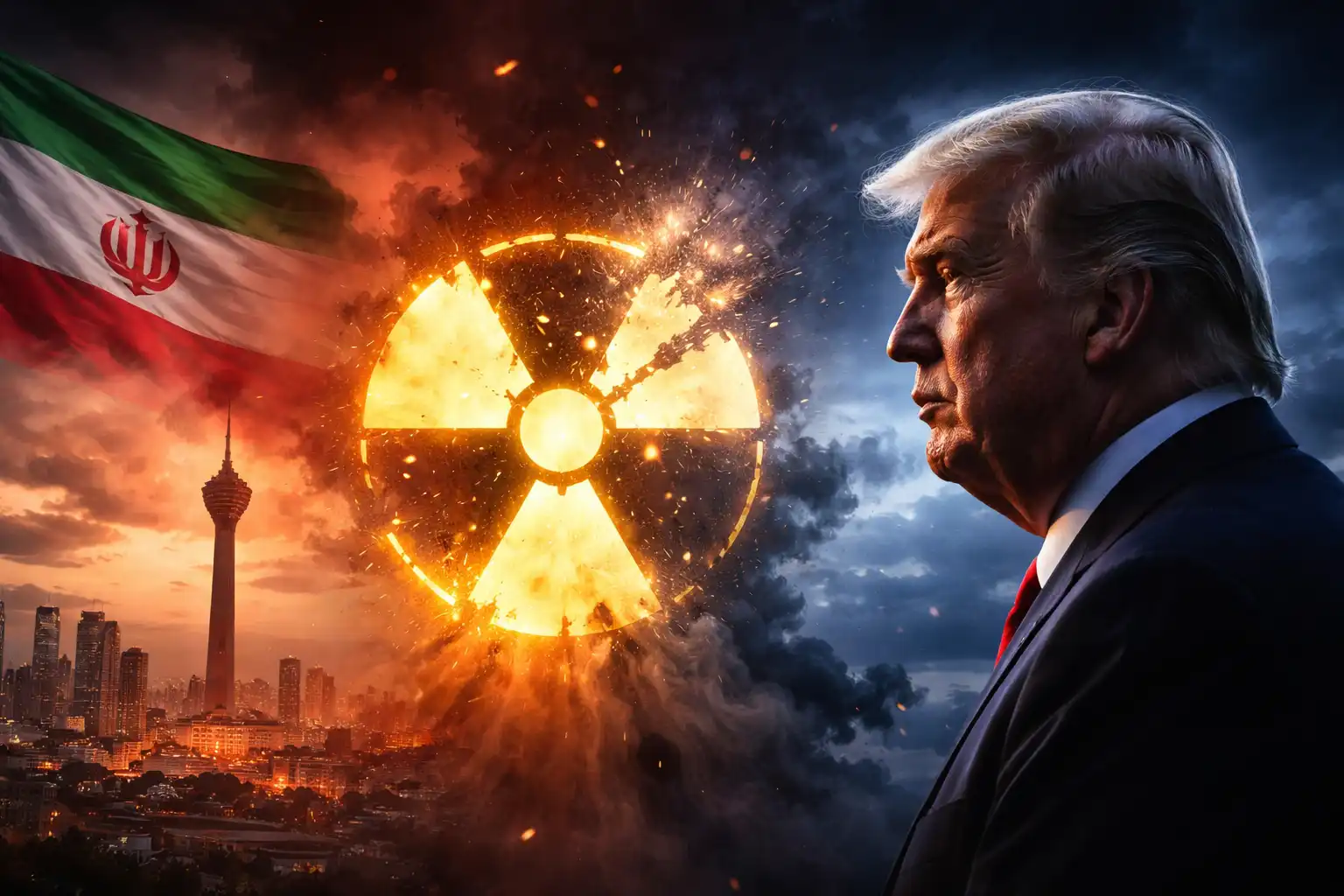
Iran Nearing Deal Agrees Not to Build Nuclear Weapons Donald Trump Claims
Recent political statements have sparked renewed global attention on Iran’s nuclear ambitions. Former U.S. President Donald Trump has claimed that Iran is close to reaching an agreement in which it would commit to not developing nuclear weapons. This assertion has stirred debate among policymakers, analysts, and international observers who closely follow nuclear negotiations and Middle Eastern geopolitics. The claim, while significant, raises questions about its credibility, timing, and implications for regional stability.
Iran Close to Deal Agrees Not to Build Nuclear Weapons Donald Trump Claims – Background of the Issue
The issue of Iran’s nuclear program has been a central topic in international diplomacy for decades. Concerns from Western nations, particularly the United States, have focused on whether Iran’s nuclear activities are intended for peaceful energy purposes or for developing nuclear weapons. The 2015 Joint Comprehensive Plan of Action (JCPOA) was a landmark agreement aimed at limiting Iran’s nuclear capabilities in exchange for sanctions relief. However, the agreement faced setbacks after the United States withdrew from it in 2018 under Trump’s administration.
Since then, efforts to revive the deal have been ongoing but challenging. Various rounds of negotiations involving global powers have taken place, yet no definitive agreement has been reached. Trump’s recent claim suggests a possible breakthrough, though it has not been officially confirmed by other parties involved in the negotiations.
Iran Close to Deal Agrees Not to Build Nuclear Weapons Donald Trump Claims – Political Context
Trump’s statement comes at a time when global tensions remain high, particularly in the Middle East. His claim may reflect ongoing behind-the-scenes discussions or could be part of a broader political narrative. Critics argue that such statements should be approached with caution, especially when they are not supported by official diplomatic announcements.
Iran, on its part, has consistently stated that its nuclear program is for peaceful purposes. Iranian officials have denied intentions to develop nuclear weapons, though international watchdogs have expressed concerns about uranium enrichment levels that exceed the limits set by previous agreements. This gap between claims and actions continues to fuel skepticism.
Global Reactions and Strategic Implications
If Iran were indeed close to agreeing not to build nuclear weapons, it would mark a significant development in global security. Countries in the Middle East, including Saudi Arabia and Israel, have long viewed Iran’s nuclear potential as a threat. A formal commitment from Iran could ease regional tensions and reduce the risk of conflict.
On the global stage, such a deal would likely influence economic conditions as well. Sanctions on Iran have impacted its economy severely, and any agreement could lead to their gradual removal. This, in turn, might allow Iran to re-enter global markets, particularly in the energy sector, affecting oil prices and international trade dynamics.
Iran Close to Deal Agrees Not to Build Nuclear Weapons Donald Trump Claims
Despite the optimistic tone of Trump’s claim, several challenges remain. Trust between Iran and Western nations has been strained over the years, making negotiations complex. Verification mechanisms, compliance measures, and enforcement of terms are critical components that require careful planning and agreement from all parties involved.
Additionally, domestic politics within Iran and the United States could influence the outcome. Leadership changes, public opinion, and geopolitical alliances all play a role in shaping foreign policy decisions. Any agreement must address these factors to ensure long-term sustainability.
Key Takeaways Instead of Conclusion
The claim that Iran is nearing a deal to refrain from developing nuclear weapons presents a potentially transformative moment in international relations. While the statement has generated optimism, it also requires careful verification and diplomatic clarity. The situation remains fluid, and future developments will determine whether this claim leads to a concrete agreement or remains part of political discourse.

