

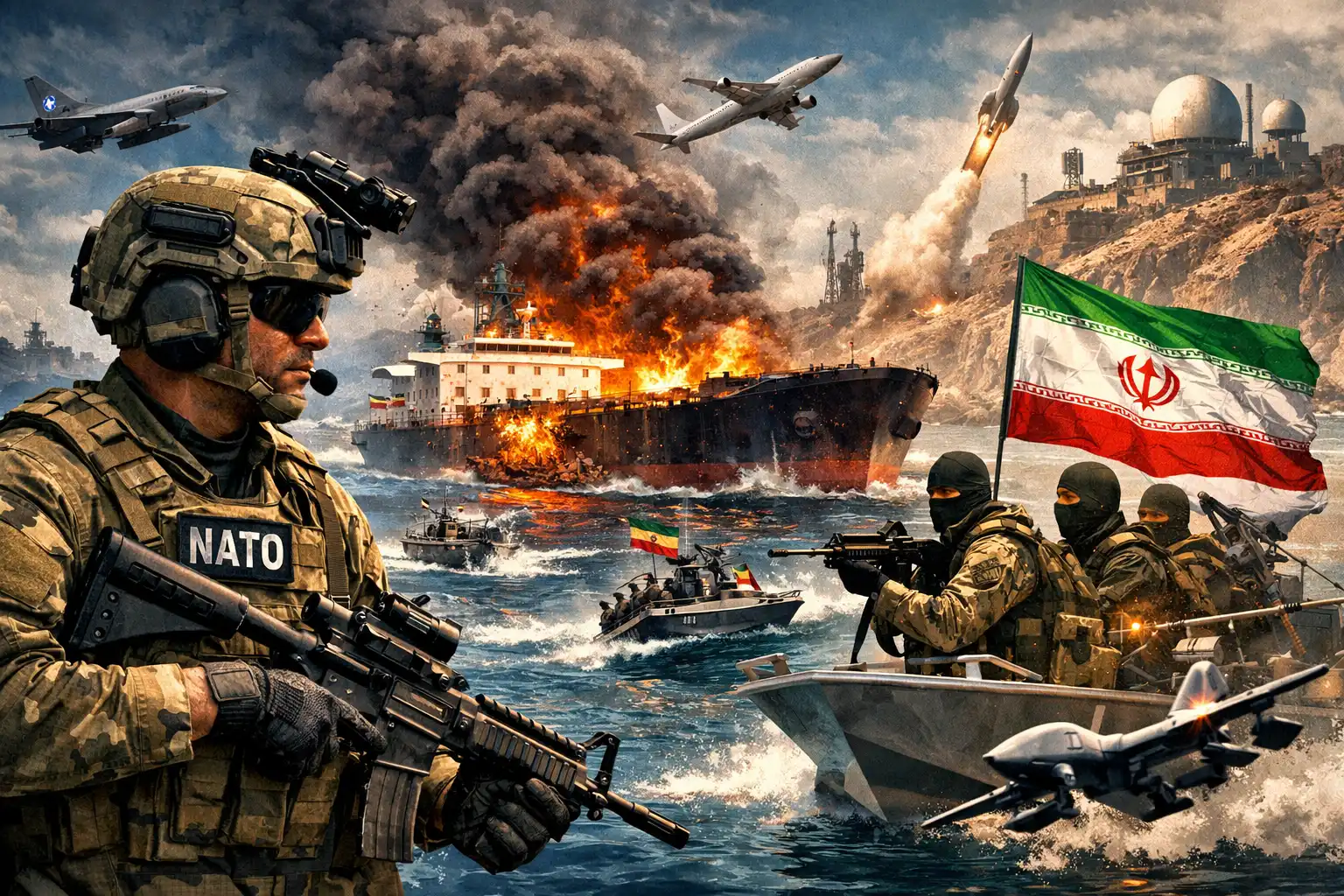
If NATO Does Not Help Open the Strait of Hormuz
The Strait of Hormuz has once again become the center of global geopolitical tension after a strong warning from the U.S. president regarding NATO’s role in maintaining open maritime routes. According to the statement, if NATO fails to help ensure that the Strait of Hormuz remains open and secure, the alliance could face serious consequences in the future. The remarks come amid growing tensions in the Middle East, increasing military activity, and fears that global energy supplies could be disrupted if the strategic waterway becomes blocked or restricted.
Why the Strait of Hormuz Is So Important
The Strait of Hormuz is one of the most strategically important waterways in the world. It connects the Persian Gulf with the Gulf of Oman and the Arabian Sea, serving as a crucial route for global oil shipments. A large percentage of the world’s oil exports pass through this narrow corridor every day. Because of its strategic importance, any disruption in the Strait of Hormuz can have immediate effects on global energy markets, shipping routes, and international trade.
Oil-producing countries in the Gulf region rely heavily on this route to export their crude oil to international markets. If the strait is closed or restricted, energy prices could rise sharply, causing economic instability across many parts of the world. For this reason, maintaining freedom of navigation in the Strait of Hormuz has long been a priority for many global powers.
NATO and the Strait of Hormuz Security Concerns
The recent warning from the U.S. president highlights growing pressure on NATO to take a stronger role in protecting the Strait of Hormuz. According to the statement, NATO allies must demonstrate unity and commitment to safeguarding global shipping lanes. If the alliance fails to support efforts to keep the Strait of Hormuz open, it could weaken NATO’s credibility and influence on the global stage.
Security experts believe that the alliance plays a critical role in ensuring stability in international waters. NATO’s military capabilities, intelligence sharing, and naval cooperation allow member countries to respond quickly to threats that could endanger commercial shipping or regional security. The U.S. president’s statement suggests that collective action from NATO is necessary to prevent further escalation in the region.
Rising Tensions Around the Strait of Hormuz
In recent months, tensions in the Middle East have intensified, raising concerns about potential disruptions to maritime traffic. Military deployments, political disputes, and regional conflicts have all contributed to uncertainty around the security of the Strait of Hormuz. Analysts warn that even a small confrontation in the region could have large global consequences.
Several countries have already increased naval patrols and surveillance operations near the strait to monitor developments. International shipping companies are also closely watching the situation because any instability could affect shipping costs, insurance premiums, and delivery times for energy supplies.
Global Economic Impact of a Strait of Hormuz Crisis
If the Strait of Hormuz were to become blocked or heavily restricted, the impact on the global economy could be severe. Energy-importing countries would face higher fuel costs, and industries dependent on oil and gas could experience disruptions. Financial markets often react quickly to geopolitical instability, meaning a crisis in the strait could trigger fluctuations in global markets.
This is why many international leaders believe cooperation between global alliances such as NATO is essential. Ensuring the safe passage of ships through the Strait of Hormuz helps maintain stability in energy markets and protects global trade routes that millions of people depend on every day.
Future of NATO and the Strait of Hormuz Responsibility
The warning from the U.S. president suggests that the future role of NATO could depend on how effectively the alliance responds to challenges like those surrounding the Strait of Hormuz. If NATO demonstrates unity and decisive action, it may strengthen its position as a major security organization. However, failure to respond could lead to criticism and questions about the alliance’s relevance in addressing modern global threats.
Ultimately, the situation surrounding the Strait of Hormuz remains fluid. Diplomatic efforts, military coordination, and international cooperation will likely determine whether tensions escalate or stabilize in the coming months.
Conclusion
The U.S. president’s warning about NATO and the Strait of Hormuz reflects broader concerns about global security, energy stability, and international cooperation. As one of the world’s most important maritime chokepoints, the Strait of Hormuz remains critical to the functioning of the global economy. Whether NATO chooses to take a stronger role in protecting this vital route could shape not only regional stability but also the future credibility of the alliance itself.

