

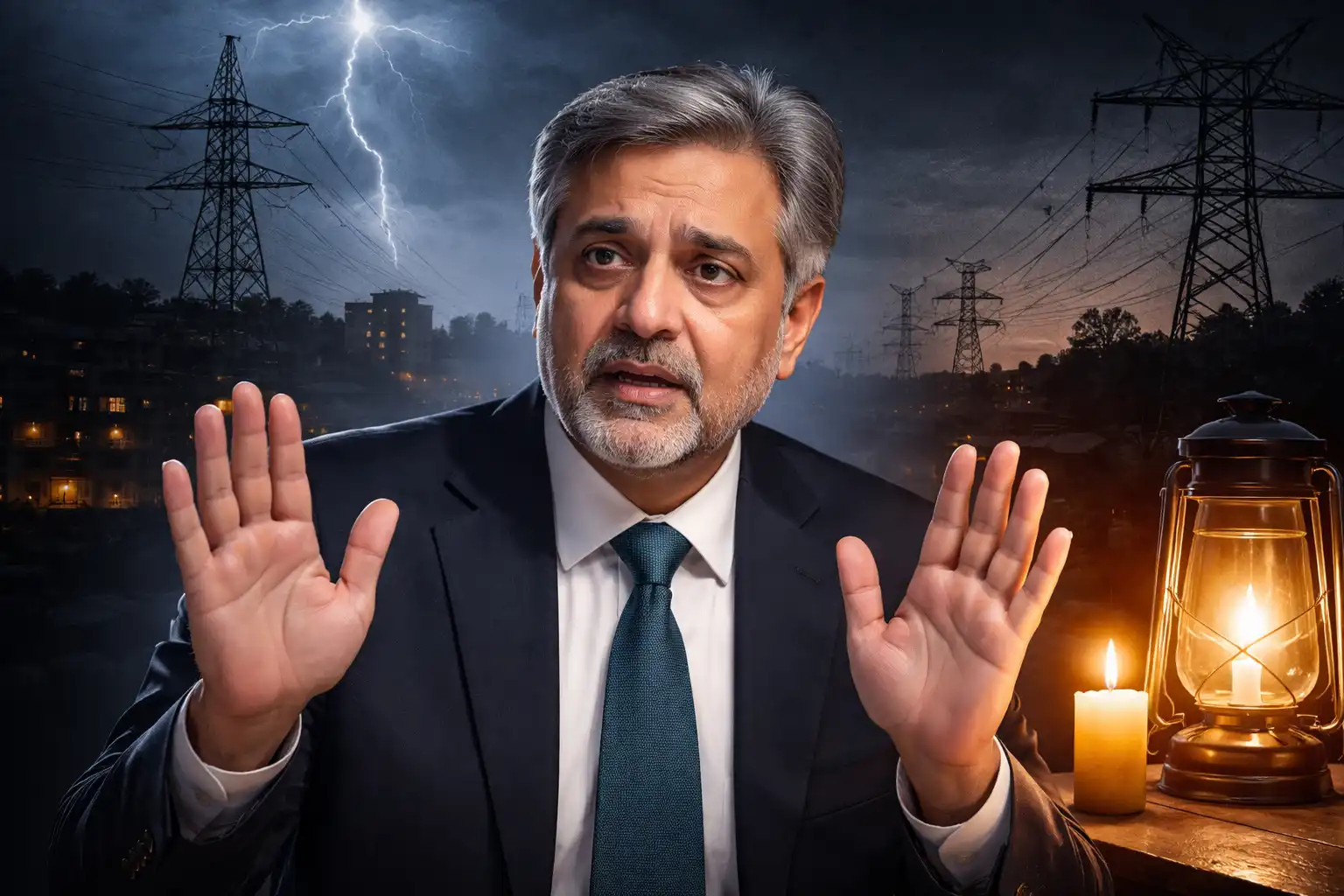
Federal Energy Minister Awais Leghari Apologizes Over Load Shedding
Pakistan continues to face persistent power outages, and public frustration has been rising due to unannounced electricity cuts in several regions. In a recent development, Federal Minister for Energy Awais Leghari has publicly apologized for the ongoing load shedding, acknowledging the inconvenience caused to citizens and businesses across the country.
Load Shedding: Awais Leghari Apologizes to the Nation
Addressing the media, Awais Leghari expressed regret over the worsening electricity situation. He admitted that the government is aware of the hardships people are facing due to prolonged and irregular power outages, especially during peak hours. His apology comes at a time when temperatures are rising and electricity demand is increasing significantly.
The minister emphasized that the government is taking the issue seriously and is working to stabilize the power supply. He assured citizens that immediate steps are being implemented to reduce the duration and frequency of load shedding.
Reasons Behind Load Shedding: Awais Leghari Explains the Crisis
While explaining the reasons behind the current crisis, Awais Leghari pointed out multiple factors contributing to load shedding. One of the main causes is the gap between electricity demand and supply. As temperatures rise, energy consumption increases, putting additional pressure on the national grid.
Another significant issue highlighted by the minister is fuel shortages. Some power plants are unable to operate at full capacity due to limited availability of fuel, which directly affects electricity generation. Additionally, technical faults and maintenance work in certain areas have also contributed to disruptions.
The minister also mentioned circular debt as a long-standing challenge that continues to affect the energy sector. Financial constraints limit the ability of power companies to operate efficiently and invest in infrastructure improvements.
Government Measures After Load Shedding: Awais Leghari’s Response
Following the apology, Awais Leghari outlined several measures being taken to address the situation. He stated that efforts are underway to increase electricity generation by ensuring fuel supply to power plants. Authorities are also working to bring idle power plants back online to boost overall capacity.
The government is focusing on improving transmission and distribution systems to minimize technical losses. Steps are being taken to upgrade outdated infrastructure, which often leads to breakdowns and inefficiencies.
In addition, the minister assured that strict action will be taken against power theft, which remains a major contributor to energy losses in the country. Reducing electricity theft can significantly improve supply and reduce the need for load shedding.
Public Reaction to Load Shedding: Awais Leghari Faces Criticism
Despite the apology, public response has been mixed. Many citizens have welcomed the minister’s acknowledgment of the issue, but others remain critical, stating that apologies alone are not enough. People have demanded concrete and long-term solutions rather than temporary fixes.
Businesses, particularly small enterprises, have been severely affected by power outages. Interrupted operations lead to financial losses and reduced productivity. Similarly, students and households are facing difficulties in maintaining daily routines due to inconsistent electricity supply.
The opposition has also criticized the government, accusing it of failing to manage the energy crisis effectively. They have called for transparent policies and better planning to avoid such situations in the future.
Future Outlook on Load Shedding: Awais Leghari Promises Improvement
Looking ahead, Awais Leghari expressed optimism about improving the energy situation in the coming weeks. He assured that with better management and coordination, the government aims to reduce load shedding significantly.
He highlighted ongoing projects in the energy sector that are expected to increase electricity production in the long term. Renewable energy initiatives, including solar and wind projects, are also being promoted to diversify energy sources and reduce reliance on traditional fuels.
The minister reiterated his commitment to resolving the crisis and urged the public to cooperate by conserving electricity wherever possible. He stressed that collective efforts are essential to overcome the current challenges and ensure a stable power supply for the future.
FOLLOW LIVE UPDATES
What This Means Going Forward
The apology by Awais Leghari marks an important acknowledgment of the challenges faced by the public due to load shedding. While immediate relief remains a priority, the situation also highlights the need for structural reforms in Pakistan’s energy sector. Sustainable solutions, improved infrastructure, and responsible energy usage will play a crucial role in preventing similar crises in the future.

