

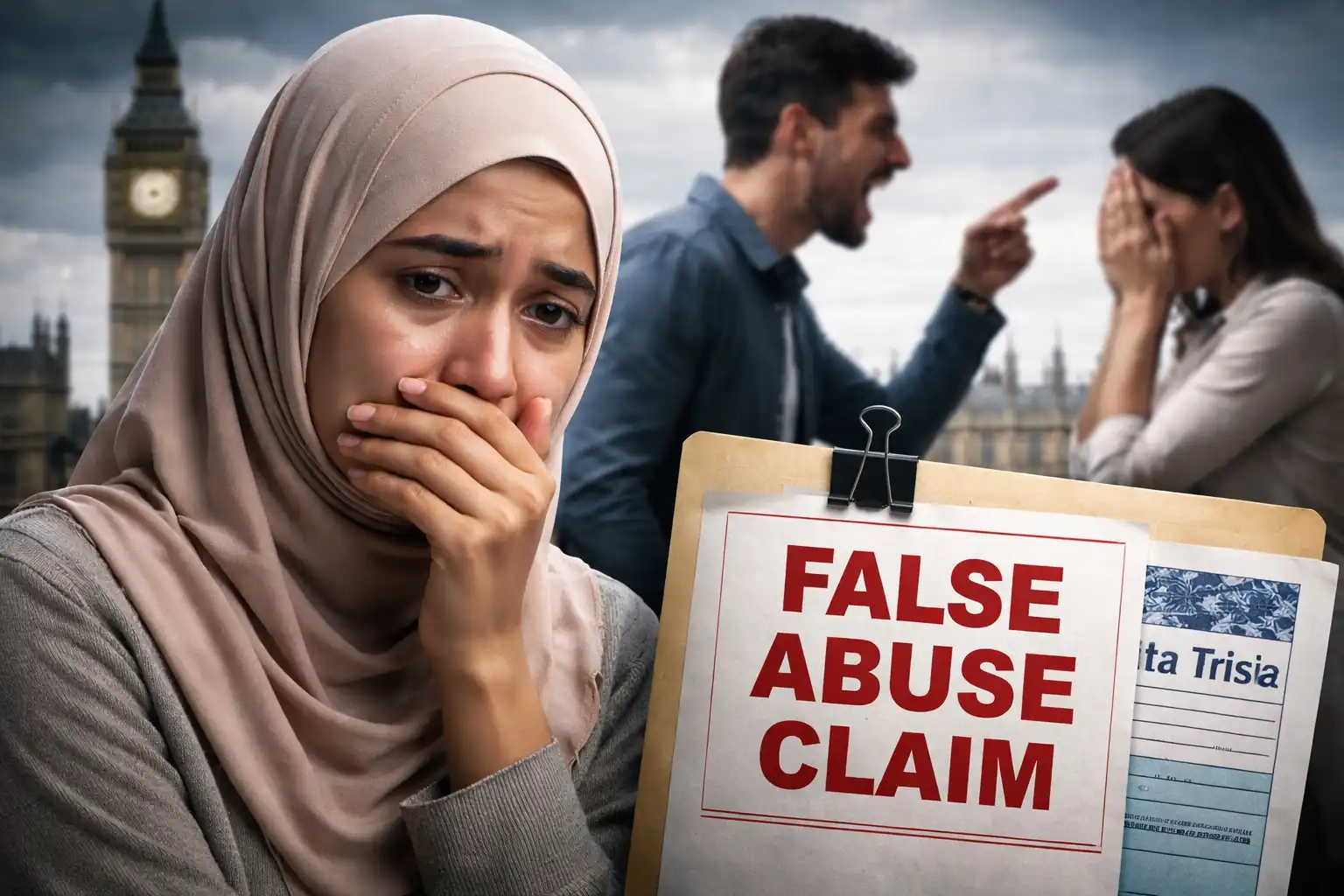
False Domestic Abuse Claims by Asylum Seekers Seeking Settlement
A recent investigation by the BBC has brought to light a troubling pattern involving some asylum seekers in the United Kingdom. The report suggests that a number of individuals have allegedly made false domestic abuse claims in an effort to strengthen their chances of securing residency. This issue has sparked widespread debate about the integrity of the asylum system and the challenges authorities face in distinguishing genuine cases from fabricated ones.
False Domestic Abuse Claims by Asylum Seekers Seeking Settlement in the UK
The BBC investigation found that certain migrants were being advised—sometimes by unofficial agents or online communities—to claim they were victims of domestic violence. Under UK immigration rules, victims of domestic abuse may qualify for protection and, in some cases, permanent residency. This provision is designed to safeguard vulnerable individuals, but it appears that some have attempted to exploit it.
Legal experts cited in the report noted that while the majority of asylum seekers present legitimate cases, a small minority misusing the system can undermine trust. These false claims can complicate the work of immigration officers, who must carefully evaluate each case while ensuring that genuine victims are not denied help.
How the System Works
The UK has established specific pathways for victims of domestic abuse to seek protection. Individuals who can demonstrate credible evidence of abuse may be granted leave to remain. This includes providing documentation such as medical reports, police records, or testimonies from support organizations.
However, the BBC investigation highlighted that verifying such claims is not always straightforward. In some cases, supporting evidence may be limited or difficult to authenticate. This creates a challenge for decision-makers who must balance compassion with caution.
Role of Advisors and Online Networks
One of the key findings of the investigation was the role played by informal advisors and online forums. These platforms sometimes share guidance on how to navigate the asylum system, including tips that encourage exaggeration or fabrication of personal circumstances.
Authorities are increasingly concerned about the spread of such information, as it can lead to coordinated misuse of legal protections. Immigration officials have warned that individuals found to be making false claims could face serious consequences, including rejection of their applications and potential legal action.
Impact on Genuine Victims
The misuse of domestic abuse claims has significant implications for those who truly need protection. Advocacy groups have expressed concern that increased scrutiny may make it harder for real victims to come forward. When authorities become more cautious, genuine cases may face delays or additional hurdles.
Support organizations emphasize the importance of maintaining a system that prioritizes the safety and dignity of victims. They argue that while fraud must be addressed, it should not come at the expense of those who are genuinely at risk.
Government Response and Policy Considerations
In response to the findings, UK officials have indicated that they are reviewing current procedures to improve the verification process. This may include enhanced training for caseworkers, better coordination with law enforcement, and stricter requirements for evidence.
Policymakers are also exploring ways to counter misinformation circulating online. Public awareness campaigns and collaboration with community leaders are being considered to ensure that asylum seekers receive accurate guidance.
Challenges in Balancing Fairness and Control
The issue highlights a broader challenge within immigration systems worldwide: how to remain humane while preventing abuse. Striking this balance requires careful policy design and ongoing oversight.
Experts suggest that technology could play a role in improving case assessments, such as using data analysis to identify patterns of suspicious claims. At the same time, human judgment remains essential in understanding the complexities of individual situations.
FOLLOW LIVE UPDATE
Key Takeaways
The BBC investigation underscores the need for vigilance in protecting the integrity of asylum systems. While the majority of applicants seek refuge for legitimate reasons, even a small number of false claims can have far-reaching consequences. Strengthening verification processes, addressing misinformation, and supporting genuine victims are all critical steps in ensuring a fair and effective system.

