

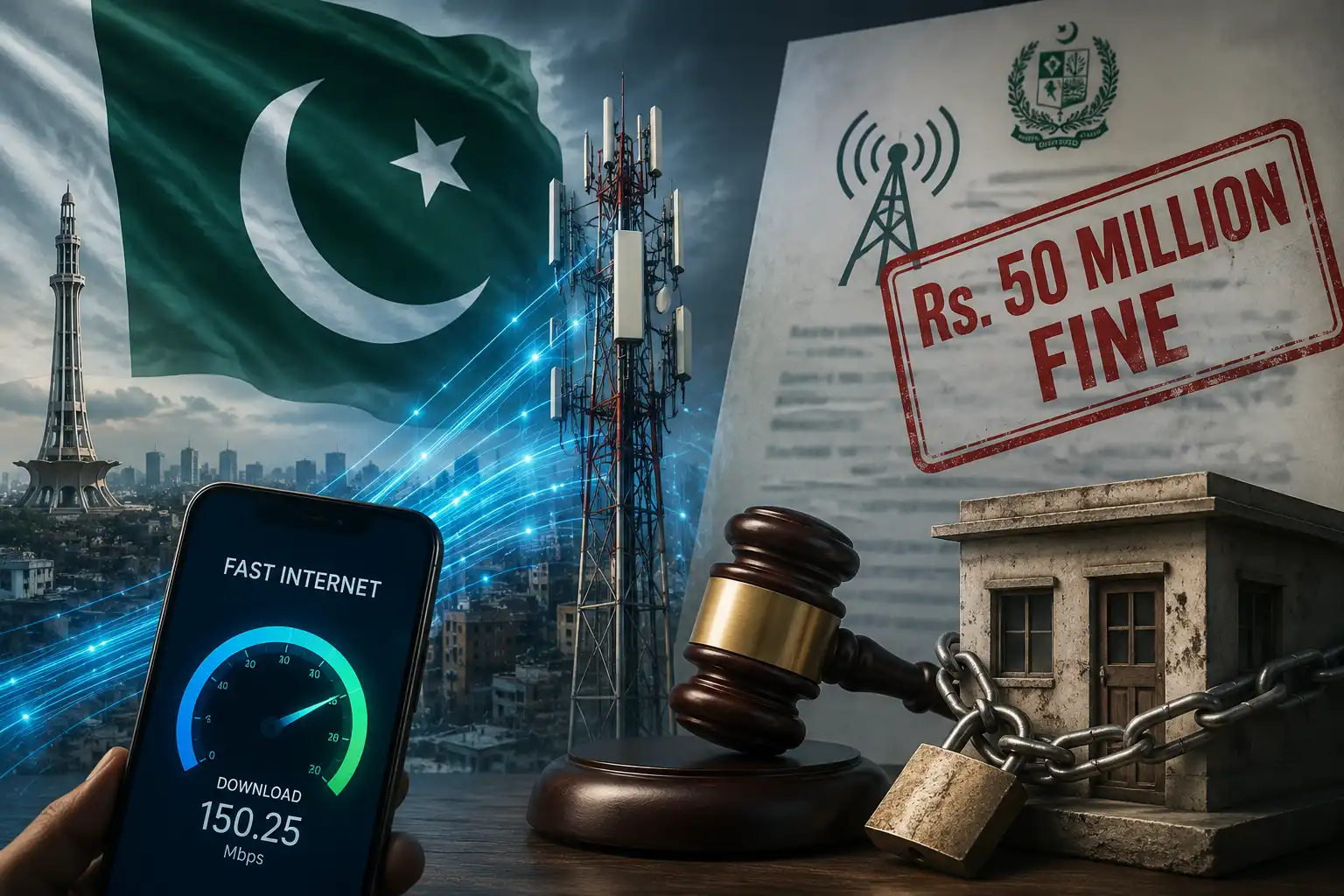
Controversial Telecom Bill in Pakistan
Pakistan’s telecommunications sector has become the center of a heated national debate following the introduction of a controversial telecom bill. What initially appeared to be a proposal aimed at improving network infrastructure and ensuring better internet connectivity has evolved into a broader discussion involving massive financial penalties, government authority, and citizens’ property rights.
The proposed legislation has sparked concern among telecom companies, legal experts, civil society organizations, and property owners. Supporters argue that the bill is necessary to expand digital connectivity and improve internet services across the country. Critics, however, believe that some provisions could undermine private property rights and grant excessive powers to authorities.
Understanding the Controversial Telecom Bill in Pakistan
The Controversial Telecom Bill in Pakistan seeks to address long-standing challenges faced by telecommunications operators when installing infrastructure such as mobile towers, fiber-optic cables, and related equipment.
Telecom companies have often complained about delays in obtaining permissions from local authorities and private property owners. According to industry representatives, these obstacles slow down network expansion and affect the quality of internet and mobile services.
The proposed legislation aims to streamline the process by creating a legal framework that facilitates easier deployment of telecom infrastructure. Government officials argue that faster approvals could help improve digital services, support economic growth, and enhance connectivity in remote regions.
Why Fast Internet Has Become a National Priority
The demand for high-speed internet in Pakistan has increased significantly in recent years. Online education, digital banking, e-commerce, remote work, and streaming services have all contributed to higher internet usage.
Telecommunications experts argue that improving internet infrastructure is essential for Pakistan’s digital transformation. They believe that without easier access to locations for installing equipment, network operators will struggle to meet growing consumer demands.
Controversial Telecom Bill in Pakistan and Infrastructure Expansion
Supporters of the bill claim that expanding telecommunications infrastructure requires practical solutions. They argue that delays caused by administrative procedures and disputes over land access often hinder network development.
According to this viewpoint, the proposed law would help telecom operators install essential equipment more efficiently, ultimately benefiting consumers through improved internet speeds and network reliability.
The Rs. 50 Million Fine Provision
One of the most debated aspects of the legislation is the provision for substantial financial penalties. Reports indicate that violations related to obstructing authorized telecommunications infrastructure projects could result in fines reaching up to Rs. 50 million.
This provision has generated considerable discussion among stakeholders. Supporters believe that strong penalties are necessary to prevent unnecessary delays and ensure compliance with regulations. They argue that infrastructure projects of national importance should not be hindered by prolonged disputes.
Critics, however, view the proposed fines as excessive. They contend that such large penalties could place significant pressure on individuals, organizations, or entities involved in disagreements regarding telecom installations.
Property Rights Concerns Under the Controversial Telecom Bill in Pakistan
Perhaps the most sensitive issue surrounding the legislation relates to property rights. Several legal experts and rights advocates have raised concerns about provisions that could affect how telecom infrastructure is installed on private property.
Citizens’ Rights and Legal Questions
Opponents argue that any law allowing access to private property for infrastructure projects must carefully balance public interest with constitutional protections. They stress that property owners should retain the right to grant or deny access, subject to fair legal procedures.
Questions have also been raised regarding compensation mechanisms, dispute resolution processes, and safeguards against misuse of authority. Critics believe that these matters require greater clarity before the bill can gain broader public acceptance.
Controversial Telecom Bill in Pakistan and Public Interest
Supporters maintain that modern telecommunications networks serve the public interest and are essential for economic development. They argue that infrastructure projects often require access to strategic locations, making cooperation between property owners and telecom operators necessary.
They further contend that clear regulations could reduce conflicts and create a more predictable environment for investment in digital infrastructure.
Industry Perspective on the Proposed Legislation
Telecommunications companies generally support measures that simplify infrastructure deployment. Industry representatives have repeatedly highlighted the challenges associated with obtaining permissions from multiple authorities and stakeholders.
They argue that Pakistan’s growing digital economy depends on efficient network expansion. Delays in infrastructure development can affect service quality, limit technological innovation, and discourage future investment.
At the same time, some industry experts acknowledge the need for transparency and fair procedures to ensure that citizens’ rights remain protected.
Legal and Constitutional Debate
The legal debate surrounding the bill extends beyond telecommunications policy. Constitutional experts are examining whether certain provisions align with existing protections related to private ownership and due process.
Some analysts believe that any legislation affecting property rights must include robust safeguards, transparent oversight mechanisms, and accessible avenues for appeal. These measures, they argue, are necessary to maintain public trust and prevent potential conflicts.
Others emphasize that governments around the world often introduce special provisions for infrastructure projects considered vital to national development. The challenge lies in finding a balance between public necessity and individual rights.
What Lies Ahead for the Telecom Sector
As discussions continue, lawmakers face the task of addressing concerns raised by various stakeholders. Public consultations, parliamentary debates, and expert reviews may influence the final shape of the legislation.
The outcome could have significant implications for Pakistan’s telecommunications sector, internet users, property owners, and future digital development initiatives. Whether the bill ultimately strengthens connectivity while preserving citizens’ rights remains a central question in the ongoing debate.
FOLLOW LIVE UPDATES
Key Issues Being Watched
- Expansion of telecom infrastructure across the country.
- Measures aimed at improving internet speed and network coverage.
- The proposed Rs. 50 million penalty provision.
- Protection of citizens’ property rights.
- Legal safeguards and dispute resolution mechanisms.
- The balance between public interest and private ownership.
- The impact of the legislation on Pakistan’s digital economy and future connectivity goals.

