

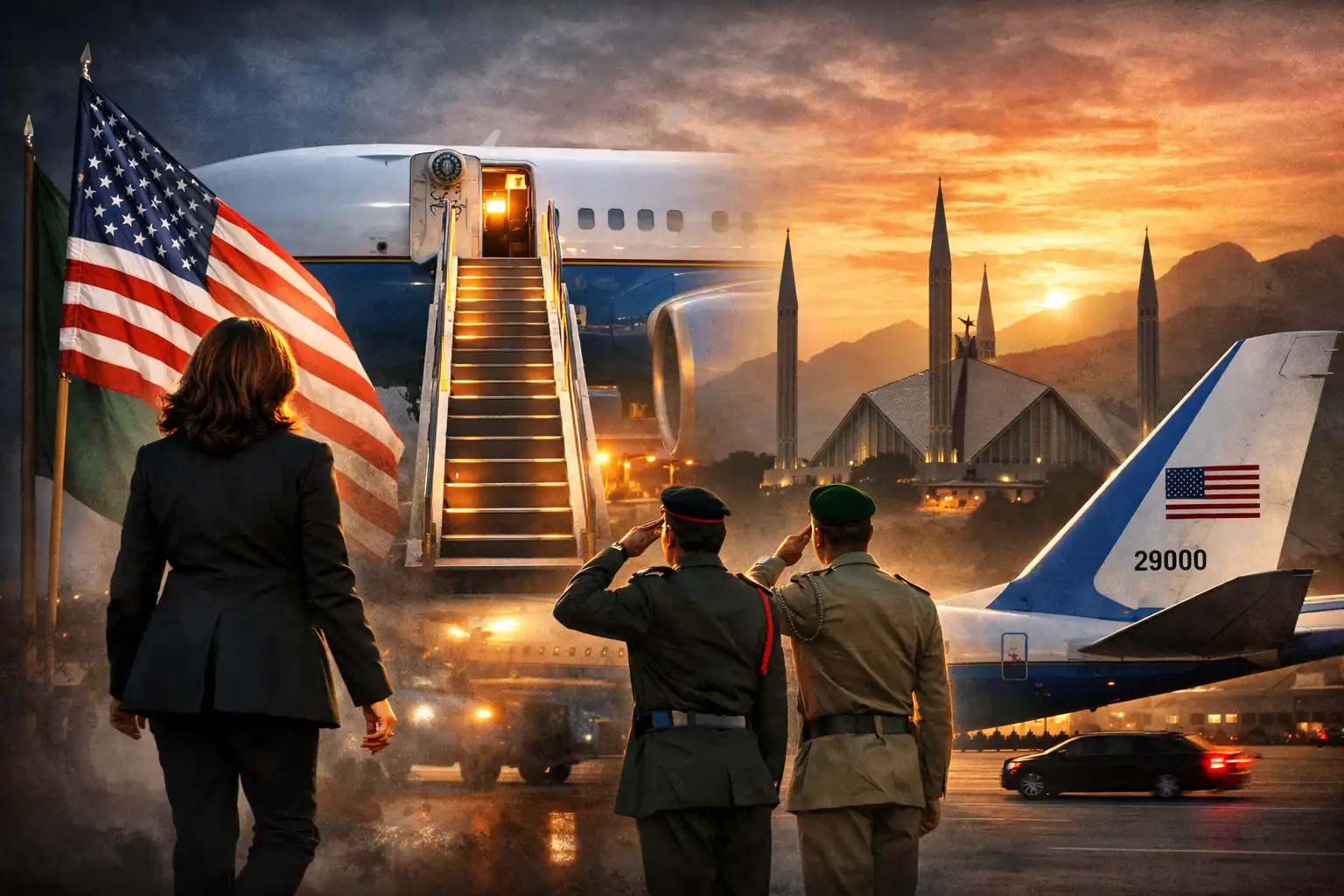
After 21 Hours of Talks US Vice President Departs Islamabad
After an intense 21-hour round of negotiations in Islamabad, US Vice President JD Vance departed without securing a formal agreement. The high-stakes diplomatic discussions, closely watched by global observers, centered on regional security, economic cooperation, and tensions involving Iran. Despite the lack of a finalized deal, Vance’s remarks suggested that the outcome may not be equally unfavorable for all parties involved.
The extended duration of the talks highlights the complexity of the issues on the table. Delegations from both sides engaged in multiple rounds of dialogue, attempting to bridge gaps on key concerns. While expectations were high for a breakthrough, the absence of a formal agreement indicates that significant differences remain unresolved.
21 Hours of Talks Islamabad: Key Issues Discussed
The 21 Hours of Talks Islamabad revolved around several critical topics. These included regional stability, counterterrorism cooperation, trade relations, and the broader geopolitical implications of US-Iran tensions. Pakistan’s strategic position made it a crucial mediator in discussions involving regional dynamics.
Security concerns were at the forefront, with both sides exploring ways to enhance cooperation against extremist threats. Economic matters also played a vital role, particularly in terms of investment opportunities and trade facilitation. However, differing priorities and strategic interests made it difficult to reach a mutually acceptable agreement.
Iran’s role in the region was another focal point. The United States expressed concerns over Iran’s activities, while regional stakeholders emphasized the need for balanced diplomacy. These differing perspectives contributed to the challenges faced during the negotiations.
JD Vance’s Statement on the Outcome
Following the talks, JD Vance addressed the media and provided insight into the US perspective. He stated that the absence of a deal should not be viewed as a significant setback for the United States. According to Vance, the implications are far more serious for Iran than for America.
This statement underscores a strategic narrative being advanced by Washington. By downplaying the impact on the US, Vance aimed to project confidence and resilience. At the same time, his remarks signaled that Iran may face increased pressure as a result of the stalled negotiations.
Vance also acknowledged the efforts made during the discussions and emphasized that dialogue remains an ongoing process. He indicated that future engagements are likely, suggesting that the current round of talks is part of a broader diplomatic effort rather than a final outcome.
21 Hours of Talks Islamabad and Its Impact on Iran
The 21 Hours of Talks Islamabad carry significant implications for Iran. Without a negotiated agreement, Iran may find itself in a more challenging position diplomatically and economically. The absence of progress could lead to increased isolation and heightened scrutiny from the international community.
Economic pressures are a key concern. Sanctions and limited access to global markets have already strained Iran’s economy. A failed negotiation further complicates efforts to ease these restrictions. Additionally, regional alliances may shift in response to the outcome, potentially affecting Iran’s strategic position.
From a geopolitical standpoint, the lack of agreement could intensify existing tensions. This scenario may lead to further instability in the region, with ripple effects extending beyond immediate stakeholders. Iran’s response to the situation will be critical in shaping future developments.
READ MORE : Pakistan Proposal of Joint Patrolling in the Strait of Hormuz
Pakistan’s Role in the Negotiations
Pakistan played a central role as the host of the talks, providing a platform for dialogue between key stakeholders. The country’s diplomatic efforts were aimed at facilitating constructive engagement and promoting regional stability.
Hosting such high-level discussions underscores Pakistan’s importance in global diplomacy. The government sought to balance its relationships with major powers while advocating for peaceful resolutions to complex issues. Although the talks did not result in a formal agreement, Pakistan’s role as a mediator remains significant.
What Comes Next After the Talks
Instead of a traditional conclusion, the outcome of the 21-hour talks opens the door to continued diplomatic maneuvering and strategic recalibration. The absence of an agreement does not mark the end of discussions but rather signals a pause in an ongoing process.
Future negotiations are likely to build on the groundwork established during this session. Both sides may reassess their positions and explore new approaches to address unresolved issues. The evolving geopolitical landscape will play a crucial role in shaping the direction of these efforts.

