

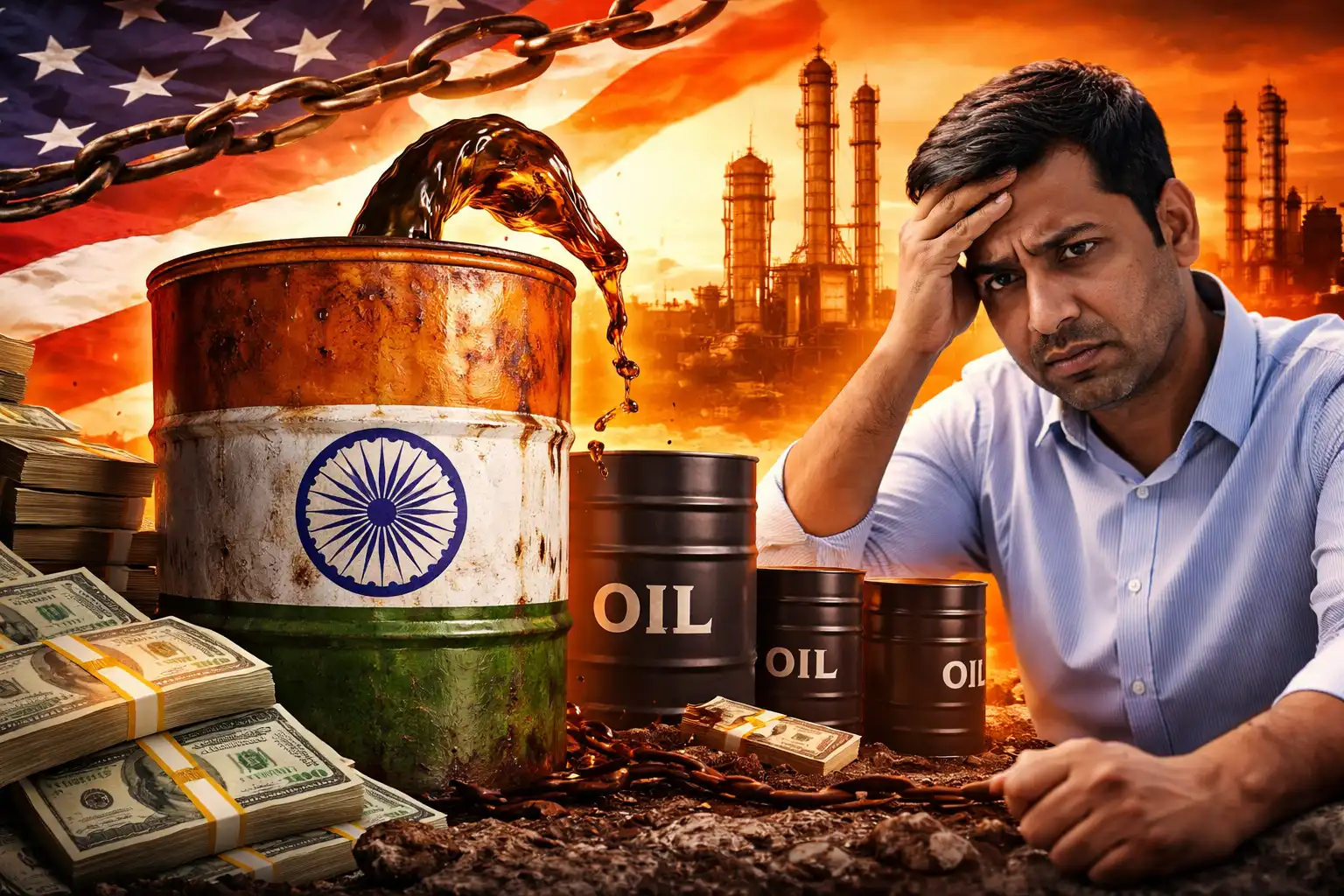
US Sanctions Relief Ends on Oil Purchases
The global energy landscape is undergoing rapid shifts, and recent policy changes by the United States have added new uncertainty. The decision to end sanctions relief on oil purchases has raised serious concerns for countries heavily dependent on imported energy. Among them, India now faces mounting pressure as it navigates rising costs, supply constraints, and geopolitical complexities.
Impact of US Sanctions Relief Ends on Oil Purchases on India
The termination of US sanctions relief on oil purchases directly affects India’s ability to source affordable crude oil. Previously, India benefited from relaxed restrictions, allowing it to import oil at competitive prices from certain sanctioned nations. With these exemptions now revoked, Indian refiners must seek alternative suppliers, often at higher costs.
This shift is likely to increase India’s import bill significantly. As one of the world’s largest oil importers, even a slight rise in crude prices can have a widespread impact on the economy. Higher import costs may translate into increased fuel prices domestically, affecting transportation, manufacturing, and overall inflation.
Rising Energy Costs and Economic Pressure
India’s economic growth is closely tied to stable and affordable energy supplies. The end of sanctions relief puts additional strain on an already sensitive balance. Fuel price hikes can reduce consumer spending power and increase operational costs for businesses.
Industries such as aviation, logistics, and manufacturing are particularly vulnerable. Increased fuel expenses may force companies to raise prices, leading to a ripple effect across the economy. Inflationary pressures could also prompt the government to intervene through subsidies or tax adjustments, further impacting fiscal stability.
Energy Security Concerns Deepen
US Sanctions Relief Ends on Oil Purchases and Supply Diversification
India has long pursued a strategy of diversifying its energy sources to reduce dependency on any single region. However, the end of US sanctions relief on oil purchases complicates this effort. Finding reliable and cost-effective alternatives in a volatile global market is not an easy task.
Countries in the Middle East remain key suppliers, but geopolitical tensions and production decisions by oil-producing nations can disrupt supply chains. Additionally, increased global competition for limited resources may drive prices even higher, making diversification more challenging.
Strategic Reserves and Policy Adjustments
To counter potential disruptions, India may rely more heavily on its strategic petroleum reserves. These reserves serve as a buffer during supply shocks but are not a long-term solution. Policymakers may also explore new trade agreements and partnerships to secure stable energy supplies.
At the same time, there is likely to be a renewed focus on boosting domestic production and accelerating the transition to renewable energy sources. However, such measures require time and significant investment before yielding tangible results.
Geopolitical Implications
US Sanctions Relief Ends on Oil Purchases and Global Alliances
The decision to end sanctions relief is not just an economic move; it also carries geopolitical implications. India must carefully balance its relationships with the United States and other oil-producing nations. Navigating these complex dynamics requires diplomatic finesse to ensure energy security without compromising strategic partnerships.
India’s foreign policy may need to adapt to changing circumstances, strengthening ties with alternative suppliers while maintaining cooperation with Western allies. This balancing act is crucial in an increasingly multipolar world.
Shift Toward Renewable Energy
US Sanctions Relief Ends on Oil Purchases Accelerates Energy Transition
One potential outcome of this challenge is an accelerated push toward renewable energy. Rising costs and supply uncertainties may encourage India to invest more aggressively in solar, wind, and other sustainable sources.
The government has already set ambitious targets for renewable energy capacity. The current situation could act as a catalyst, driving innovation and investment in clean energy technologies. Over time, this shift could reduce dependence on imported oil and enhance long-term energy security.
Market Volatility and Consumer Impact
The end of sanctions relief is expected to contribute to global oil market volatility. Price fluctuations can create uncertainty for both businesses and consumers. In India, rising fuel costs may lead to higher transportation fares and increased prices for essential goods.
For ordinary citizens, this translates into a higher cost of living. The government may face pressure to implement relief measures, but such steps come with their own economic trade-offs.
What Lies Ahead for India’s Energy Landscape
As the effects of US sanctions relief ends on oil purchases continue to unfold, India stands at a critical juncture. The country must navigate immediate challenges while planning for a more resilient energy future. Strategic diversification, policy innovation, and investment in renewable energy will play key roles in shaping the path forward.
Rather than viewing the situation solely as a crisis, it can also be seen as an opportunity to strengthen energy independence and sustainability. The coming years will determine how effectively India adapts to these evolving dynamics and secures its position in the global energy arena.

