

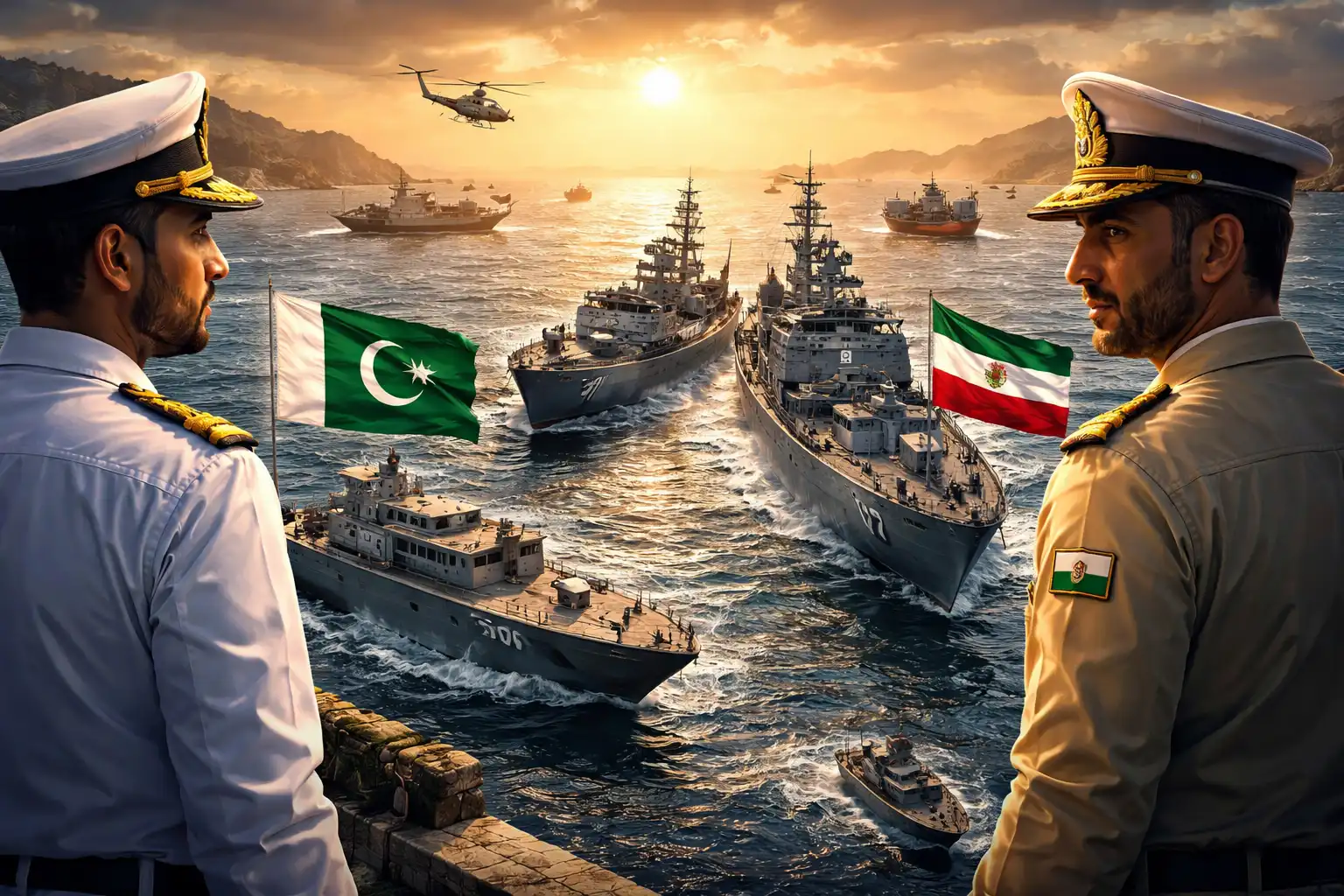
Pakistan Proposal of Joint Patrolling in the Strait of Hormuz
Pakistan’s proposal of joint patrolling in the Strait of Hormuz has emerged as a significant diplomatic and strategic idea during recent negotiations. The Strait of Hormuz is one of the world’s most critical maritime chokepoints, through which a substantial portion of global oil supply passes daily. Any disruption in this region can have serious economic and geopolitical consequences, not only for the Middle East but for the entire world.
By introducing the concept of joint patrolling, Pakistan aims to promote regional stability, ensure safe maritime navigation, and reduce the risks associated with escalating tensions in the Gulf region. This proposal reflects Pakistan’s growing interest in playing a constructive and responsible role in international security matters.
Strategic Context Behind Pakistan’s Proposal of Joint Patrolling in the Strait of Hormuz
The idea of Pakistan’s proposal of joint patrolling in the Strait of Hormuz is rooted in increasing tensions among regional powers and concerns over maritime security. The Strait has often been at the center of geopolitical rivalries, particularly involving countries like Iran, the United States, and Gulf nations.
Pakistan, maintaining balanced relations with multiple stakeholders, is in a unique position to offer a neutral and cooperative solution. The proposal emphasizes collaboration rather than confrontation, suggesting that regional countries work together to patrol the waters and ensure freedom of navigation.
This approach could reduce misunderstandings, prevent accidental conflicts, and build trust among nations that have historically been at odds with each other.
Key Objectives of Pakistan’s Proposal of Joint Patrolling in the Strait of Hormuz
Pakistan’s proposal of joint patrolling in the Strait of Hormuz is designed with several important objectives in mind:
Enhancing Maritime Security
Joint patrolling would help deter piracy, smuggling, and potential military threats. A coordinated presence of naval forces can ensure that any suspicious activities are quickly identified and addressed.
Promoting Regional Cooperation
The initiative encourages countries in the region to collaborate on a shared platform. This could foster dialogue and improve diplomatic relations among participating states.
Protecting Global Energy Supply
Since a large percentage of the world’s oil shipments pass through the Strait, ensuring its security is vital for global energy stability. Pakistan’s proposal aims to minimize disruptions that could impact international markets.
Building Confidence Among Nations
By working together in a structured and transparent manner, countries can develop mutual trust. This is particularly important in a region often marked by political tensions and strategic rivalries.
Challenges Facing Pakistan’s Proposal of Joint Patrolling in the Strait of Hormuz
Despite its potential benefits, Pakistan’s proposal of joint patrolling in the Strait of Hormuz faces several challenges that could affect its implementation.
Political Differences
The Gulf region is characterized by complex political dynamics. Differences in national interests and alliances may make it difficult for all parties to agree on a joint framework.
Trust Deficit
Long-standing mistrust among certain countries could hinder cooperation. Joint military operations require a high level of confidence and transparency, which may take time to develop.
External Influences
Global powers have strategic interests in the Strait of Hormuz. Their involvement or opposition could influence how regional countries respond to Pakistan’s proposal.
Operational Coordination
Coordinating joint patrols among multiple navies involves logistical challenges, including communication systems, command structures, and rules of engagement.
Potential Impact of Pakistan’s Proposal of Joint Patrolling in the Strait of Hormuz
If successfully implemented, Pakistan’s proposal of joint patrolling in the Strait of Hormuz could have far-reaching effects on regional and global stability.
The initiative could serve as a model for cooperative security arrangements in other conflict-prone areas. It would demonstrate that dialogue and collaboration can be more effective than unilateral actions or military escalation.
Moreover, it could enhance Pakistan’s international standing as a proactive and peace-oriented nation. By contributing to the security of a globally significant maritime route, Pakistan would strengthen its diplomatic influence and strategic relevance.
Final Insights on Pakistan’s Proposal of Joint Patrolling in the Strait of Hormuz
Pakistan’s proposal of joint patrolling in the Strait of Hormuz reflects a forward-looking approach to addressing complex security challenges through cooperation and dialogue. It highlights the importance of shared responsibility in maintaining peace and stability in critical regions. While obstacles remain, the idea itself opens new avenues for constructive engagement and underscores the potential of collaborative security frameworks in today’s interconnected world.

