

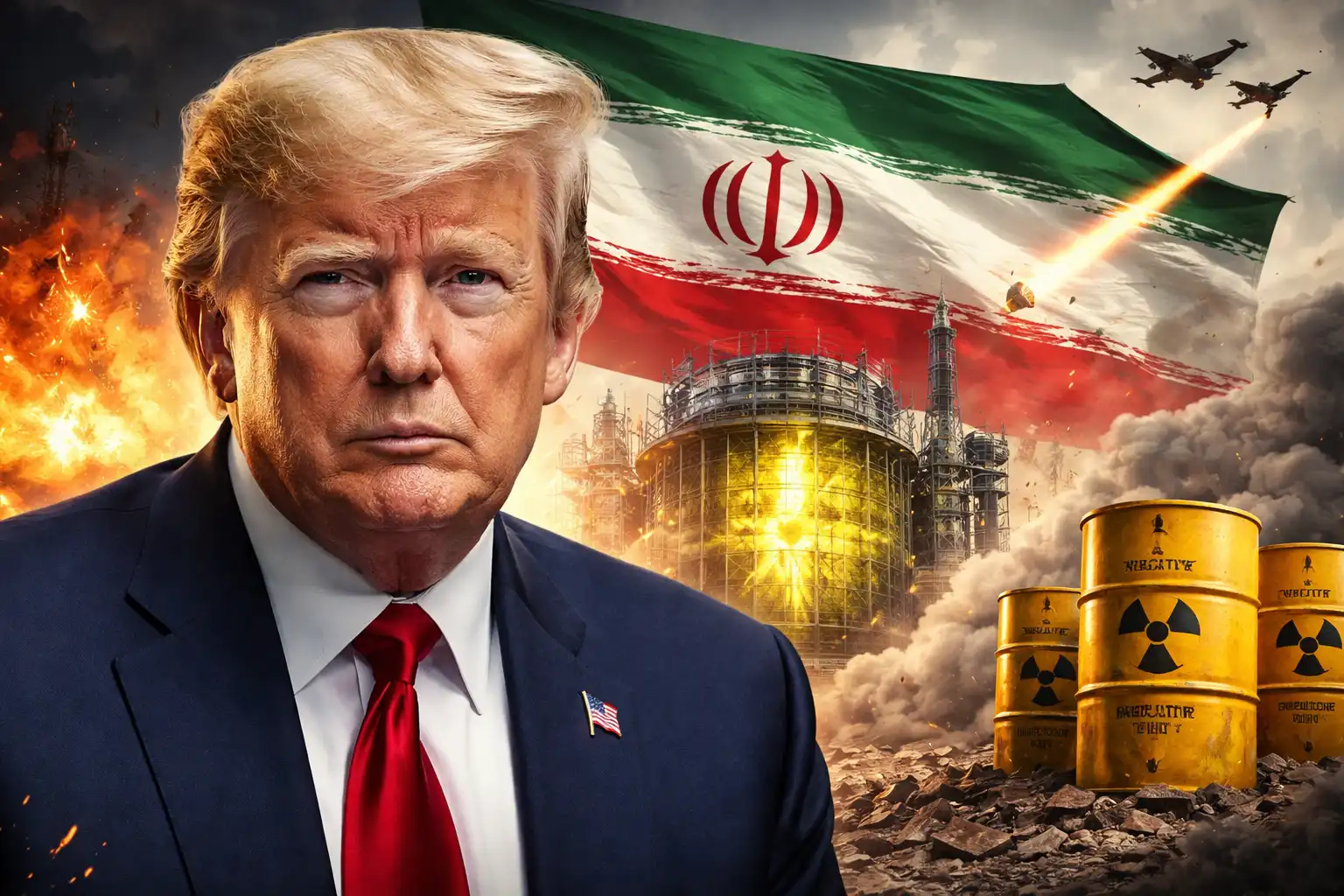
Trump Considering a Military Operation for Iranian Enriched Uranium
U.S. President Donald Trump is reportedly considering a military operation for Iranian enriched uranium. This potential mission reflects a significant escalation in U.S. policy toward Iran’s nuclear program amid ongoing tensions in the Middle East. The plan, still under internal review, involves the possibility of a ground or special forces operation aimed at seizing hundreds of pounds of enriched uranium that could be used in nuclear weapons development.
Trump’s advisors have not finalized a decision, but the discussion has sparked intense debate among policymakers, military strategists, and global observers. The United States has historically relied on diplomatic and economic pressure to curb Iran’s nuclear ambitions, but military options are being weighed due to the urgency of the threat posed by the growing uranium stockpiles.
Why Trump Is Considering a Military Operation for Iranian Enriched Uranium
Preventing Nuclear Weapon Development
The central rationale for considering a military operation is to prevent Iran from developing an operational nuclear weapon. U.S. officials argue that the stockpiled enriched uranium, particularly highly enriched material, is a significant proliferation risk. If Iran continues enriching uranium unchecked, it could shorten the timeline to a nuclear bomb. Past diplomatic agreements aimed at limiting Iran’s nuclear program have collapsed, leaving military intervention as one of the options under consideration.
Diplomatic Leverage and Pressure
In addition to direct action, the military option is also viewed as a tool for diplomatic leverage. Trump and his advisors have discussed pressuring Tehran to voluntarily surrender the enriched uranium. The idea is to combine the threat of force with negotiation, potentially extracting concessions from Iran without immediate combat. The dual-track approach of diplomacy backed by military readiness reflects a strategy intended to maximize pressure while keeping the door open for a negotiated settlement.
Potential Challenges of a Military Mission
Operational Complexity
Experts caution that a mission to seize Iranian enriched uranium would be extremely complex. The operation would require specialized forces, advanced equipment for handling radioactive materials, and secure transportation methods. The uranium is believed to be stored in protective containers within nuclear facilities, making extraction both risky and technically demanding. Any mishandling could result in contamination or accidental exposure, further complicating the mission.
Risks of Escalation
Another major concern is how Iran might respond to such an incursion. Iranian officials have repeatedly warned that they would defend their territory and national assets. A U.S. military operation could be interpreted as an act of war, potentially triggering missile attacks, drone strikes, or proxy retaliation across the region. The risk of escalation is high, as Tehran possesses both conventional and unconventional capabilities to respond to U.S. actions.
Regional Context and Broader Tensions
Middle East Conflict Dynamics
The potential military operation takes place against the backdrop of broader U.S.-Iran tensions and regional instability. Diplomatic efforts continue in several countries, aiming to reduce hostilities, yet the gap between U.S. demands and Iranian positions remains significant. Iran has continued military strikes and mobilization, heightening fears of wider conflict.
U.S. Military Posture
To prepare for multiple scenarios, the United States has increased its military presence in the region, deploying rapid response units and support personnel. The buildup underscores the seriousness with which Washington is considering the situation and its willingness to take decisive measures to achieve strategic objectives. The combination of military readiness and diplomatic engagement reflects a calculated approach to a highly volatile situation.
Strategic Implications
The discussion over a potential U.S. military operation demonstrates the gravity of the perceived nuclear threat from Iran. While the operation has not been finalized, it highlights the lengths to which Washington might go to prevent proliferation. The situation illustrates the complex balance between diplomacy, military capability, and regional stability. Decision-makers must weigh the operational risks, potential for escalation, and long-term geopolitical consequences.
Instead of a traditional conclusion, it is clear that Trump’s consideration of a military operation for Iranian enriched uranium underscores the high stakes involved. The world watches as diplomatic and military planning unfold, with the future of the Middle East hanging in the balance.

