

American Think Tank Declares Afghan Taliban Regime Policies a Global Challenge
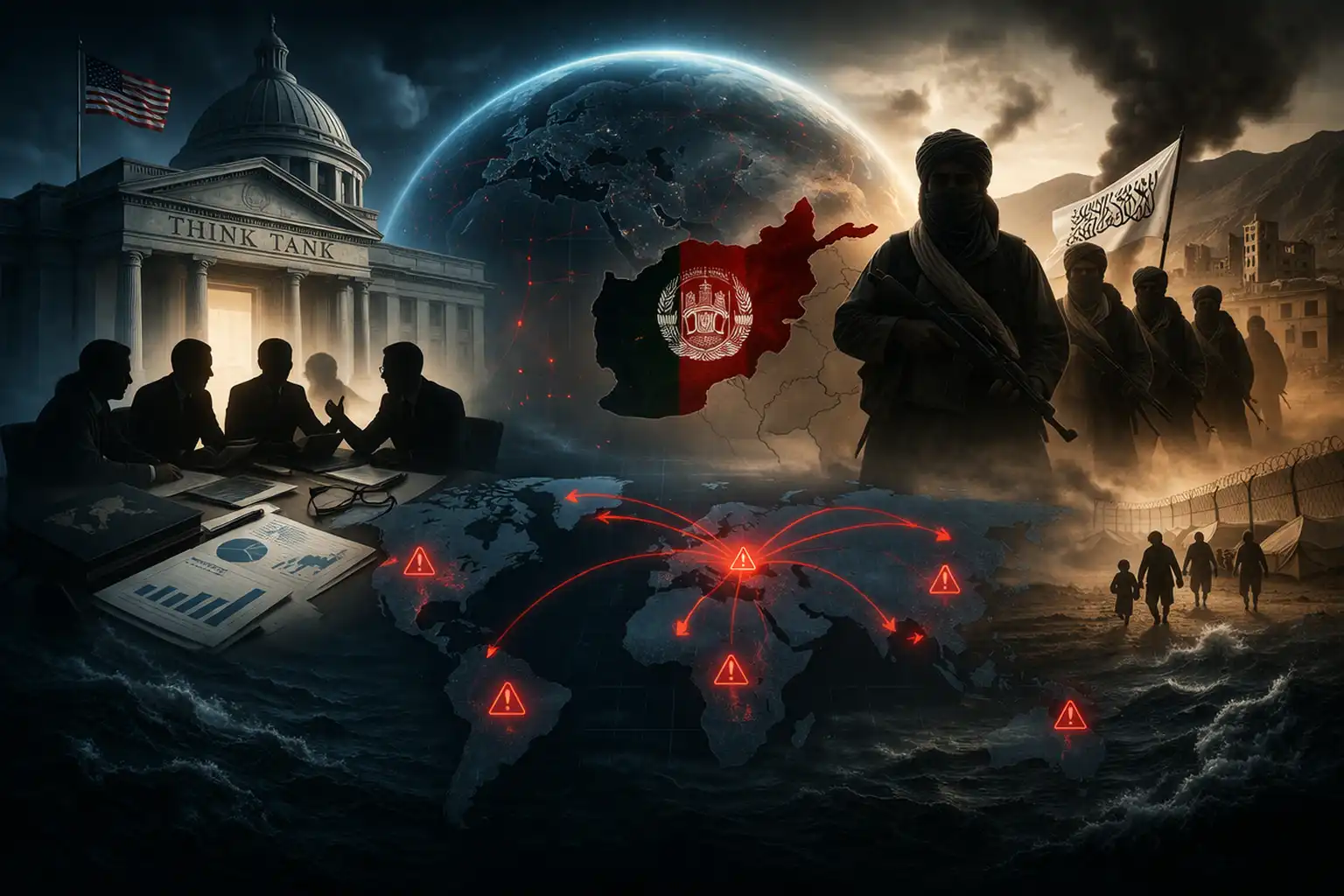
A leading American think tank has recently described the Afghan Taliban regime policies as a serious challenge for the global community. Since the Taliban returned to power in August 2021, their governance style has drawn widespread attention and concern. Analysts believe that the policies adopted by the regime are not only shaping Afghanistan’s internal situation but also affecting regional and international stability.
Afghan Taliban Regime Policies and Governance Approach
The Afghan Taliban regime policies are largely based on a centralized and rigid system of governance. According to the think tank, one of the major concerns is the absence of an inclusive political structure. Women, ethnic minorities, and political opponents have been largely excluded from governance.
This exclusion has weakened internal legitimacy and reduced the chances of international recognition. The report highlights that without inclusive governance, Afghanistan may face prolonged instability. The concentration of power within a limited leadership circle also reduces transparency and accountability, making it difficult to build strong state institutions.
Afghan Taliban Regime Policies on Human Rights
Human rights remain one of the most critical issues linked to Afghan Taliban regime policies. The think tank points out that restrictions on women’s rights are among the most alarming aspects. Women have been limited in access to education, employment, and public life.
Girls’ education beyond primary levels has been severely restricted, raising global criticism. The report emphasizes that such policies are not only a violation of basic human rights but also a major obstacle to national development. By limiting opportunities for half the population, Afghanistan’s social and economic progress is significantly hindered.
Afghan Taliban Regime Policies and Global Security Concerns
Another key issue highlighted in the report is the impact of Afghan Taliban regime policies on global security. Afghanistan has historically been linked with militant networks, and there are ongoing concerns about the possible re-emergence of such groups.
Although the Taliban have made commitments regarding counterterrorism, the think tank notes that implementation remains uncertain. Weak monitoring systems and lack of international cooperation make it difficult to verify these claims. This creates anxiety among global powers, as any rise in extremist activities could pose threats beyond Afghanistan’s borders.
Afghan Taliban Regime Policies and Economic Challenges
The economic dimension of Afghan Taliban regime policies is equally concerning. Since taking power, the country has faced severe financial difficulties. International sanctions, frozen assets, and reduced foreign aid have all contributed to economic decline.
The think tank report states that economic mismanagement has worsened unemployment and poverty levels. Businesses are struggling, and foreign investment remains limited due to uncertainty. Without economic reforms and engagement with global institutions, Afghanistan’s economic crisis is likely to deepen further.
Afghan Taliban Regime Policies and International Relations
The Afghan Taliban regime policies have complicated Afghanistan’s relationship with the rest of the world. Most countries have not officially recognized the Taliban government, maintaining only limited diplomatic engagement.
The think tank suggests that this cautious approach reflects global dissatisfaction with the regime’s policies. Efforts to encourage policy changes through dialogue have shown limited success. A coordinated international strategy is needed to address issues such as governance, human rights, and securityAfghan Taliban Regime Policies and Regional Impact
At the regional level, Afghan Taliban regime policies are creating multiple challenges. Neighboring countries are concerned about border security, refugee movements, and the spread of extremism.
FOLLOW LIVE UPDATE
Strategic Outlook
The future of Afghanistan largely depends on how Afghan Taliban regime policies evolve in the coming years. The think tank believes that while there is potential for gradual change, the current direction raises serious concerns.
A balanced approach involving international pressure and constructive engagement may encourage policy adjustments. The global community must carefully manage its strategy to support stability while addressing key challenges linked to Afghanistan’s governance and development.

