

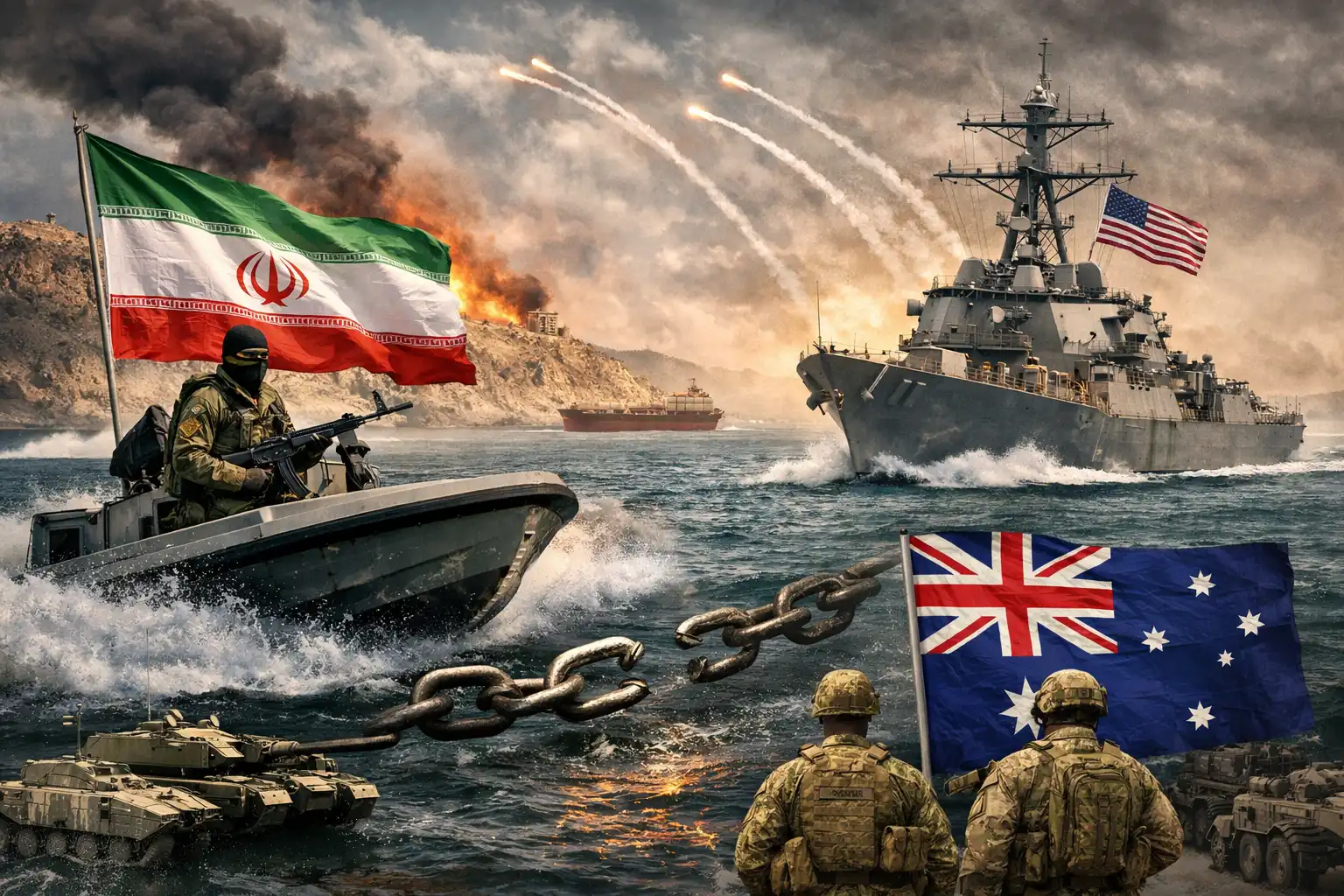
Strait of Hormuz Opening Issue UK and Australia Reject US Request for Support
The Strait of Hormuz Opening Issue has recently become a major topic in global politics and security discussions. The United States reportedly sought support from its allies to ensure the security and continued operation of the Strait of Hormuz amid rising tensions in the region. However, both the United Kingdom and Australia declined the request for direct military assistance. This decision has sparked debate about international alliances, regional stability, and the strategic importance of the Strait of Hormuz.
Strait of Hormuz Opening Issue and Its Global Importance
The Strait of Hormuz is one of the most strategically significant waterways in the world. Located between the Persian Gulf and the Gulf of Oman, it serves as a critical route for global oil transportation. A large portion of the world’s crude oil and liquefied natural gas passes through this narrow passage every day. Any disruption in the strait could lead to serious consequences for global energy markets and international trade. The Strait of Hormuz Opening Issue has become more urgent due to rising geopolitical tensions in the Middle East. Concerns about potential blockades, military confrontations, or restrictions on shipping have pushed several countries to evaluate their security strategies. The United States has long maintained a strong military presence in the region to ensure freedom of navigation, but the current situation has prompted Washington to seek broader international cooperation.
Why the United States Sought Support in the Strait of Hormuz Opening Issue
The request from the United States for assistance was mainly aimed at strengthening maritime security operations. American officials emphasized the need for allied support to monitor shipping routes, deter potential threats, and respond quickly to any escalation. From Washington’s perspective, the Strait of Hormuz Opening Issue is not only a regional problem but a global one. Many countries depend on the steady flow of oil and goods through this passage. By involving allies such as the United Kingdom and Australia, the United States hoped to build a multinational security framework that would share responsibilities and reduce the burden on American forces.
UK Response to the Strait of Hormuz Opening Issue
Despite its close military relationship with the United States, the United Kingdom reportedly declined the request for additional involvement. British officials expressed concerns about escalating tensions and emphasized the importance of diplomatic solutions rather than expanding military operations. The UK government signaled that it would continue to support regional stability through existing commitments but was cautious about joining new missions that could further complicate the security environment. Analysts suggest that domestic political considerations and ongoing global commitments may have influenced the British decision. The UK is currently balancing several international responsibilities and may be seeking to avoid deeper involvement in another potentially volatile conflict zone.
Strategic Considerations Behind the UK Decision
Experts believe that the UK’s response reflects a broader strategic calculation. Rather than increasing military deployment, Britain appears to favor diplomatic engagement and multilateral dialogue to address the Strait of Hormuz Opening Issue. This approach aims to reduce the risk of confrontation while maintaining support for international maritime law and freedom of navigation.
Australia’s Position on the Strait of Hormuz Opening Issue
Australia also rejected the request for direct assistance in the proposed operation. Government officials emphasized that while Australia values its alliance with the United States, decisions about military participation must align with national priorities and security assessments. Australia has previously contributed to international maritime missions, but in this case the government appears to have determined that involvement might not serve its immediate strategic interests. Officials stated that Australia remains committed to global security and the protection of international trade routes, yet prefers diplomatic and economic measures over additional military deployment in the region.
Regional and Political Factors Influencing Australia
Several factors may have influenced Australia’s stance on the Strait of Hormuz Opening Issue. These include regional stability concerns, resource allocation for defense operations, and the desire to avoid escalating tensions in an already sensitive geopolitical environment. Australia’s government has emphasized the importance of international cooperation but has also stressed that each situation requires careful evaluation.
Future Implications of the Strait of Hormuz Opening Issue
The refusal by the United Kingdom and Australia highlights the complexities of modern alliances. While countries often share strategic interests, they may differ on how best to respond to emerging crises. The Strait of Hormuz Opening Issue is likely to remain a significant topic in international security discussions. As tensions in the region continue to evolve, global powers will need to balance military preparedness with diplomatic efforts to maintain stability. Ultimately, the future of the strait will depend on cooperation among regional actors, responsible navigation policies, and sustained international dialogue aimed at preventing conflict and ensuring the uninterrupted flow of global trade.

