

Mojtaba Khamenei Claims Enemies Are Trying to Destabilize Iran Through Internal Conflict After Military Defeat
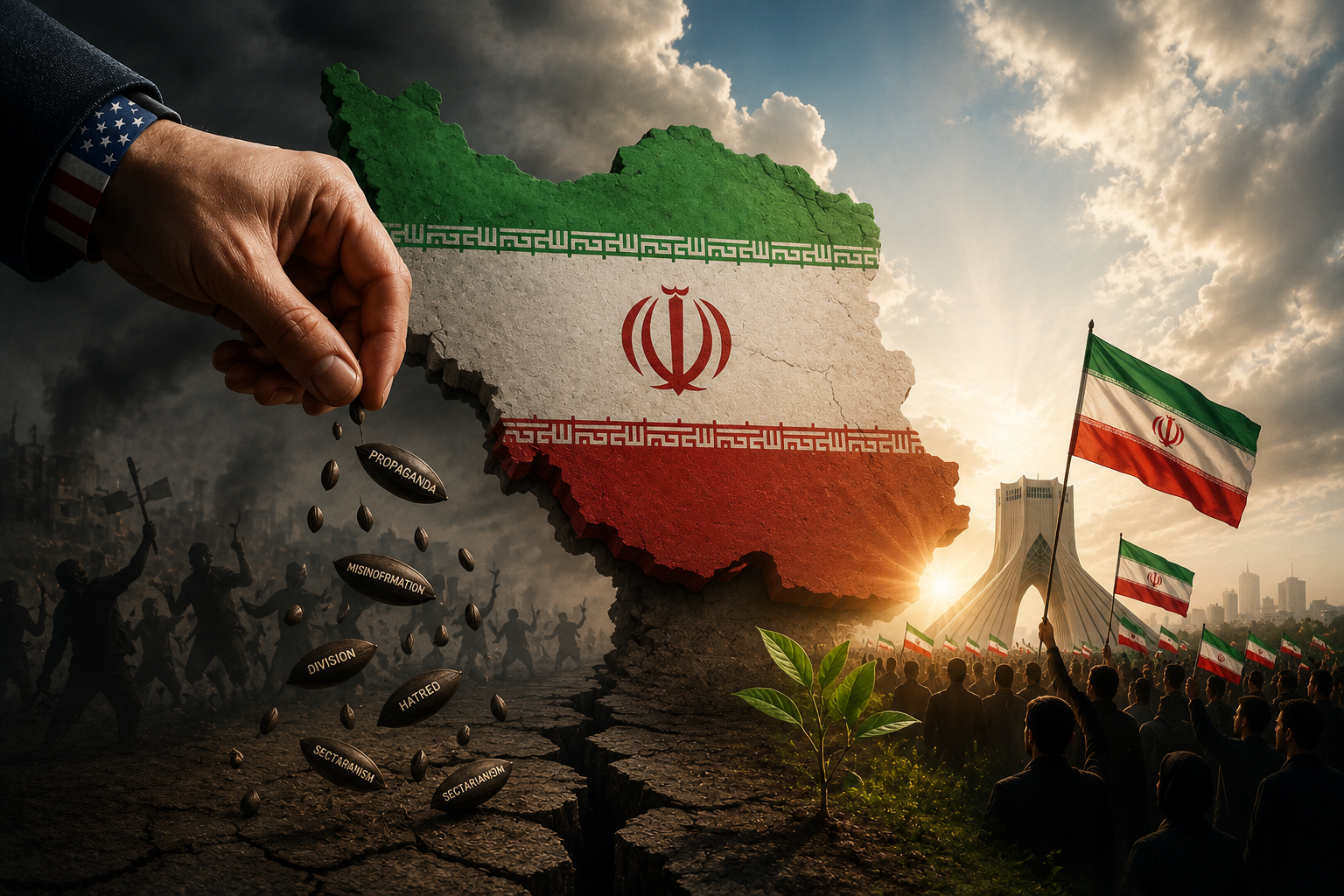
Enemy Sowing Seeds of Division in Iran After Battlefield Defeat
Iran’s Supreme Leader, Mojtaba Khamenei, has warned that foreign adversaries are shifting their strategy from direct confrontation to efforts aimed at creating internal divisions within Iranian society. According to his recent message, enemies who were unable to achieve their objectives on the battlefield are now attempting to weaken Iran through psychological pressure, misinformation, and social discord.
The remarks were delivered during ceremonies marking the anniversary of the death of the founder of the Islamic Republic, Ruhollah Khomeini. Khamenei emphasized that external opponents are seeking to undermine public confidence and reduce national resilience by encouraging distrust and pessimism among the population.
His comments come amid continuing regional tensions and ongoing geopolitical competition involving Iran, the United States, Israel, and various actors across the Middle East.
Enemy Sowing Seeds of Division in Iran Through Psychological Warfare
According to Khamenei, modern conflicts are no longer limited to military operations. Instead, they increasingly involve efforts to influence public opinion and shape perceptions within societies. He argued that after suffering setbacks in direct confrontations, Iran’s opponents have turned their attention toward psychological warfare.
Such tactics, he said, include spreading doubt, fear, frustration, and mistrust among citizens. The goal, from Iran’s perspective, is to weaken national unity and make society more vulnerable to external influence. Khamenei urged Iranians to remain vigilant and avoid actions that could contribute to social fragmentation.
Iranian officials have long maintained that information campaigns and media narratives can be used as strategic tools to influence domestic stability and public attitudes.
The Role of Information and Public Perception
In today’s digital age, information moves rapidly across borders through television networks, websites, and social media platforms. This has created new challenges for governments around the world, as misinformation and coordinated influence campaigns can shape public discourse.
Iranian leadership argues that some foreign actors seek to exploit political disagreements, economic concerns, and social challenges to create deeper divisions within the country. By amplifying negative narratives and encouraging distrust, opponents hope to weaken Iran’s internal cohesion.
Khamenei stressed that preserving public confidence and maintaining social unity are critical elements in confronting these challenges. He warned that widespread pessimism and discouragement ultimately benefit those who seek to weaken the country.
Enemy Sowing Seeds of Division in Iran and Regional Tensions
The Supreme Leader’s message was delivered against the backdrop of a volatile regional environment. Over the past several months, Iran has faced military, political, and economic pressures linked to broader conflicts in the Middle East.
Iranian leaders have repeatedly argued that hostile powers have attempted to isolate the country through sanctions, diplomatic pressure, and military actions. In his recent statement, Khamenei claimed that opponents who failed to achieve decisive results through direct confrontation are now pursuing alternative methods designed to affect Iran from within.
This perspective reflects a broader belief among Iranian officials that national security threats extend beyond conventional warfare and include efforts aimed at influencing public sentiment and social stability.
National Unity as a Strategic Defense
Throughout its modern history, Iran has placed significant emphasis on the concept of national unity. Political leaders frequently describe social cohesion as a key factor in resisting external pressure and maintaining independence.
Khamenei’s message highlighted this theme by calling for unity, awareness, and resilience. He argued that preserving solidarity among citizens can neutralize attempts to create division and prevent adversaries from achieving their objectives through indirect means.
Supporters of this view believe that a united society is better equipped to overcome economic challenges, political disputes, and security concerns. They argue that internal divisions can be exploited by outside actors seeking to influence domestic affairs.
Enemy Sowing Seeds of Division in Iran Through Social Polarization
One of the key concerns expressed by Iranian officials is the possibility of increased social polarization. Political disagreements, economic difficulties, and cultural differences can sometimes create tensions within any society.
According to Khamenei, adversaries may attempt to intensify these differences by encouraging hostility and mistrust between groups. Such efforts, he suggested, are intended to weaken collective resolve and create conditions that favor external interests.
Iranian authorities have therefore encouraged citizens to focus on common national interests and avoid actions that could deepen social divisions. The message emphasized cooperation, mutual understanding, and awareness of potential influence campaigns targeting public opinion.
Looking Ahead: Iran’s Focus on Resilience and Cohesion
As regional challenges continue to evolve, Iranian leadership appears determined to emphasize internal stability as a central national objective. Mojtaba Khamenei’s latest warning reflects concerns that future conflicts may increasingly be fought through information, perception, and influence rather than conventional military engagement alone.
By stressing unity, public awareness, and social cohesion, Iranian officials argue that the country can withstand external pressure and prevent attempts to create discord among its people. Whether viewed through a political, strategic, or social lens, the issue of national resilience remains a central theme in Iran’s response to current regional developments and international tensions.

