

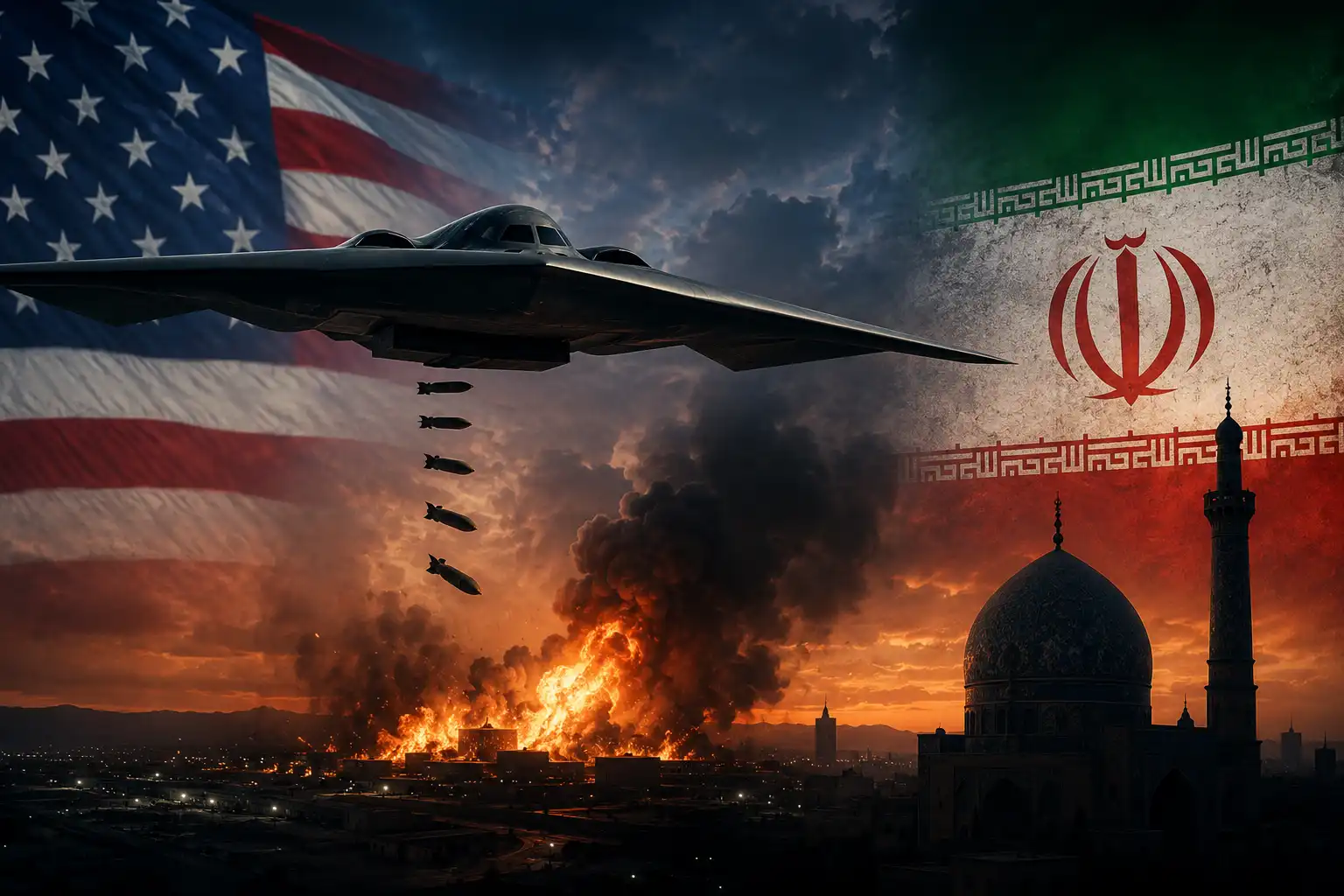
Growing Tensions Between the United States and Iran
The relationship between the United States and Iran has remained tense for decades. Political disagreements, military conflicts, nuclear concerns, and regional influence in the Middle East have repeatedly increased pressure between the two countries. Recently, reports of a new American attack on Iranian-linked targets have once again raised fears about a larger conflict in the region.
Many international observers are now asking an important question: why did the United States launch a new attack on Iran, and could this move destroy the chances of a future peace agreement?
Why Did the United States Launch a New Attack on Iran?
The United States says the latest military operation was carried out in response to threats against American forces and allies in the Middle East. According to American officials, Iranian-backed armed groups were involved in attacks on military bases and strategic locations connected to US interests.
Washington believes these groups receive support, weapons, and training from Iran. Because of this, the United States decided to target facilities that were allegedly connected to those operations. American leaders described the strikes as “defensive actions” designed to prevent further attacks.
However, Iran strongly rejected these accusations. Iranian officials argued that the United States was trying to increase pressure in the region and create instability. Tehran claimed the attacks violated international law and could push the Middle East toward another dangerous crisis.
How the Iran Nuclear Issue Is Connected
The latest tensions are closely linked to Iran’s nuclear program. For years, Western countries have worried that Iran could develop nuclear weapons, while Iran insists its nuclear activities are for peaceful energy purposes only.
In 2015, a major international agreement known as the nuclear deal was signed between Iran and world powers. Under the agreement, Iran accepted limits on its nuclear activities in exchange for relief from economic sanctions.
But in 2018, the United States withdrew from the deal and reimposed severe sanctions on Iran. Since then, relations have worsened significantly. Iran also began reducing its commitments under the agreement, leading to growing international concern.
The new military action has now complicated efforts to restart diplomatic negotiations between both sides.
Is the Possible Peace Deal in Danger?
Many political analysts believe the possibility of a peace agreement is now facing serious challenges. Diplomatic talks require trust, communication, and a willingness to compromise. Military attacks often damage those conditions.
Iranian leaders may now become less willing to negotiate with the United States after the latest strikes. Hardline political groups inside Iran could argue that Washington cannot be trusted. At the same time, American leaders may face pressure from domestic political groups demanding a tougher response against Iran.
Because of these factors, experts fear that future peace negotiations could slow down or completely collapse.
Reactions From the International Community
Several countries and international organizations expressed concern after the attacks. Nations in Europe called for restraint and urged both sides to avoid actions that could lead to war.
The United Nations also emphasized the importance of diplomacy. Many global leaders warned that another large conflict in the Middle East could damage the world economy, increase oil prices, and create humanitarian crises.
Countries such as China and Russia criticized the use of military force and encouraged peaceful negotiations instead. Meanwhile, some American allies defended Washington’s right to protect its military personnel and regional interests.
Impact on the Middle East Region
The Middle East is already facing multiple security and political problems. Conflicts in countries like Syria, Iraq, and Yemen have created instability for many years. Increased tension between the United States and Iran could worsen these situations.
Iran has strong influence through allied groups across the region. If tensions continue to rise, there is concern that proxy conflicts could expand in several countries. This could threaten international trade routes, oil supplies, and civilian safety.
Financial markets also reacted nervously after news of the attacks. Oil prices briefly increased because investors feared possible disruptions in energy production and transportation.
Could Diplomacy Still Succeed?
Despite rising tensions, some experts believe diplomacy is still possible. History shows that even hostile countries sometimes return to negotiations after periods of conflict.
Both Iran and the United States understand that a full-scale war would be costly and dangerous. Economic pressure, regional instability, and international criticism may eventually encourage both sides to resume talks.
Diplomatic channels through European countries or international organizations could help reduce tensions. Secret negotiations and indirect discussions have also played important roles in past agreements between the two countries.
What Happens Next?
The coming months may be critical for the future of US-Iran relations. If both sides continue military actions and aggressive statements, the chances of conflict could increase further. However, if diplomatic efforts restart, there may still be hope for reducing tensions and preventing a larger crisis.
The world is closely watching how Washington and Tehran respond after this latest escalation. Political decisions made now could shape the future of Middle Eastern stability, global energy markets, and international diplomacy for years to come.

