

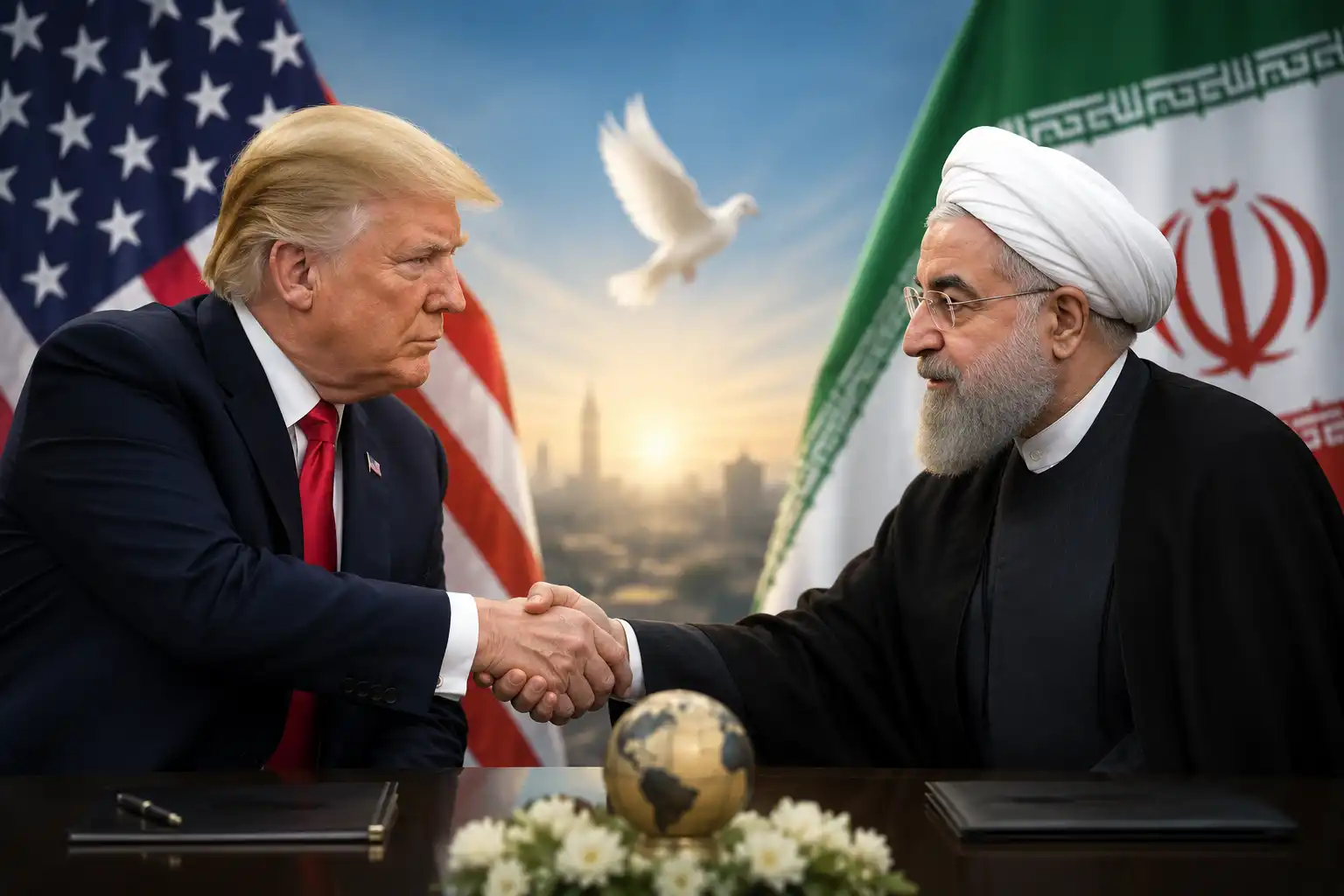
Trump Iran Deal Talks Gain Momentum Amid Diplomatic Efforts
Former US President Donald Trump has claimed that a deal with Iran is “largely” finalized, signaling a possible breakthrough in long-running diplomatic negotiations between Washington and Tehran. The statement has attracted global attention as tensions in the Middle East continue to impact regional stability and international energy markets.
At the same time, Pakistan’s Prime Minister Shehbaz Sharif expressed hope that Pakistan would soon host the next round of negotiations between the United States and Iran. His remarks highlighted Islamabad’s willingness to play a constructive diplomatic role in reducing tensions and encouraging peaceful dialogue.
The development comes at a critical time when global powers are closely monitoring Iran’s nuclear program, sanctions-related issues, and security concerns in the Gulf region.
President Trump Claims Iran Deal Near Completion
Speaking during a public appearance, Donald Trump stated that negotiations with Iran had reached an advanced stage and that both sides were close to achieving an understanding. According to Trump, discussions had made significant progress, and he appeared optimistic about the possibility of finalizing an agreement in the near future.
The former president did not provide complete details regarding the framework of the proposed agreement. However, analysts believe the talks may involve sanctions relief, regional security guarantees, and limits on Iran’s nuclear activities.
Trump’s comments quickly sparked reactions across international diplomatic circles, with many experts suggesting that even partial progress could help reduce instability in the Middle East.
Shehbaz Sharif Hopes to Host Trump-Iran Deal Talks in Pakistan
Prime Minister Shehbaz Sharif welcomed the progress in negotiations and said Pakistan hopes to host the upcoming round of talks. He emphasized the importance of diplomacy, dialogue, and peaceful engagement in resolving international disputes.
Pakistan has traditionally maintained diplomatic relations with both the United States and Iran. By offering to host the negotiations, Islamabad is attempting to position itself as a neutral facilitator capable of supporting regional peace initiatives.
Political observers believe Pakistan’s involvement could improve its diplomatic standing internationally while also strengthening ties with neighboring countries and global powers.
Why the Trump-Iran Deal Matters Globally
The possibility of a Trump-Iran deal carries significant implications for international politics and the global economy. Relations between the United States and Iran have remained tense for years, especially after Washington withdrew from the nuclear agreement signed in 2015.
If a new understanding is reached, it could ease economic sanctions on Iran and potentially stabilize oil markets that have experienced volatility due to geopolitical uncertainty.
A successful agreement may also reduce military tensions in the Gulf region, where conflicts and political rivalries have repeatedly threatened global trade routes and energy supplies.
Experts argue that renewed diplomatic engagement could open doors for wider cooperation on regional security, counterterrorism efforts, and economic partnerships.
Pakistan’s Diplomatic Role in Regional Stability
Pakistan’s willingness to host the negotiations reflects its growing interest in regional diplomacy and peace-building efforts. Over the years, Islamabad has participated in various international mediation initiatives involving neighboring states and major global powers.
Prime Minister Shehbaz Sharif stated that peaceful negotiations remain the best path toward resolving disputes and preventing further escalation in the region. He added that Pakistan supports all efforts aimed at promoting stability and cooperation.
Diplomatic analysts believe hosting the talks would provide Pakistan with an opportunity to showcase its strategic importance in international affairs while encouraging constructive dialogue between rival nations.
International Reaction to Trump-Iran Deal Statements
Trump’s statement regarding the Iran deal has generated mixed reactions internationally. Supporters believe renewed talks could reduce tensions and create opportunities for economic recovery in the region. Critics, however, remain cautious and argue that previous negotiations faced major obstacles and disagreements.
Several international observers noted that any agreement would require careful implementation and monitoring to ensure long-term success. European countries and Gulf states are also expected to closely follow future developments related to the negotiations.
Financial markets reacted cautiously to the reports, particularly energy sectors sensitive to changes in Middle Eastern geopolitics. Oil prices and investor confidence often fluctuate in response to diplomatic developments involving Iran and the United States.
Future Prospects of Trump-Iran Deal Negotiations
Although many challenges remain, the latest statements from Donald Trump and Prime Minister Shehbaz Sharif suggest that diplomatic channels remain active. The possibility of Pakistan hosting future talks has added a new dimension to the ongoing negotiations.
Global attention is now focused on whether both sides can overcome long-standing differences and move toward a mutually acceptable agreement. If successful, the negotiations could mark a significant step toward easing regional tensions and improving international cooperation.
Further announcements regarding the next phase of discussions are expected in the coming weeks as diplomatic efforts continue behind closed doors.

