

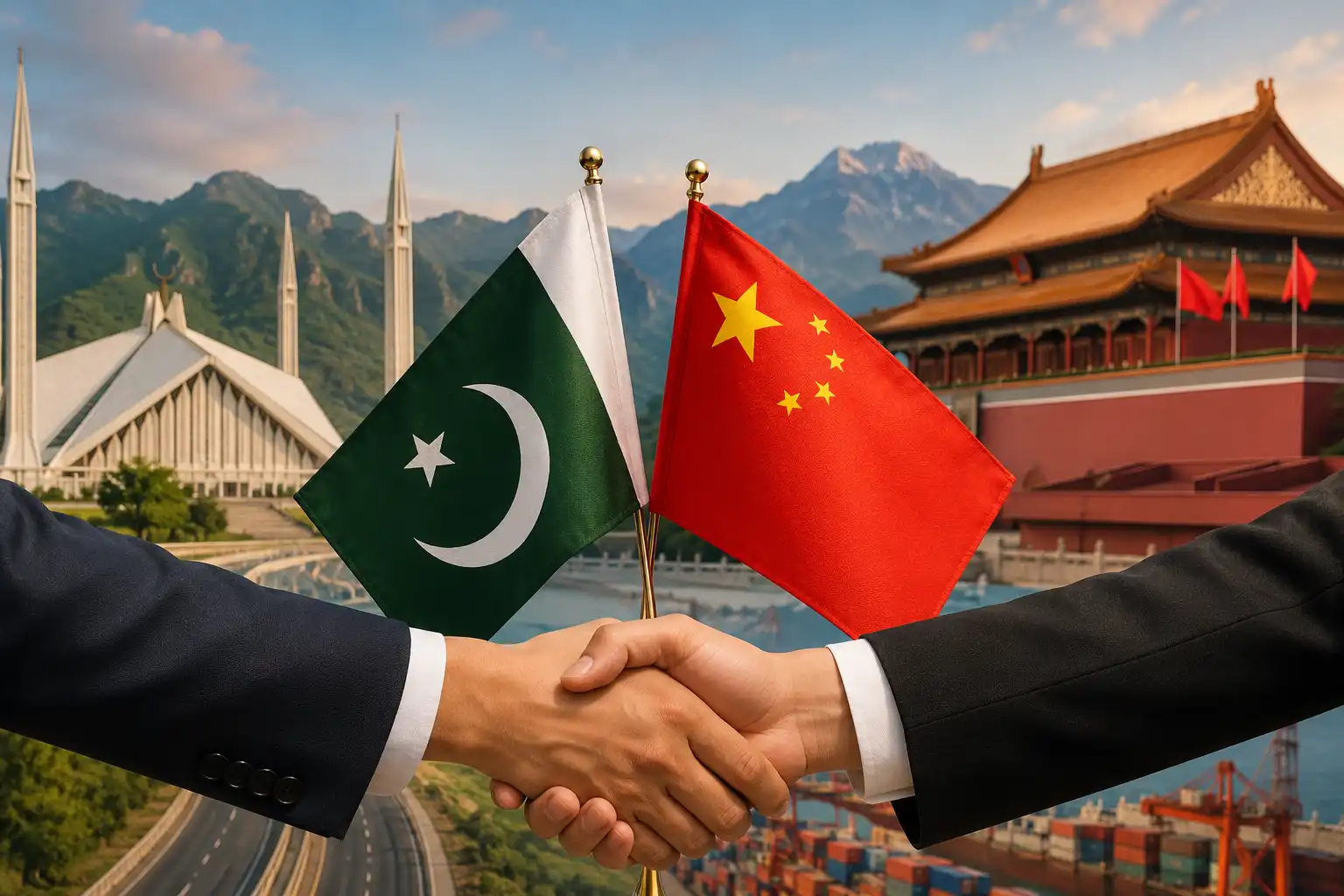
Pakistan China Relations Through the Prime Minister Visit to China
The Prime Minister’s visit to China marked another important chapter in the long-standing friendship between Pakistan and China. During the high-level meetings, leaders from both countries discussed ways to expand cooperation in different sectors including trade, technology, infrastructure, agriculture, energy, and education. The visit highlighted the strong diplomatic and economic ties that have existed between the two nations for decades.
Pakistan and China have always referred to their relationship as an “all-weather strategic partnership.” The recent visit further strengthened this partnership and opened new opportunities for future development projects. Officials from both sides expressed satisfaction over the progress of ongoing projects and agreed to accelerate work in key sectors.
Prime Minister’s Visit to China Focuses on Economic Cooperation
One of the major highlights of the Prime Minister visit to China was the focus on economic collaboration. Both countries agreed to improve bilateral trade and encourage investment opportunities. Chinese companies showed interest in increasing investments in Pakistan’s industrial and manufacturing sectors.
The leaders discussed expanding economic activities under the China-Pakistan Economic Corridor (CPEC), which remains a vital project for regional connectivity and economic growth. Pakistan emphasized the importance of industrial zones, road networks, and modern infrastructure projects that can create employment opportunities and boost the national economy.
Chinese officials assured continued support for Pakistan’s economic stability and development. Agreements were also discussed regarding exports, digital economy initiatives, and financial cooperation between institutions of both countries.
Cooperation in Technology and Innovation
Technology and innovation were also key topics during the Prime Minister’s visit to China. Both countries agreed to enhance collaboration in information technology, artificial intelligence, digital communication, and research programs.
Pakistan aims to benefit from China’s rapid technological progress by introducing modern systems and advanced digital infrastructure. Chinese companies may assist Pakistan in improving telecommunications, smart city projects, and e-commerce platforms.
Educational exchange programs related to science and technology were also discussed. Universities and research institutions from both countries are expected to strengthen partnerships for student training, scholarships, and joint research initiatives.
Energy Sector Discussions During the Prime Minister’s Visit to China
Energy cooperation remained another important area of discussion. Pakistan is currently facing challenges related to electricity production and energy shortages, and China has already played a significant role in supporting Pakistan’s energy infrastructure.
During the meetings, both sides agreed to continue collaboration on renewable energy projects including solar, wind, and hydropower initiatives. The leaders stressed the importance of clean energy solutions for sustainable economic growth and environmental protection.
Chinese investors expressed interest in supporting modern energy projects that can improve Pakistan’s power generation capacity and reduce dependence on expensive fuel imports.
Agricultural Development and Food Security
Agriculture was another important topic during the Prime Minister’s visit to China. Both countries agreed to improve cooperation in modern farming techniques, irrigation systems, seed technology, and livestock development.
China’s experience in agricultural innovation can help Pakistan increase crop production and improve food security. Experts from both sides discussed methods to enhance agricultural productivity through modern machinery and scientific farming practices.
Pakistan also expressed interest in exporting more agricultural products to China. This could provide better opportunities for local farmers and increase foreign exchange earnings for the country.
Education and Cultural Exchanges
Education and cultural relations were also discussed during the official visit. Both countries agreed to expand scholarship programs and academic partnerships between universities.
Chinese language learning centers and student exchange programs are expected to increase in the coming years. Such initiatives can help strengthen people-to-people connections and improve mutual understanding between the citizens of both countries.
Cultural cooperation in media, tourism, arts, and sports was also encouraged. Officials believe that stronger cultural ties can further deepen the friendship between Pakistan and China.
Security and Regional Stability
The leaders also exchanged views on regional peace, security, and international developments. Both countries emphasized the importance of maintaining stability in the region through dialogue and cooperation.
Pakistan appreciated China’s consistent support on important international matters, while China acknowledged Pakistan’s efforts for peace and counter-terrorism. The two sides agreed to continue close coordination on regional and global issues.
Security cooperation related to CPEC projects and the protection of foreign workers was also discussed. Both nations stressed the need for a peaceful environment to ensure successful economic development.
FOLLOW LIVE UPDATES
Future Prospects After the Prime Minister’s Visit to China
The Prime Minister’s visit to China is being viewed as a positive step toward stronger bilateral cooperation and long-term development. Agreements reached during the visit are expected to improve trade, investment, infrastructure, and technological advancement in Pakistan.
Experts believe that enhanced cooperation between Pakistan and China can create new economic opportunities and strengthen regional connectivity. The visit also demonstrated the commitment of both countries to maintaining their strategic partnership and working together for mutual progress and prosperity.

