

Gold Prices in Global and Local Markets
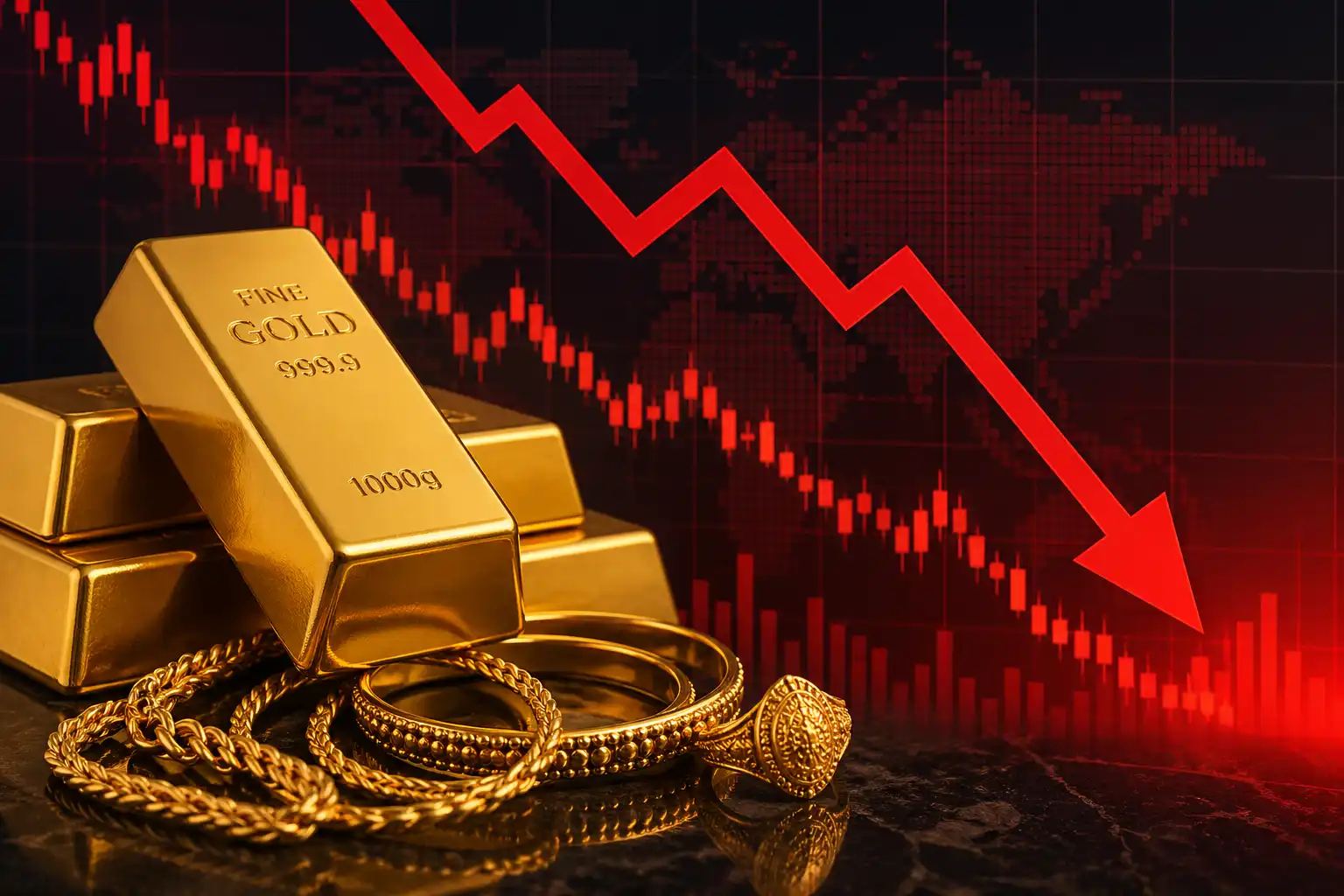
Gold prices have recorded a significant decline for the second consecutive day in both global and local markets, reflecting changing economic dynamics and investor sentiment. The downward trend has caught the attention of traders, investors, and consumers alike, as gold is traditionally considered a safe-haven asset during times of uncertainty. However, recent developments indicate a shift in market behavior, leading to a noticeable drop in prices.
Factors Behind the Decline in Gold Prices in Global and Local Markets
Several key factors are contributing to the continued decline in gold prices in global and local markets. One of the primary reasons is the strengthening of the US dollar, which typically puts downward pressure on gold. Since gold is priced in dollars, a stronger currency makes it more expensive for investors holding other currencies, reducing demand.
Additionally, rising interest rates in major economies have played a significant role. When interest rates increase, investors often move their funds toward interest-bearing assets such as bonds, reducing the appeal of non-yielding assets like gold. This shift in investment strategy has further accelerated the decline in gold prices.
Another contributing factor is the relative stability in global economic conditions. As fears of recession ease and stock markets show signs of recovery, investors are less inclined to seek refuge in gold. This reduced demand has directly impacted the price trend in international markets.
Impact on Local Gold Markets
The decline in gold prices in global and local markets has also been reflected in domestic markets. In many countries, including Pakistan, local gold prices are closely linked to international rates, along with currency exchange fluctuations. As global prices fall, local markets naturally follow suit.
For consumers, this drop presents an opportunity to purchase gold at relatively lower prices. Jewelers and traders have reported increased customer interest, particularly from those looking to invest or buy jewelry for upcoming events and weddings. However, despite the decline, market activity remains cautious, as buyers anticipate further price reductions.
On the other hand, gold traders and investors are experiencing mixed reactions. While lower prices may encourage buying, those holding existing gold stocks are facing potential losses. This has created a sense of uncertainty within the local trading community.
Investor Sentiment and Market Trends
Investor sentiment plays a crucial role in shaping the direction of gold prices in global and local markets. Currently, the market is witnessing a shift from risk-averse to risk-taking behavior. As global economic indicators improve and inflation concerns show signs of easing, investors are exploring alternative investment options.
Moreover, central banks’ policies continue to influence gold prices. Any signals regarding monetary tightening or easing can have an immediate impact on gold demand. Recent indications of prolonged higher interest rates have discouraged large-scale investment in gold, contributing to the ongoing decline.
Market analysts suggest that volatility may persist in the coming days. While some expect a short-term rebound due to bargain buying, others believe that the downward trend could continue if current economic conditions remain unchanged.
Currency Fluctuations and Their Role
Currency exchange rates are another critical factor affecting gold prices in global and local markets. In countries where the local currency weakens against the US dollar, gold prices may not decline as sharply as in international markets. Conversely, a stable or strengthening local currency can amplify the impact of falling global prices.
In Pakistan, fluctuations in the rupee against the dollar have influenced the extent of price changes in the domestic gold market. Even with a global decline, local adjustments depend heavily on currency movements, making price predictions more complex.
Market Outlook and Future Expectations
Looking ahead, the future of gold prices in global and local markets will largely depend on macroeconomic indicators such as inflation, interest rates, and geopolitical developments. Any unexpected global tensions or economic instability could quickly revive demand for gold, reversing the current downward trend.
Traders are closely monitoring upcoming economic data releases and central bank decisions, as these will provide clearer direction for the market. In the short term, cautious trading is expected, with investors waiting for more stable signals before making significant moves.
Key Takeaways for Buyers and Investors
The recent decline in gold prices in global and local markets offers both opportunities and challenges. Buyers may benefit from lower prices, especially those planning long-term investments or purchasing jewelry. However, investors should remain cautious and consider market trends before making decisions.
Understanding the factors driving price movements is essential for navigating the gold market effectively. Whether the current decline continues or reverses, staying informed and adaptable will be key for anyone involved in gold trading or investment.

