

US to Blockade Iran Ports from Monday as Trump Says He Doesn’t Care if Tehran Returns to Talks
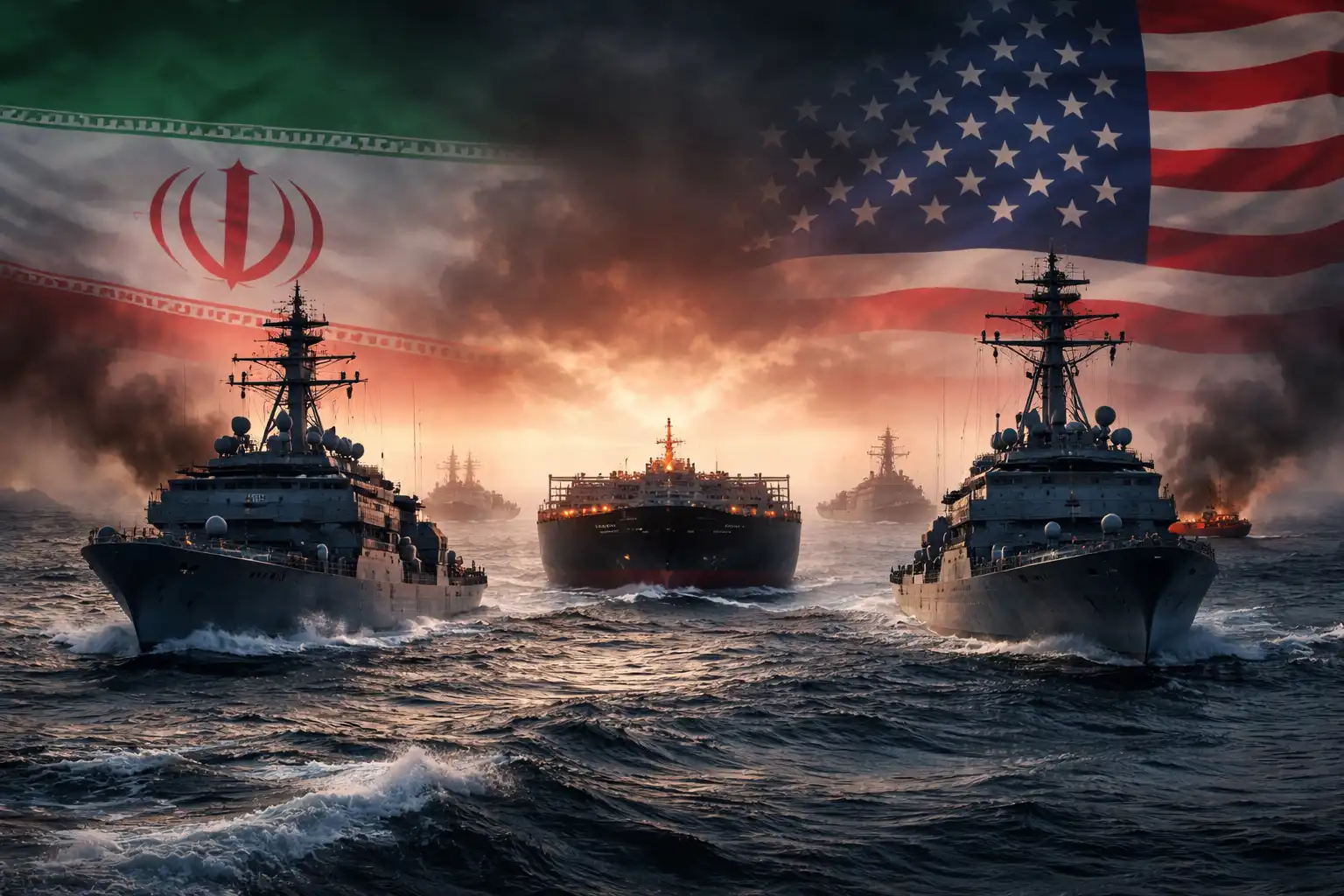
The United States is set to impose a sweeping naval blockade on Iran’s ports starting Monday, marking a major escalation in tensions between Washington and Tehran. The move follows the collapse of high-level negotiations that were aimed at reducing hostilities and addressing long-standing disputes over Iran’s nuclear program and regional influence. The decision signals a shift toward a more aggressive strategy focused on economic and military pressure rather than immediate diplomacy.
Why the US to Blockade Iran’s Ports from Monday Decision Was Taken
The decision for the US to blockade Iran’s ports from Monday comes after talks between the two sides ended without any breakthrough. Key disagreements centered around uranium enrichment limits, sanctions relief, and broader regional security concerns. US officials pushed for stricter controls, while Iran rejected what it viewed as excessive demands that could undermine its sovereignty.
With negotiations stalled, the US administration opted to increase pressure through maritime restrictions. The blockade is designed to significantly reduce Iran’s ability to export oil and conduct international trade, both of which are critical to its economy. By targeting ports, the US aims to cut off one of Iran’s most vital economic lifelines.
How the US to Blockade Iran’s Ports from Monday Will Work
Under the new plan, US naval forces will monitor and restrict vessels attempting to enter or leave Iranian ports. This includes major ports along both the Arabian Gulf and the Gulf of Oman. The enforcement strategy involves surveillance, interception, and potential diversion of ships suspected of engaging in trade with Iran.
Officials have stated that the blockade will be applied broadly, meaning vessels from any country could be affected if they attempt to dock in Iran. However, ships passing through key waterways like the Strait of Hormuz without heading to Iranian ports are expected to be allowed safe passage. This distinction is critical to avoid disrupting global trade entirely while still targeting Iran’s maritime activities.
Trump’s Position as US to Blockade Iran’s Ports from Monday Begins
President Donald Trump has taken a firm and unapologetic stance on the issue. He indicated that the United States is not concerned about whether Iran returns to negotiations, suggesting that Washington is prepared for a prolonged standoff. His remarks reflect a strategy that prioritizes pressure over compromise.
Trump also warned that any hostile action by Iran in response to the blockade would be met with a strong and immediate reaction. The administration has framed the move as necessary to counter threats to regional stability and maritime security. This messaging highlights a broader effort to justify the blockade as both a defensive and strategic measure.
Global Impact of US to Blockade Iran’s Ports from Monday
The announcement has already created ripples across global markets, particularly in the energy sector. Oil traders and shipping companies are closely watching developments, as the region plays a crucial role in global oil supply. Even limited disruptions can lead to price fluctuations and increased uncertainty.
Shipping routes are being reassessed as companies seek to minimize risk. Some vessels have reportedly begun avoiding areas near Iranian waters altogether, which could lead to longer transit times and higher transportation costs. These changes may have a cascading effect on global trade, influencing everything from fuel prices to supply chain stability.
Countries that rely heavily on energy imports are especially concerned about potential disruptions. The situation has also prompted discussions among international stakeholders about how to maintain stability while avoiding further escalation.
Iran’s Reaction to US to Blockade Iran’s Ports from Monday
Iran has strongly criticized the US decision, calling it a provocative step that undermines diplomatic efforts. Officials in Tehran have stated that while they remain open to negotiations, any agreement must respect their national interests and international law.
At the same time, Iran has warned that enforcing the blockade could lead to serious consequences. Military leaders have suggested that certain actions may be viewed as violations of existing understandings, raising the risk of confrontation. The tone from Tehran indicates both resistance and caution, as leaders weigh their response to the unfolding situation.
Strategic Developments as US to Blockade Iran’s Ports from Monday Unfolds
As the blockade begins, attention is turning to how events will develop on the ground. Military movements, shipping patterns, and diplomatic signals are all being closely monitored. The effectiveness of the blockade will depend on enforcement and international cooperation, while Iran’s response will play a key role in shaping the next phase.
Behind the scenes, diplomatic channels may still remain active, even as public statements suggest a hardened stance on both sides. The coming days are likely to test not only military strategies but also the resilience of global economic systems and the willingness of international actors to engage in conflict prevention.

