

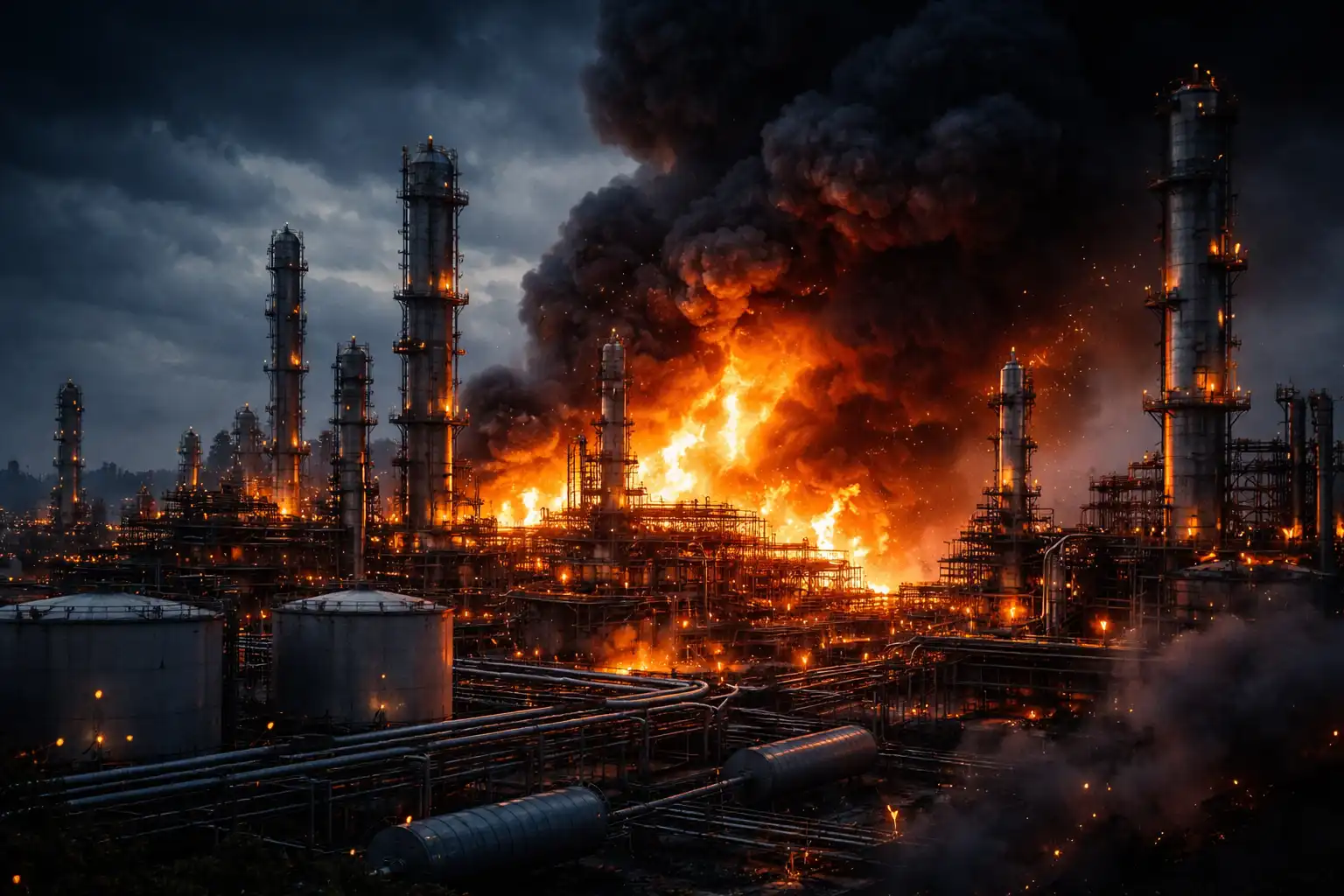
Attack on Petrochemical Plant in Tabriz
The recent attack on the petrochemical plant in Tabriz has drawn global attention, highlighting the fragile geopolitical environment in the Middle East. According to preliminary reports, the plant, one of the largest industrial facilities in the region, sustained significant damage, disrupting production and supply chains. The incident reportedly involved coordinated airstrikes, allegedly carried out by U.S. and Israeli forces, though both nations have yet to issue a formal acknowledgment.
Tabriz, historically known for its strategic industrial zones, is a hub for petrochemical and energy-related production. Any disruption to its operations has the potential to impact both regional and international markets. Analysts argue that targeting a petrochemical facility signals a deliberate strategy to weaken critical infrastructure, escalating economic and political tensions simultaneously.
Strategic Importance of Tabriz’s Petrochemical Sector
Economic Significance of the Petrochemical Industry in Tabriz
The petrochemical industry in Tabriz is a cornerstone of Iran’s economic framework. The region produces large quantities of polymers, chemical intermediates, and refined oil products. An attack on this sector directly affects export capabilities and domestic industrial operations. Economists warn that prolonged disruption could lead to increased global oil prices and a ripple effect on international markets.
Energy Security Concerns
The attack on the petrochemical plant in Tabriz raises urgent energy security concerns. Petrochemical facilities are critical not only for national energy stability but also for the production of raw materials essential for manufacturing and construction. Any prolonged shutdown can exacerbate regional shortages and create vulnerabilities in energy-dependent industries across neighboring countries.
Alleged U.S. and Israeli Involvement
Geopolitical Motives Behind the Attack on Petrochemical Plant in Tabriz
Although official statements remain scarce, geopolitical analysts point to U.S. and Israeli involvement as part of broader regional strategies. The alleged motives include restricting Iran’s industrial capacity, demonstrating military capabilities, and reinforcing political leverage in ongoing negotiations concerning regional security. Military analysts suggest that the choice of a petrochemical plant as a target was likely intended to disrupt economic stability while avoiding direct human casualties.
Historical Context of Similar Strikes
Historically, industrial facilities in the Middle East have been targeted to exert pressure on governments or alter strategic calculations. Similar attacks in past decades have often resulted in temporary setbacks for national economies but rarely led to long-term industrial collapse. The current attack on the petrochemical plant in Tabriz fits this pattern of strategic disruption rather than outright destruction.
Immediate Impact of the Attack on Petrochemical Plant in Tabriz
Operational and Environmental Consequences
Initial assessments indicate that the facility has suffered structural damage to several production units. The immediate operational impact includes halted production lines, reduced output, and logistical challenges in transporting raw materials. Additionally, environmental authorities have expressed concern over potential chemical leaks or toxic emissions resulting from the strike, emphasizing the need for urgent containment measures.
Socioeconomic Ramifications
The attack on the petrochemical plant in Tabriz has immediate socioeconomic ramifications. Thousands of employees may face temporary unemployment, and local businesses relying on plant outputs could experience severe shortages. The ripple effect could extend to international markets, especially those importing specialty chemical products from Tabriz.
Global Reactions to the Attack
Diplomatic and Political Responses
International observers have condemned the attack, urging restraint and dialogue to prevent further escalation. The United Nations and several European nations have called for thorough investigations to determine responsibility and ensure accountability. Diplomatic tensions between Iran and Western allies have intensified, with discussions on sanctions and military preparedness gaining momentum.
Market Volatility Following the Attack
Following news of the attack on the petrochemical plant in Tabriz, global markets have exhibited noticeable volatility. Oil futures and chemical commodity prices surged as traders anticipated supply disruptions. Analysts predict that short-term instability could persist until the plant’s operations are restored and regional tensions are de-escalated.
FOLLOW LIVE UPDATE
Key Insights on the Attack on Petrochemical Plant in Tabriz
- The attack highlights the vulnerability of critical infrastructure in geopolitically tense regions.
- Energy security and industrial stability are directly affected, with potential global economic repercussions.
- Alleged U.S. and Israeli involvement signals a strategic effort to influence regional dynamics without triggering large-scale conflict.
- Immediate operational, environmental, and socioeconomic impacts underscore the need for comprehensive risk mitigation strategies.
- Global diplomatic and market reactions indicate the interconnected nature of regional events and international interests.

