

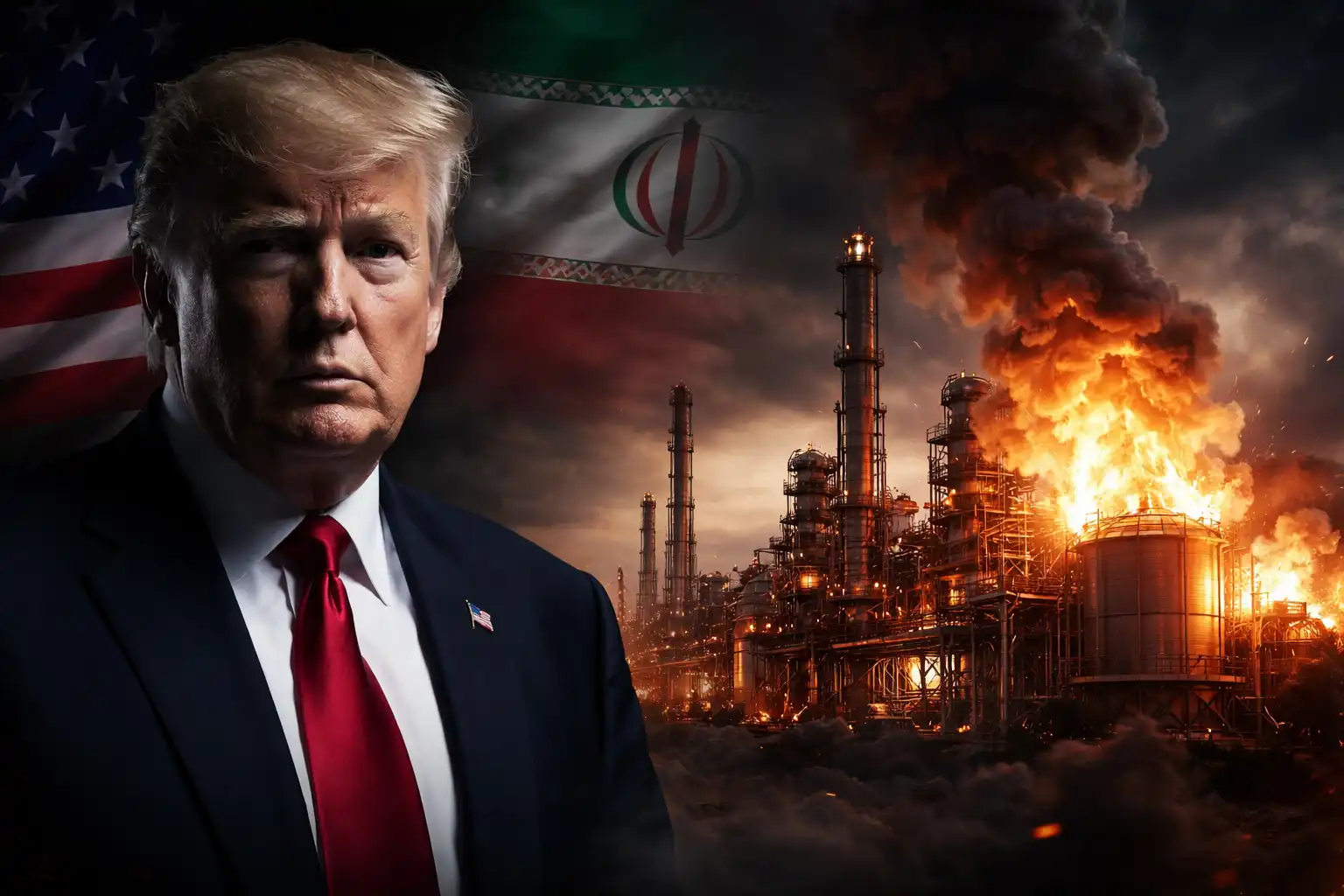
Trump Delays Iran Energy Facility Strikes Until April 6
The recent announcement that Donald Trump has decided to postpone potential strikes on Iran’s energy infrastructure until April 6 has drawn global attention. The development signals a critical pause in escalating tensions between the United States and Iran, offering a narrow window for diplomacy while raising questions about future military action. The delay comes at a time when geopolitical stakes in the Middle East remain exceptionally high.
Background of US-Iran Tensions
Relations between the United States and Iran have been strained for decades, particularly following the collapse of the Iran Nuclear Deal. Since then, both nations have engaged in a series of confrontations, ranging from economic sanctions to indirect military engagements. Energy facilities have often been viewed as strategic targets due to their economic and symbolic importance. Trump’s decision to delay action indicates that even amid tension, strategic calculations are being carefully reconsidered.
Why Trump Delays Iran Energy Facility Strikes Matters
The decision to delay military action is not merely a tactical move but a reflection of broader strategic considerations. By postponing strikes, Donald Trump appears to be weighing multiple factors, including international pressure, potential economic fallout, and the risk of a wider regional conflict. The delay may also provide an opportunity for allies to engage in diplomatic efforts aimed at de-escalation.
Another important aspect is the global energy market. Any disruption to Iran’s energy infrastructure could lead to significant fluctuations in oil prices, impacting economies worldwide. By delaying action, the administration may be attempting to stabilize market expectations while keeping military options open.
International Response to Trump Delays Iran Energy Facility Strikes
The international community has responded cautiously to the announcement. European allies, many of whom have consistently advocated for diplomatic solutions, have welcomed the delay as a positive step. Countries in the Gulf region, however, remain on high alert due to their proximity to potential conflict zones.
Organizations such as the United Nations have emphasized the importance of dialogue and restraint. The delay aligns with calls from global leaders urging both sides to avoid actions that could escalate into a full-scale conflict.
Defense Analysis on Trump Delays Iran Energy Facility Strikes
From a military perspective, delaying strikes can serve several purposes. It allows time for further intelligence gathering, operational planning, and coordination with allies. It also sends a signal to Iran that while immediate action is postponed, the threat has not been removed.
For Iran, the delay offers a chance to reassess its defensive posture and potentially engage in diplomatic outreach. However, it may also lead to increased military preparedness, as uncertainty often drives nations to strengthen their defenses.
Market Reactions to Trump Delays Iran Energy Facility Strikes
Global financial markets reacted with cautious optimism following the announcement. Oil prices, which often spike during periods of geopolitical tension, showed signs of stabilization. Investors interpreted the delay as a temporary easing of immediate conflict risks.
Energy analysts note that Iran’s role in global oil supply makes any threat to its infrastructure highly significant. By delaying action, the United States may be attempting to prevent sudden disruptions that could harm not only regional economies but also global markets.
Can Trump Delays Iran Energy Facility Strikes Lead to Dialogue?
The postponement opens a limited but window for diplomacy. Both direct and indirect negotiations could take place during this period, potentially involving intermediaries or international organizations. However, longstanding mistrust between the two nations presents a significant barrier to meaningful progress.
Diplomatic efforts will require careful balancing of interests, with both sides needing to demonstrate flexibility without appearing weak. The coming days will be crucial in determining whether this delay leads to constructive engagement or merely postpones an inevitable confrontation.
Future Outlook Following Trump Delays Iran Energy Facility Strikes
As April 6 approaches, attention will shift toward the next steps. Will the delay result in renewed negotiations, or will it simply mark the countdown to military action? The answer will depend on developments in diplomatic channels, intelligence assessments, and political calculations in Washington and Tehran.
The situation remains fluid, with multiple possible outcomes. Observers will be closely monitoring statements from key stakeholders, movements in the region, and any signs of escalation or de-escalation. One thing is certain: the decision to delay has added a new layer of complexity to an already volatile situation, keeping the world watching closely.

