

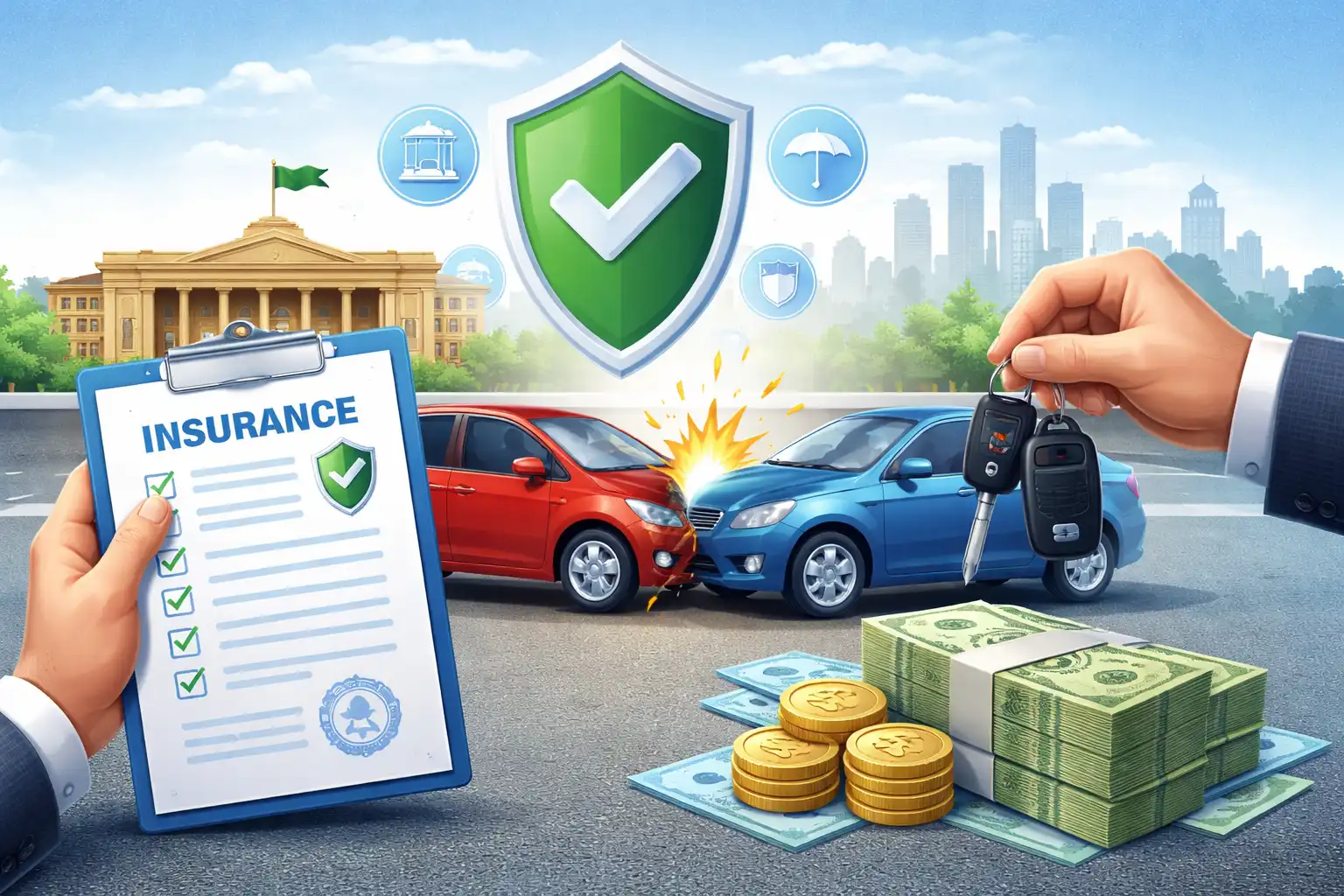
Sindh Govt Makes Third Party Vehicle Insurance Mandatory
The Sindh government has announced a major step aimed at improving road safety and ensuring financial protection for victims of road accidents. Under the new policy, third-party vehicle insurance has been made mandatory for all vehicles operating in the province. This decision is part of broader efforts to regulate traffic, strengthen enforcement of motor vehicle laws, and reduce the financial burden that accidents often place on victims and their families.
Why Sindh Govt Makes Third-Party Vehicle Insurance Mandatory
The decision that Sindh govt makes third-party vehicle insurance mandatory is primarily intended to protect individuals who suffer injuries or property damage in road accidents. In many cases, victims of accidents struggle to receive compensation because the responsible driver may not have the financial capacity to cover medical costs or repair damages.
Third-party insurance ensures that victims can receive compensation from an insurance company instead of relying solely on the driver responsible for the accident. By making this insurance compulsory, the Sindh government hopes to create a more reliable system for handling accident-related claims and ensuring justice for those affected.
Another key objective is to bring the province in line with international road safety practices. Many countries require vehicles to have at least third-party insurance coverage before they can legally operate on public roads.
What the Policy Means After Sindh Govt Makes Third-Party Vehicle Insurance Mandatory
After the announcement that Sindh govt makes third-party vehicle insurance mandatory, all vehicle owners in the province will be required to obtain valid third-party insurance coverage. This rule applies to private cars, motorcycles, commercial vehicles, and other types of registered motor vehicles.
Vehicle owners must purchase insurance from a licensed insurance company. The policy will cover damages or injuries caused to another person, their vehicle, or their property during an accident involving the insured vehicle.
Benefits of the Decision as Sindh Govt Makes Third-Party Vehicle Insurance Mandatory
The move to ensure that Sindh govt makes third-party vehicle insurance mandatory offers several benefits for both drivers and the general public. One of the most important advantages is financial protection for accident victims. Medical treatment and vehicle repairs can be extremely expensive, and insurance coverage ensures that victims have a clear channel for compensation.
The policy also promotes responsible driving behavior. When drivers know that insurance records and accident claims are being monitored, they may become more cautious on the road. This can potentially reduce the number of accidents and encourage adherence to traffic laws.
Challenges After Sindh Govt Makes Third-Party Vehicle Insurance Mandatory
While the policy is widely viewed as a positive step, there may be certain challenges as Sindh govt makes third-party vehicle insurance mandatory. One potential concern is public awareness. Many vehicle owners, particularly motorcycle riders and individuals in rural areas, may not fully understand how insurance works or why it is necessary.
Another challenge could be affordability for low-income drivers. Even though third-party insurance is generally less expensive than comprehensive coverage, some individuals may still consider it an additional financial burden. To address this issue, authorities may need to work with insurance providers to offer affordable plans.
FOLLOW LIVE UPDATES
Future Outlook After Sindh Govt Makes Third-Party Vehicle Insurance Mandatory
The decision that Sindh govt makes third-party vehicle insurance mandatory marks an important step toward improving road safety and financial accountability in the province. If implemented successfully, the policy could reduce disputes following accidents and provide quicker financial relief to victims.
In the long term, the government may consider integrating insurance verification with digital vehicle registration systems. Such measures could simplify compliance and make it easier for authorities to track uninsured vehicles.

