

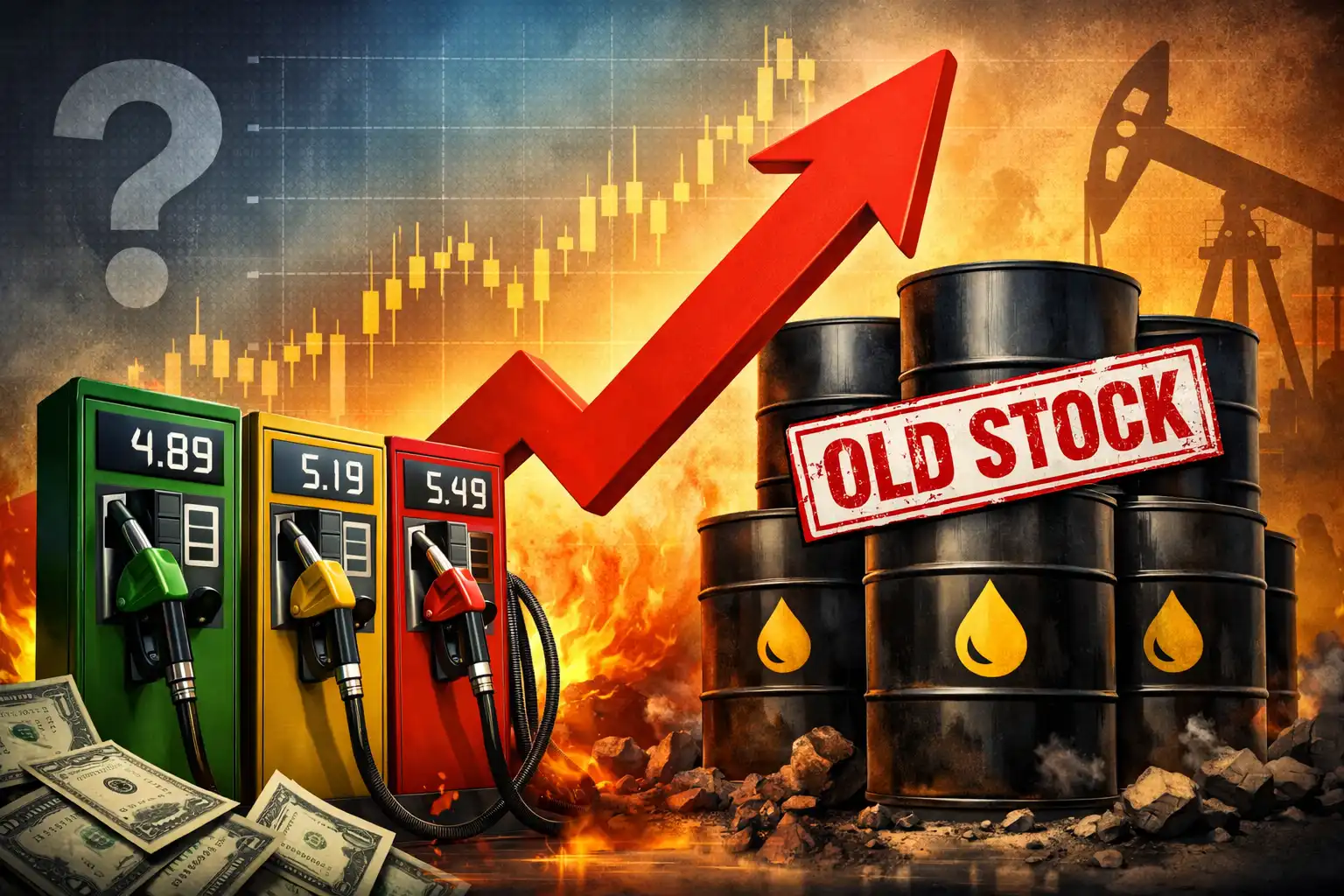
Industry Questions Fuel Price Surge Despite Old Stocks
The sudden rise in fuel prices has triggered strong reactions from industry stakeholders, who are questioning the justification behind the increase despite the availability of older fuel stocks. According to several industry representatives, large volumes of fuel currently available in the market were imported earlier when international oil prices were significantly lower. This situation has raised concerns about whether the recent price surge accurately reflects real supply costs or if other factors are influencing the pricing structure. As fuel prices directly impact transportation, manufacturing, and household expenses, the issue has become a major topic of discussion among policymakers, businesses, and consumers.
Background | Industry Questions Fuel Price Surge Despite ‘Old Stocks’
Fuel pricing systems in many countries are linked to global crude oil prices, currency exchange rates, and government taxes. Normally, when international oil prices rise, domestic fuel prices also increase to reflect higher import costs. However, industry experts argue that the current increase appears unusual because a significant portion of the available supply was purchased earlier at lower prices.
This has led to growing criticism from industry observers who believe that the price adjustments should consider the cost of existing inventory rather than only future imports.
Supply Chain Dynamics
One of the central issues raised by industry analysts is how the fuel supply chain handles pricing adjustments. Oil marketing companies usually maintain storage reserves that can last for several weeks. These reserves are intended to stabilize supply and protect markets from sudden disruptions.
However, critics claim that when fuel prices increase immediately after international rates rise, the pricing mechanism ignores the presence of older inventory. If fuel purchased at lower prices is still being sold, they argue that prices should adjust gradually rather than suddenly.
Transparency Issues
Transparency in the fuel pricing system has become another major concern in the debate. Industry stakeholders believe that clearer information about inventory levels and procurement costs could help explain the reasons behind sudden price increases.
At present, many consumers and analysts feel that the pricing structure is difficult to understand because the exact breakdown of costs is not always publicly available. Greater transparency regarding import prices, storage costs, transportation charges, and tax components could improve public trust and reduce speculation about unfair pricing practices.
Government Policies
Government policies play a crucial role in determining fuel prices. In many cases, authorities allow oil marketing companies to adjust prices periodically based on international market conditions.
Industry experts suggest that policymakers should review existing pricing frameworks to ensure that they protect both market stability and consumer interests. A balanced policy approach could help prevent unnecessary price volatility while still maintaining a healthy energy market.
Economic Impact
The impact of rising fuel prices is felt across the entire economy. Transportation costs often increase first, affecting public transport fares, logistics services, and freight charges. As businesses face higher operational costs, they frequently pass these expenses on to consumers through increased prices for goods and services.
Manufacturing industries are particularly sensitive to fuel price changes because energy is a key component of production. Higher fuel costs can reduce profit margins and slow down industrial activity.
Possible Solutions
To address these concerns, industry analysts suggest several possible solutions. One option is to adopt a pricing model that takes into account the average cost of fuel stocks currently available in the market. This approach would ensure that price adjustments reflect both existing inventory and future import costs.
Another solution involves improving transparency by requiring oil companies to publicly report their inventory levels and procurement prices.
Conclusion | Industry Questions Fuel Price Surge Despite ‘Old Stocks’
The debate surrounding rising fuel prices highlights the importance of transparency, fair pricing, and effective regulatory oversight in the energy sector. While international oil prices and market conditions undoubtedly influence domestic fuel costs, industry stakeholders argue that the presence of older fuel stocks should also be considered when determining prices.

