

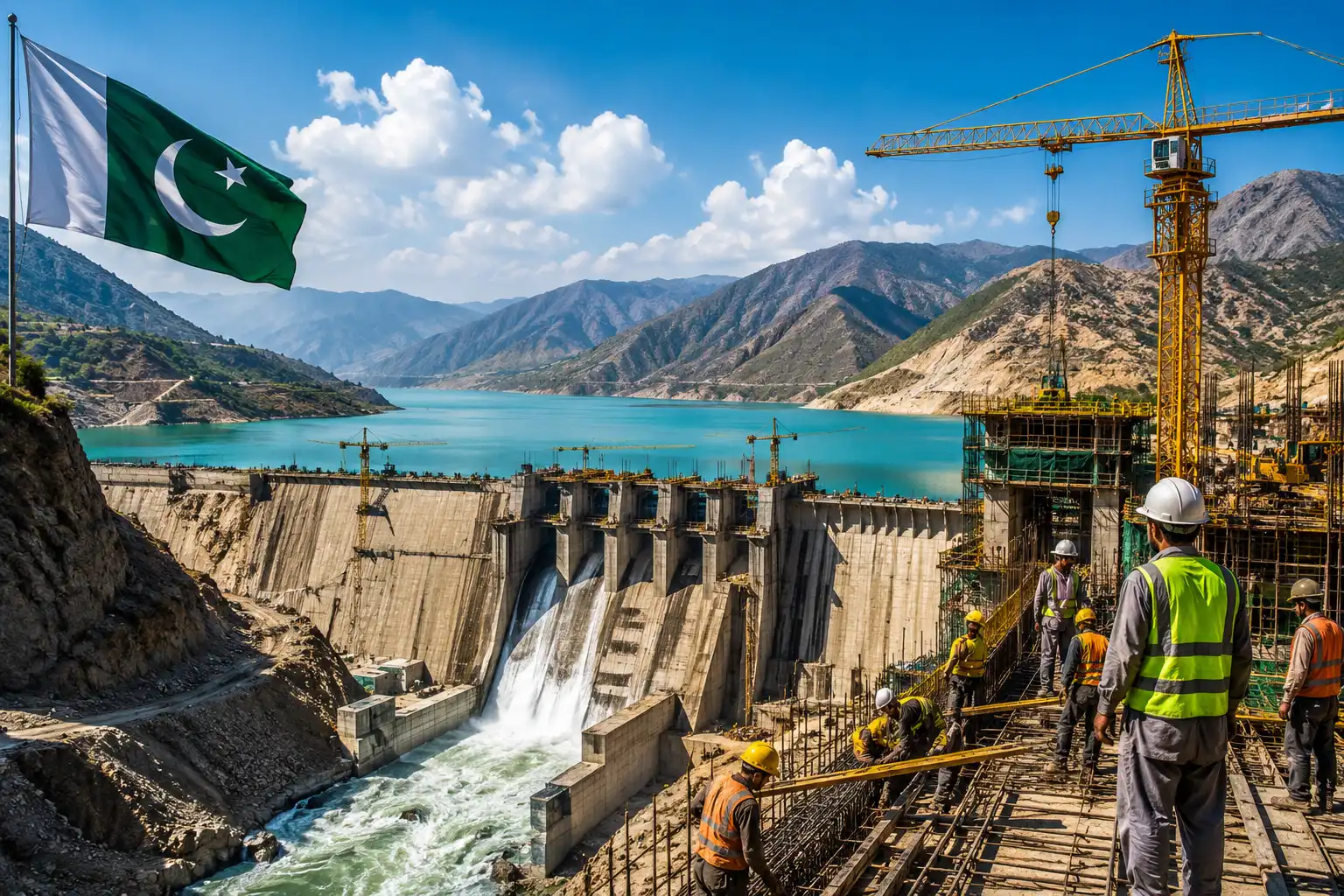
Work Accelerates on Dam Projects to Increase Water Storage Capacity in Pakistan
Pakistan is taking significant steps to address its growing water challenges by accelerating work on major dam projects across the country. As water demand continues to rise due to population growth, urbanization, and agricultural needs, the importance of increasing water storage capacity has become more critical than ever. The government and relevant authorities are focusing on the timely completion of several large-scale dams to ensure long-term water security and sustainable development.
Importance of Dam Projects in Pakistan for Water Security
Water is one of Pakistan’s most valuable natural resources, supporting agriculture, industry, and daily life. However, the country faces recurring water shortages due to limited storage capacity, changing weather patterns, and inefficient water management systems. Experts have repeatedly emphasized the need for additional reservoirs to capture and store water during periods of heavy rainfall and snowmelt.
Dam projects play a vital role in addressing these concerns. They help store excess water that can later be used during dry seasons, reducing the risk of water scarcity. In addition, dams contribute to flood control by regulating water flow and minimizing damage caused by seasonal flooding.
Major Dam Projects in Pakistan Under Development
Several important dam projects are currently under construction or nearing completion. These projects are designed to enhance water storage, improve irrigation systems, and generate clean hydroelectric power.
Among the most prominent projects are the Diamer-Bhasha Dam, Mohmand Dam, and other regional water infrastructure developments. These dams are expected to add millions of acre-feet of water storage capacity while also contributing to the national power grid through renewable energy generation.
The Diamer-Bhasha Dam, in particular, is considered one of the largest infrastructure projects in the country. Once completed, it will significantly increase Pakistan’s ability to store water and help reduce the impact of future water shortages.
Economic Benefits of Dam Projects in Pakistan
The construction of dams offers numerous economic advantages. Large infrastructure projects create thousands of employment opportunities for engineers, technicians, construction workers, and support staff. Local businesses also benefit from increased economic activity in project areas.
In the long term, improved water availability supports agricultural productivity, which remains a key component of Pakistan’s economy. Reliable irrigation systems can help farmers achieve higher crop yields and reduce losses caused by drought conditions.
Furthermore, hydroelectric power generated by dams can reduce dependence on imported fuels, lowering energy costs and strengthening national energy security. Clean energy production also contributes to environmental sustainability by reducing greenhouse gas emissions.
How Dam Projects in Pakistan Support Agriculture
Agriculture is the backbone of Pakistan’s economy and depends heavily on a stable water supply. Many farming regions experience water shortages during critical growing seasons, affecting crop production and farmer incomes.
Dam projects provide a reliable source of irrigation water by storing surplus water during wet periods. This stored water can then be distributed through canals and irrigation networks when needed. Improved water management helps farmers plan their cultivation activities more effectively and increases overall agricultural efficiency.
The availability of additional water resources can also encourage the cultivation of high-value crops, contributing to rural economic development and food security.
Environmental Impact of Dam Projects in Pakistan
While dam construction offers many benefits, environmental considerations remain important. Large-scale infrastructure projects can affect local ecosystems, wildlife habitats, and surrounding communities. As a result, environmental impact assessments are typically conducted before construction begins.
Modern dam projects increasingly incorporate environmental protection measures, including reforestation programs, wildlife conservation initiatives, and sustainable water management practices. Authorities are working to balance development goals with environmental preservation to ensure that projects deliver long-term benefits without causing significant ecological damage.
Additionally, hydroelectric dams produce renewable energy, which helps reduce reliance on fossil fuels and supports global efforts to combat climate change.
Challenges Facing Dam Projects in Pakistan
Despite ongoing progress, several challenges continue to affect the pace of dam construction. Financial constraints, technical complexities, land acquisition issues, and logistical difficulties can delay project timelines.
Pakistan’s mountainous terrain presents engineering challenges for many dam sites. Constructing large structures in remote areas requires extensive planning, transportation networks, and specialized equipment. Funding requirements for major dams are also substantial, often necessitating long-term investment commitments.
However, government agencies and project stakeholders are working closely to overcome these obstacles and ensure that critical water infrastructure projects remain on schedule.
Government Efforts to Accelerate Dam Projects in Pakistan
Recognizing the urgency of water security, authorities have prioritized the development of strategic dam projects. Increased funding allocations, improved project management practices, and stronger coordination among relevant departments have helped accelerate construction activities.
Public awareness campaigns have also highlighted the importance of water conservation and infrastructure development. These efforts aim to build national support for projects that are essential for the country’s future economic growth and resource sustainability.
The government continues to emphasize the completion of key dams as part of its broader strategy to strengthen water management and reduce vulnerability to climate-related challenges.
Future Outlook for Dam Projects in Pakistan
The continued development of dam infrastructure represents a major step toward securing Pakistan’s water future. As construction progresses on key projects, the country is expected to gain additional water storage capacity, improved flood protection, enhanced agricultural productivity, and greater renewable energy generation.
With sustained investment, effective planning, and timely project execution, dam projects can play a transformative role in supporting economic development and ensuring that future generations have access to reliable water resources. The acceleration of these projects reflects a growing commitment to addressing one of the nation’s most important long-term challenges.

