

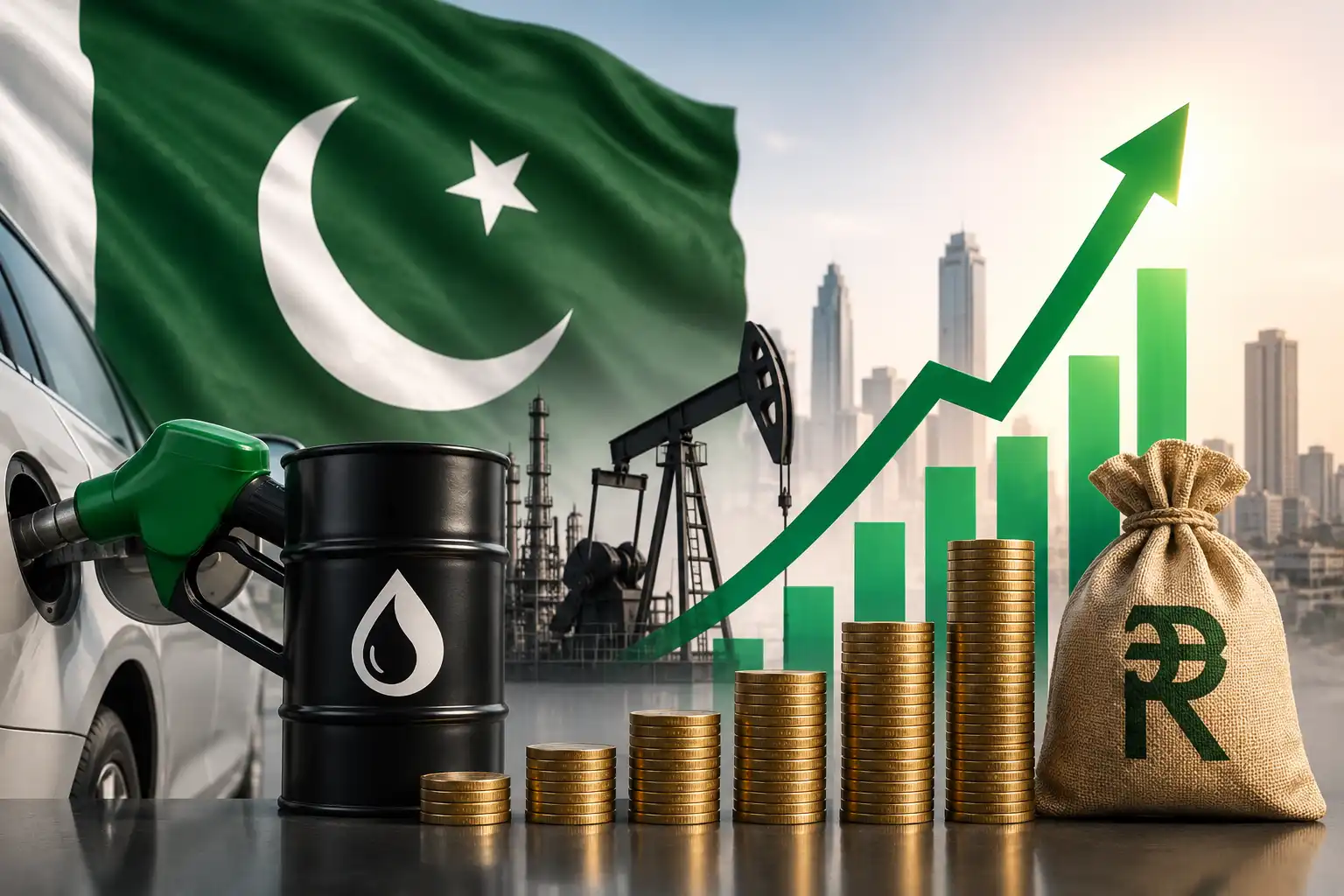
Pakistan Sets Ambitious Goal to Collect Rs10780 Billion Through Petroleum Levy in Five Years
Pakistan has set an ambitious financial target to collect Rs10,780 billion through the petroleum levy over the next five years as part of its broader fiscal and economic strategy. The petroleum levy has become one of the government’s most significant sources of non-tax revenue, helping authorities generate funds without directly increasing conventional taxes. As fuel consumption remains an essential part of economic activity, the government views the levy as a reliable mechanism for supporting public finances and meeting budgetary requirements.
Petroleum Levy Revenue Target and Its Economic Importance
The Petroleum Levy Revenue Target of Rs10,780 billion over five years highlights the government’s confidence in the continued contribution of fuel-related revenues to the national economy. Petroleum levies are imposed on petroleum products such as petrol, diesel, and other fuels consumed across the country.
Unlike some taxes that are shared with provinces under constitutional arrangements, petroleum levy collections remain with the federal government. This provides policymakers with greater flexibility in managing federal expenditures and financing key projects. The revenue generated through the levy can support infrastructure development, debt servicing, energy sector reforms, and other essential government functions.
Factors Supporting the Petroleum Levy Revenue Target
First, population growth and urbanization continue to increase demand for transportation and energy. As more vehicles enter the roads and economic activity expands, fuel consumption is likely to remain substantial.
Second, industrial development and commercial activity require a steady supply of petroleum products. Manufacturing sectors, logistics companies, and transportation networks depend heavily on fuel, making petroleum consumption an integral part of economic growth.
Third, the government has gradually increased petroleum levy rates in recent years to enhance revenue generation. If current policies continue, higher levy rates combined with consistent fuel demand could significantly boost collections.
Petroleum Levy Revenue Target and Fiscal Stability
The Petroleum Levy Revenue Target is closely linked to Pakistan’s efforts to achieve fiscal stability. Governments often face challenges in balancing expenditures with available revenues. Petroleum levies provide a relatively predictable source of income that can help narrow budget deficits.
A stable revenue stream also strengthens the government’s ability to meet financial obligations without excessive borrowing. Reduced dependence on debt financing can contribute to improved macroeconomic stability and enhance investor confidence in the country’s economic management.
Impact on Consumers and Businesses
While petroleum levies generate important revenues for the government, they can also influence fuel prices paid by consumers and businesses. Higher levies generally increase the final cost of petroleum products, affecting transportation expenses and operational costs across multiple sectors.
For households, fuel price increases can indirectly affect the prices of goods and services due to higher transportation and distribution costs. Businesses, particularly those involved in logistics and manufacturing, may also face increased operating expenses.
Challenges in Achieving the Petroleum Levy Revenue Target
Despite the ambitious nature of the Petroleum Levy Revenue Target, several challenges could affect the government’s ability to meet its objectives.
Global oil price volatility remains one of the most significant uncertainties. Sharp increases in international oil prices may reduce domestic demand or create political pressure to lower levy rates. Similarly, economic slowdowns could lead to reduced fuel consumption, affecting revenue projections.
Revenue Projections and Future Outlook
The government’s plan to collect Rs10,780 billion through petroleum levies demonstrates the increasing role of fuel-related revenues in Pakistan’s fiscal framework. Annual collection targets are expected to rise gradually as authorities seek to strengthen revenue performance and support budgetary requirements.
Economic planners believe that consistent policy implementation, stable fuel demand, and effective revenue management will be essential for achieving the projected figures. The success of the strategy will depend on both domestic economic conditions and developments in global energy markets.
FOLLOW LIVE UPDATES
Key Highlights of the Five-Year Revenue Plan
- Total petroleum levy collection target: Rs10,780 billion.
- Revenue will be generated primarily from petrol and diesel consumption.
- The levy serves as a major source of federal government income.
- Strong fuel demand is expected to support long-term revenue growth.
- Fiscal stability and budget management remain central objectives.
- Economic conditions and global oil prices will influence collection performance.

