

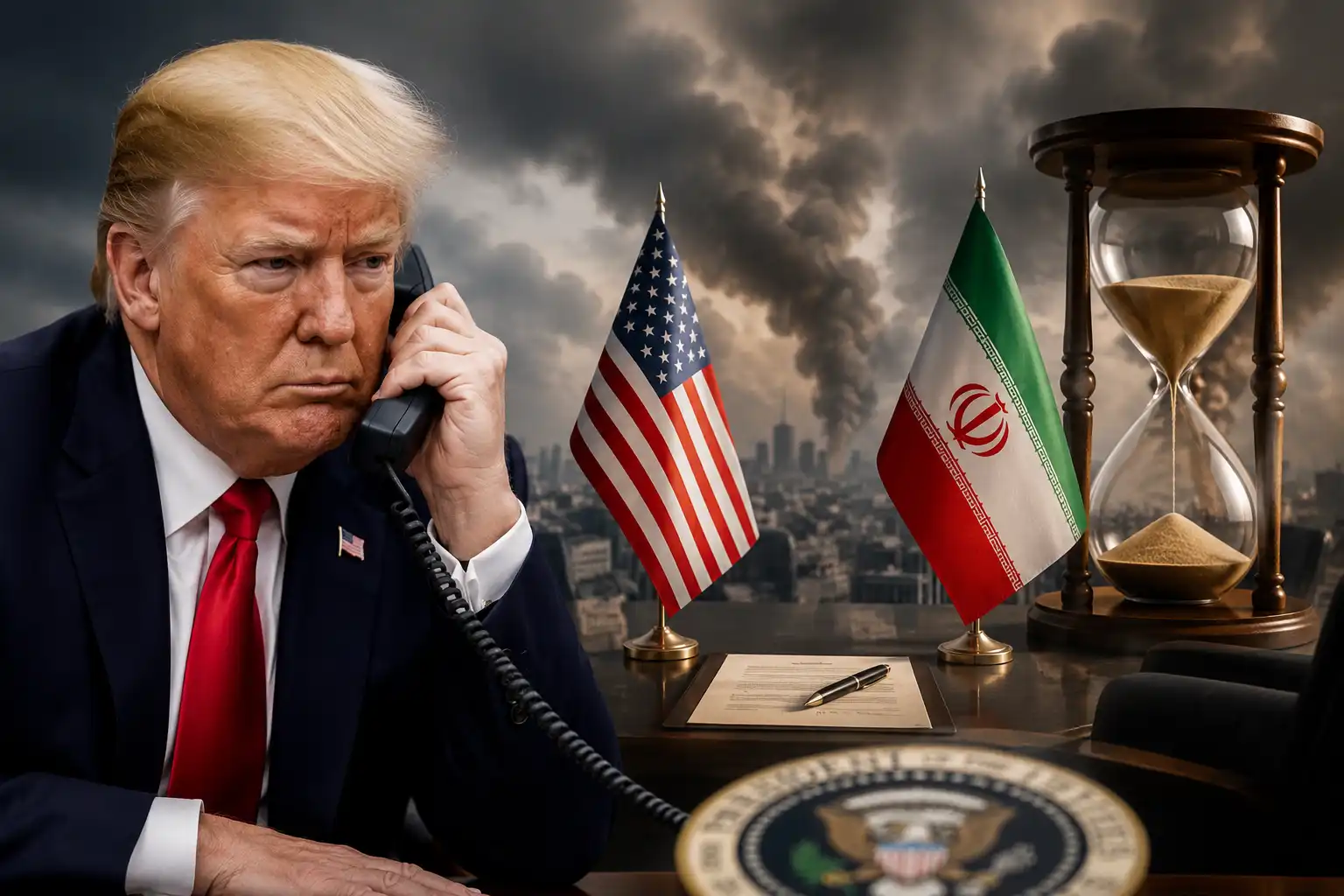
Trump Holds Final Talks on Iran Deal as Ceasefire Extension
The United States is closely watching a new diplomatic effort involving Iran as President Donald Trump reviews a proposed agreement that could extend a temporary ceasefire and open the door for broader negotiations. The discussions have attracted international attention because they involve key issues such as regional security, nuclear restrictions, and the future of trade routes in the Middle East.
According to reports, President Trump held a high-level meeting to make a final determination on the proposed arrangement. The agreement is expected to focus on extending the current ceasefire for 60 days while creating a framework for future talks regarding Iran’s nuclear program and regional commitments.
Iran Deal Faces Critical Diplomatic Test
The proposed Iran deal comes at a time of heightened tensions across the Middle East. Policymakers and international observers view the negotiations as an opportunity to reduce the risk of further conflict while encouraging diplomatic engagement.
Reports indicate that the United States wants firm guarantees from Iran regarding nuclear activities. President Trump stated that Iran must agree that it will never develop a nuclear weapon. The administration has also emphasized the importance of maintaining stability in regional shipping routes and preventing disruptions that could affect global energy markets.
Iran Deal and Nuclear Program Discussions
One of the most significant elements of the Iran deal involves future discussions about Iran’s nuclear program. The United States has repeatedly expressed concerns about nuclear development in the region, while Iran has maintained that its nuclear activities are intended for peaceful purposes.
The latest proposal reportedly does not represent a final agreement on the nuclear issue. Instead, it would begin a new phase of negotiations aimed at addressing long-standing concerns from both sides. Analysts note that reaching a lasting settlement will likely require extensive diplomatic engagement and cooperation from international partners.
Iran Deal Could Impact Global Shipping Routes
Another important aspect of the proposed Iran deal is the security of the Strait of Hormuz, one of the world’s most important maritime trade routes. Large volumes of global oil and commercial goods pass through this narrow waterway every day.
President Trump has emphasized that unrestricted shipping traffic must be allowed to move safely through the region. Reports also suggest that concerns regarding potential maritime threats are being discussed as part of the broader negotiations.
Iran Deal Reactions From Political Observers
The proposed Iran deal has generated mixed reactions among political commentators and policy experts. Some view the negotiations as a practical step toward reducing tensions and encouraging dialogue. Others question whether the current proposal includes enough concrete commitments from all parties involved.
What Happens Next for the Iran Deal?
Attention is now focused on the final decision regarding the proposed arrangement. If approved, the agreement could extend the ceasefire for 60 days and launch formal talks on several key issues, including nuclear restrictions, regional stability, and maritime security.
Diplomatic teams from multiple sides are expected to remain engaged as discussions continue. The outcome of these negotiations could influence regional politics, international relations, and economic stability far beyond the Middle East. For now, world leaders, investors, and security experts are waiting to see whether the latest effort can create a path toward a more stable and predictable future.
Trump Holds Final Talks on Iran Deal as Ceasefire Extension
The United States is closely watching a new diplomatic effort involving Iran as President Donald Trump reviews a proposed agreement that could extend a temporary ceasefire and open the door for broader negotiations. The discussions have attracted international attention because they involve key issues such as regional security, nuclear restrictions, and the future of trade routes in the Middle East.
According to reports, President Trump held a high-level meeting to make a final determination on the proposed arrangement. The agreement is expected to focus on extending the current ceasefire for 60 days while creating a framework for future talks regarding Iran’s nuclear program and regional commitments.
Iran Deal Faces Critical Diplomatic Test
The proposed Iran deal comes at a time of heightened tensions across the Middle East. Policymakers and international observers view the negotiations as an opportunity to reduce the risk of further conflict while encouraging diplomatic engagement.
Reports indicate that the United States wants firm guarantees from Iran regarding nuclear activities. President Trump stated that Iran must agree that it will never develop a nuclear weapon. The administration has also emphasized the importance of maintaining stability in regional shipping routes and preventing disruptions that could affect global energy markets.
Iran Deal and Nuclear Program Discussions
One of the most significant elements of the Iran deal involves future discussions about Iran’s nuclear program. The United States has repeatedly expressed concerns about nuclear development in the region, while Iran has maintained that its nuclear activities are intended for peaceful purposes.
The latest proposal reportedly does not represent a final agreement on the nuclear issue. Instead, it would begin a new phase of negotiations aimed at addressing long-standing concerns from both sides. Analysts note that reaching a lasting settlement will likely require extensive diplomatic engagement and cooperation from international partners.
Iran Deal Could Impact Global Shipping Routes
Another important aspect of the proposed Iran deal is the security of the Strait of Hormuz, one of the world’s most important maritime trade routes. Large volumes of global oil and commercial goods pass through this narrow waterway every day.
Iran Deal Reactions From Political Observers
The proposed Iran deal has generated mixed reactions among political commentators and policy experts. Some view the negotiations as a practical step toward reducing tensions and encouraging dialogue. Others question whether the current proposal includes enough concrete commitments from all parties involved.
What Happens Next for the Iran Deal?
Attention is now focused on the final decision regarding the proposed arrangement. If approved, the agreement could extend the ceasefire for 60 days and launch formal talks on several key issues, including nuclear restrictions, regional stability, and maritime security.
Diplomatic teams from multiple sides are expected to remain engaged as discussions continue. The outcome of these negotiations could influence regional politics, international relations, and economic stability far beyond the Middle East. For now, world leaders, investors, and security experts are waiting to see whether the latest effort can create a path toward a more stable and predictable future.

