

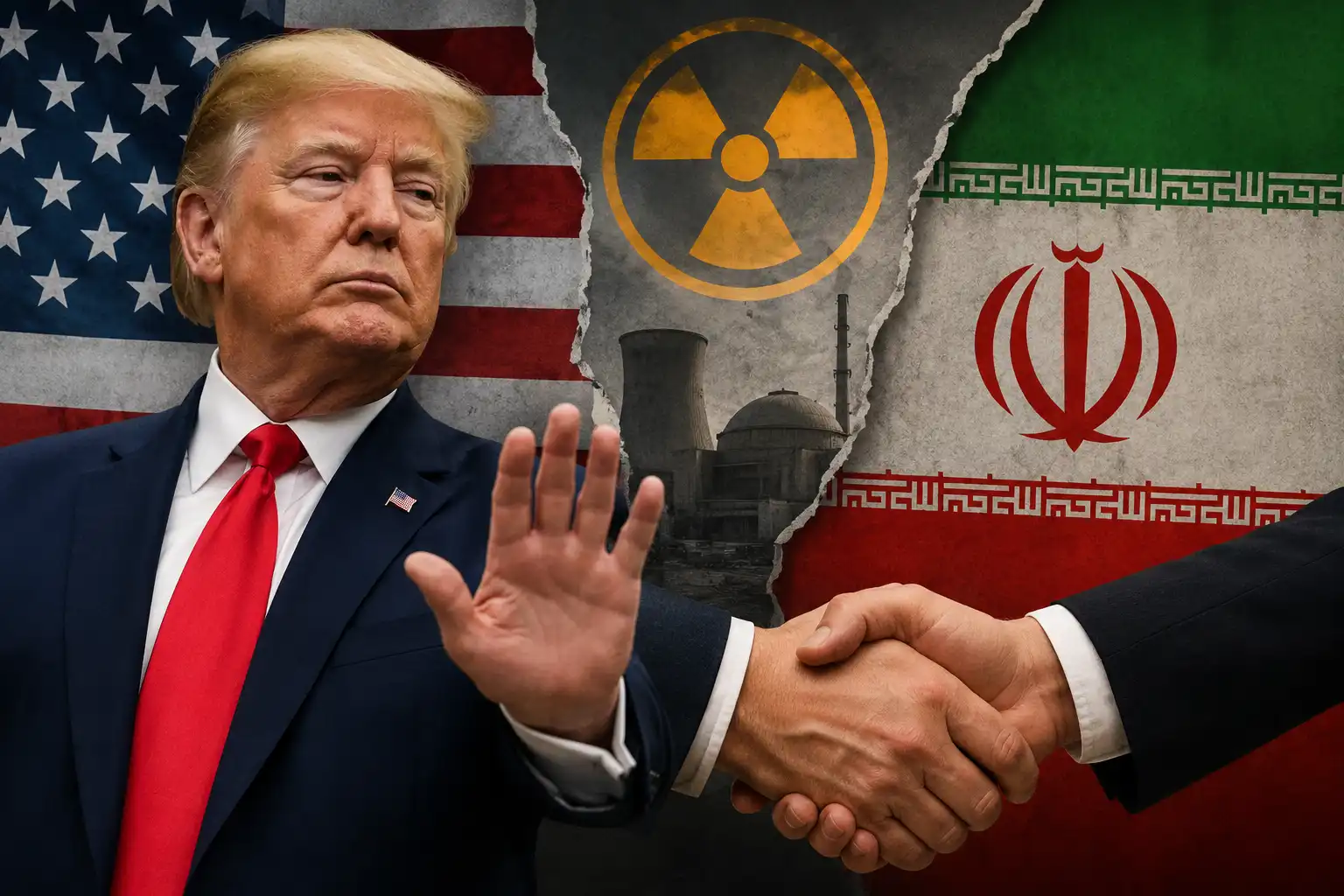
Trump Rejects Criticism Over Potential Agreement With Iran
Former US President Donald Trump has dismissed growing criticism surrounding a possible agreement with Iran. The debate began after reports suggested that discussions linked to easing tensions between the United States and Iran were progressing behind the scenes. Trump defended his approach, arguing that diplomacy and strategic negotiations are necessary to prevent larger conflicts in the Middle East.
The issue has quickly become a major political topic in Washington, with supporters and critics offering sharply different views on how the United States should deal with Iran’s nuclear ambitions and regional influence.
Why The Potential Agreement With Iran Is Causing Debate
The possibility of a renewed understanding between the US and Iran has sparked reactions from politicians, foreign policy experts, and international allies. Critics believe that any agreement could allow Iran to strengthen its position economically and politically. They argue that sanctions relief may provide Tehran with additional financial resources without guaranteeing long-term stability in the region.
Supporters, however, say diplomacy remains the best option to avoid military escalation. They believe that direct engagement can reduce tensions and create opportunities for future cooperation on nuclear restrictions and regional security matters.
The discussions also revive memories of the 2015 Iran nuclear deal, officially known as the Joint Comprehensive Plan of Action (JCPOA). Trump withdrew the United States from that agreement during his presidency, calling it one of the worst international deals ever negotiated.
Trump Rejects Criticism Over Potential Agreement With Iran During Campaign Events
During recent campaign appearances, Trump strongly defended his record on Iran. He rejected accusations that current discussions contradict his previous policies. According to Trump, his administration applied maximum pressure on Tehran while also keeping diplomatic channels open whenever necessary.
He argued that critics misunderstand the purpose of negotiations and claimed that strong leadership requires balancing pressure with strategic communication. Trump also insisted that preventing Iran from developing nuclear weapons remains a top priority.
Political analysts believe the issue may play a major role in the upcoming US election campaign. Foreign policy and national security are expected to become central talking points as candidates attempt to convince voters that they can handle international crises effectively.
International Reactions To The Iran Negotiations
The possibility of renewed diplomatic engagement has also drawn reactions from global leaders. European countries have generally supported efforts aimed at reducing tensions between Washington and Tehran. Several governments believe that diplomacy offers the best chance to avoid another major conflict in the Middle East.
At the same time, some regional allies of the United States remain cautious. Israel has repeatedly warned about Iran’s nuclear activities and military influence across the region. Israeli officials continue to stress the importance of strict monitoring and strong security guarantees.
Middle Eastern nations are closely watching developments as any agreement could impact oil markets, regional alliances, and military stability. Energy analysts say that even small diplomatic breakthroughs could influence global oil prices and international trade conditions.
Trump Rejects Criticism Over Potential Agreement With Iran Amid Security Concerns
Security concerns remain one of the biggest obstacles in any future agreement. Critics argue that Iran’s missile program and support for armed groups across the Middle East must also be addressed alongside nuclear issues.
Trump responded by saying that his approach always focused on protecting American interests first. He claimed that negotiations should never be seen as weakness but rather as a tool for achieving stronger outcomes without entering costly wars.
Experts say balancing diplomacy with security demands will remain difficult. Any future agreement would likely require detailed inspections, international cooperation, and long-term monitoring systems to ensure compliance from all sides.
Political Pressure Continues In Washington
Inside the United States, political pressure continues to grow. Republican lawmakers have largely criticized any move toward easing tensions with Iran, while some Democrats believe diplomatic engagement is necessary to reduce global instability.
Public opinion also remains divided. Some Americans support negotiations to avoid military conflict, while others fear that Iran could gain too much influence through international agreements.
The Biden administration has faced questions regarding its strategy toward Tehran, especially as tensions in the Middle East continue to affect global politics. Trump’s comments have added another layer to the debate, placing foreign policy once again at the center of American political discussions.
What The Iran Discussions Could Mean For Global Politics
The outcome of any potential agreement may shape international relations for years to come. Analysts believe future negotiations could affect global energy markets, military alliances, and diplomatic relations across Europe, Asia, and the Middle East.
As discussions continue, world leaders are expected to monitor every development carefully. Whether negotiations succeed or fail, the political impact is already being felt in both Washington and international capitals.

