

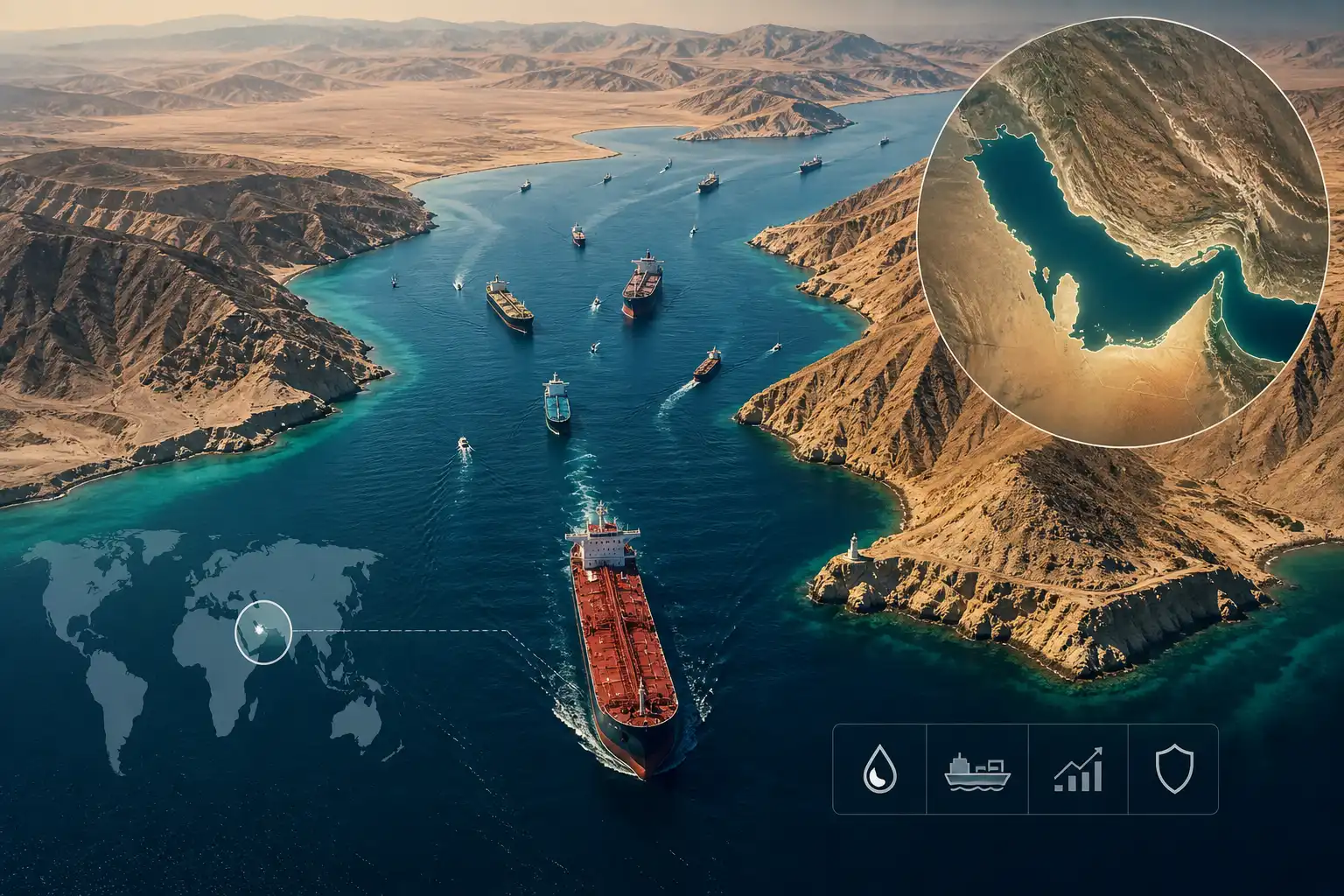
Strategic Importance of the Strait of Hormuz
The Strait of Hormuz is one of the world’s most critical maritime chokepoints, connecting the Persian Gulf to the Arabian Sea and the wider Indian Ocean. A significant portion of global oil and gas shipments passes through this narrow waterway, making it a vital artery for international trade and energy security. Any disruption or regulatory change in this region has far-reaching consequences for global markets, shipping industries, and geopolitical stability.
Shipping in the Strait of Hormuz Conditional on Iranian Military Approval
In a recent statement, Iran Khatam al-Anbiya Headquarters announced that shipping in the Strait of Hormuz would now be conditional upon the approval of Iranian armed forces. This declaration underscores Iran’s intent to assert greater control over one of the most strategically significant maritime routes in the world. The move is being interpreted as both a security measure and a political signal amid ongoing regional tensions.
Iranian officials have emphasized that the decision is aimed at safeguarding national interests and ensuring the security of maritime navigation. However, the announcement has raised concerns among international stakeholders who rely heavily on uninterrupted access to this crucial shipping lane.
Background of Khatam al-Anbiya Headquarters
Khatam al-Anbiya Headquarters is a central command unit within Iran’s military structure, responsible for coordinating large-scale defense operations and infrastructure projects. Over the years, it has played a significant role in both military and economic domains, reflecting the integration of strategic planning and national development within Iran’s governance framework.
The headquarters’ involvement in regulating maritime activity highlights the increasing militarization of key economic zones, particularly in regions where geopolitical rivalries are intense.
Shipping in the Strait of Hormuz Conditional on Iranian Military Approval and Global Reactions
The international community has reacted with caution to Iran’s announcement. Countries dependent on energy imports from the Gulf region are closely monitoring the situation, as any restriction on shipping could lead to supply disruptions and price volatility. Major naval powers have also expressed concern about the potential implications for freedom of navigation, a principle that underpins global maritime law.
Shipping companies and insurers are particularly sensitive to such developments. Increased military oversight could lead to higher operational costs, delays, and elevated risk assessments for vessels transiting the Strait of Hormuz. This, in turn, may impact global trade flows and economic stability.
Regional Security Implications
The decision to make shipping conditional on Iranian military approval is likely to heighten tensions in an already volatile region. Neighboring countries and international allies may perceive this move as an attempt to exert political leverage, potentially prompting countermeasures or increased military presence in the area.
The Strait of Hormuz has historically been a flashpoint for conflicts and confrontations, and any escalation could have serious consequences for regional peace. Ensuring the security of this vital corridor requires a delicate balance between national sovereignty and international cooperation.
Economic Consequences for Global Markets
Energy markets are particularly vulnerable to developments in the Strait of Hormuz. Even the perception of risk can lead to fluctuations in oil prices, affecting economies worldwide. If shipping becomes subject to additional approvals and inspections, it could slow down the movement of goods, increase transportation costs, and disrupt supply chains.
Countries heavily reliant on Gulf energy exports may face challenges in meeting demand, while importing nations could experience rising costs and economic uncertainty. The ripple effects of such changes highlight the interconnected nature of global trade and energy systems.
Diplomatic and Strategic Considerations
Iran’s announcement may also be viewed within the broader context of its diplomatic strategy. By asserting control over the Strait of Hormuz, Iran is signaling its influence in regional affairs and its willingness to challenge existing norms. This could lead to renewed diplomatic efforts aimed at de-escalation and dialogue.
At the same time, the situation underscores the importance of international frameworks that govern maritime conduct. Balancing national security concerns with the need for open and secure shipping routes remains a complex challenge for policymakers.
Future Outlook and Ongoing Developments
The implementation of this policy will be closely watched by governments, industry stakeholders, and analysts. Its practical impact will depend on how strictly the regulations are enforced and how other nations respond. Continuous monitoring and diplomatic engagement will be essential in preventing misunderstandings and ensuring stability in the region.
As the situation evolves, the Strait of Hormuz will remain a focal point of global attention, reflecting the intricate interplay between security, economics, and geopolitics in today’s interconnected world.

