
Major Drop in Gold and Silver Prices in Global and Local Markets
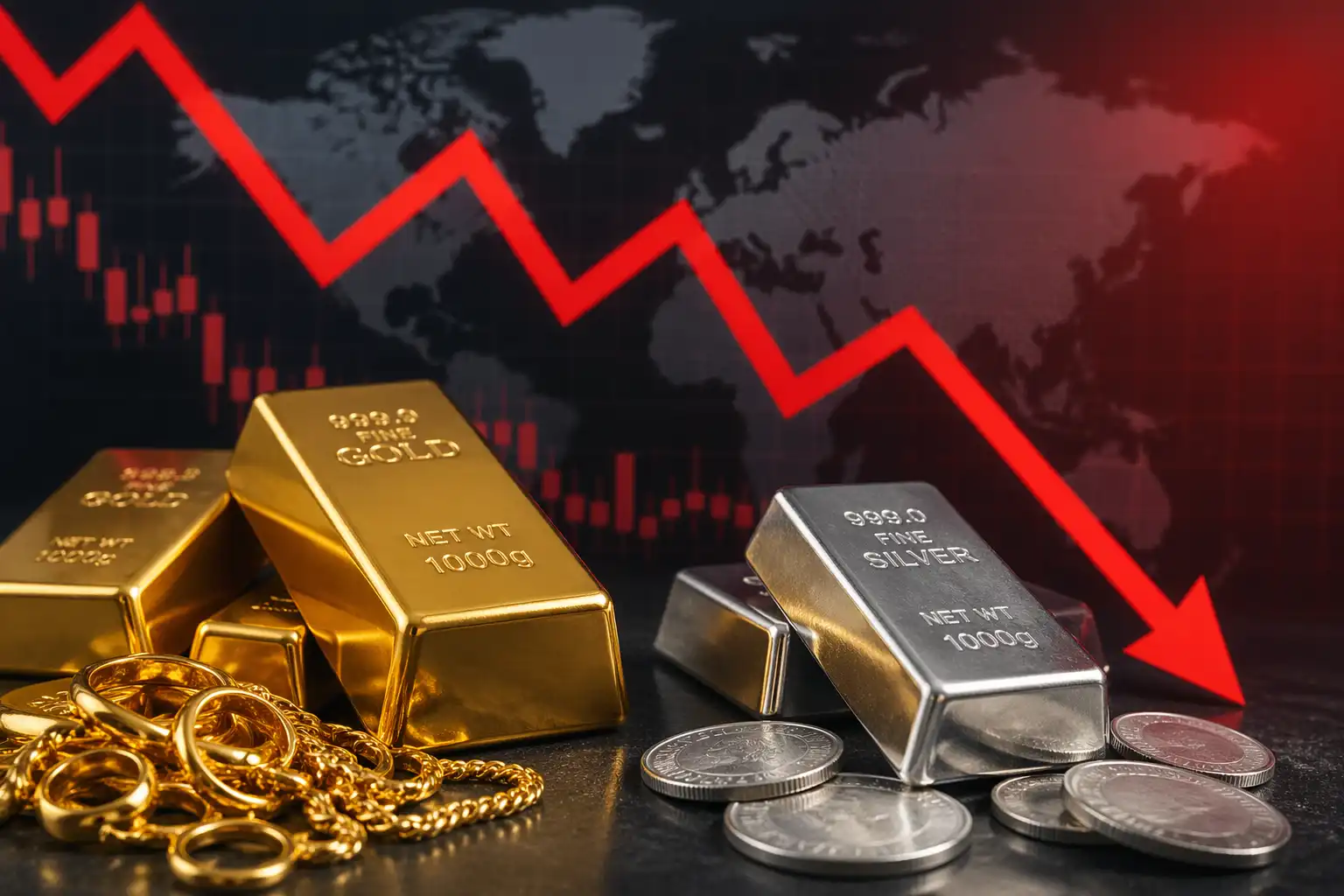
The global and local financial landscape has witnessed a significant shift as gold and silver prices experience a sharp decline. Investors, traders, and consumers are closely monitoring these developments, as precious metals have long been considered safe-haven assets. The recent downward trend has raised concerns and curiosity about the factors driving this change and its potential implications for markets worldwide.
Gold and silver prices are influenced by a complex interaction of economic indicators, geopolitical tensions, currency fluctuations, and investor sentiment. A notable decrease in their value often signals changing market dynamics and evolving investor priorities.
Global Gold Price Decline and Its Causes
The global drop in gold and silver prices decline can largely be attributed to a strengthening US dollar and rising interest rates. When the US dollar gains strength, gold becomes more expensive for holders of other currencies, leading to reduced demand. Additionally, higher interest rates increase the opportunity cost of holding non-yielding assets like gold and silver.
Another major factor is the improved outlook for the global economy. As fears of recession ease, investors tend to shift their funds from safe-haven assets like gold into riskier investments such as stocks and commodities. This shift reduces demand for precious metals, causing prices to fall.
Furthermore, central bank policies have played a critical role. Some central banks have slowed down their gold purchases, which previously supported higher prices. This reduction in institutional demand has added pressure on the market.
Impact on Local Gold Markets
The gold and silver prices decline in local markets, including countries like Pakistan, reflects global trends but is also influenced by domestic factors. Currency exchange rates, import duties, and local demand significantly affect how price changes are felt at the consumer level.
In Pakistan, the depreciation or stabilization of the Pakistani Rupee against the US dollar directly impacts gold prices. When the rupee stabilizes or strengthens slightly, it can amplify the effect of falling international prices, leading to a more noticeable drop locally.
Jewelry markets have responded quickly to this shift. Lower gold prices often attract buyers who were previously hesitant due to high costs. As a result, local jewelers may see increased customer activity despite the overall decline in prices.
Silver Market Trends and Price Reduction
Silver has also experienced a notable decline, often mirroring gold’s movement but with higher volatility. The silver prices drop is influenced not only by investment demand but also by industrial usage. Silver is widely used in electronics, solar panels, and manufacturing, making it sensitive to changes in industrial activity.
A slowdown in manufacturing sectors or reduced industrial demand can lead to lower silver prices. Additionally, speculative trading in commodity markets has contributed to price fluctuations, intensifying the recent decline.
Investors who view silver as a more affordable alternative to gold may find opportunities during this downturn, although the risk associated with volatility remains high.
Investor Reactions to Falling Precious Metal Prices
The gold and silver prices decline impact on investors has been mixed. Some investors see this as a buying opportunity, believing prices may rebound in the future. Others, however, are cautious and prefer to wait for further stabilization before making investment decisions.
Institutional investors are diversifying their portfolios, reducing reliance on precious metals and exploring other asset classes. Retail investors, on the other hand, may take advantage of lower prices to purchase gold for long-term security or cultural purposes, especially in regions where gold holds traditional value.
Market analysts suggest that short-term volatility may continue, and investors should remain vigilant and informed before making decisions.
Market Outlook and Future Expectations
Looking ahead, the future of gold and silver prices remains uncertain. Much will depend on global economic conditions, inflation trends, and central bank policies. If inflation rises again or geopolitical tensions escalate, gold and silver could regain their appeal as safe-haven assets.
Conversely, if economic growth remains steady and interest rates continue to rise, downward pressure on prices may persist. Technological advancements and industrial demand will also play a key role in shaping silver’s trajectory.
Analysts recommend closely monitoring global financial indicators and staying updated with market trends. Strategic investment decisions based on thorough research can help navigate the uncertainties surrounding precious metal markets.

