

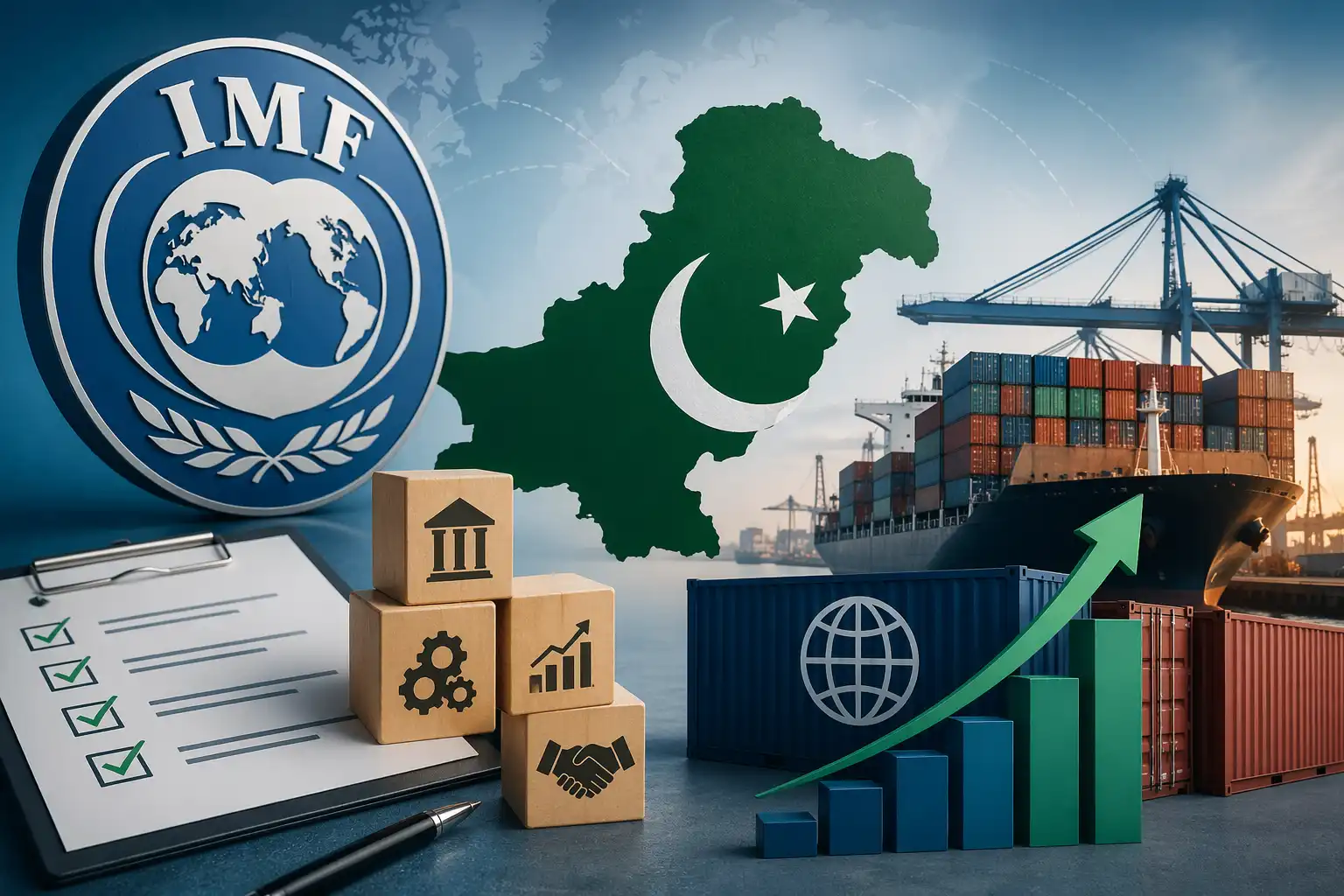
IMF Conditions and Reforms in Pakistan Tariff and Trade System
Pakistan’s ongoing engagement with the International Monetary Fund (IMF) has once again brought structural reforms into sharp focus. Among the most critical areas highlighted are changes in the country’s tariff structure and overall trade system. These reforms are not merely technical adjustments; they are part of a broader strategy to stabilize the economy, enhance competitiveness, and ensure sustainable growth. The IMF conditions emphasize transparency, efficiency, and alignment with global trade practices.
Understanding IMF Conditions in Pakistan’s Tariff and Trade System
The IMF conditions require Pakistan to overhaul its tariff regime, which has long been criticized for being overly complex and protectionist. The current tariff structure includes multiple slabs, additional customs duties, regulatory duties, and special exemptions. This complexity not only distorts market competition but also discourages foreign investment.
Under IMF guidance, Pakistan is expected to simplify tariffs by reducing the number of duty slabs and gradually lowering overall tariff rates. The aim is to create a more predictable and business-friendly environment. By doing so, the government hopes to eliminate inefficiencies and reduce the cost of doing business in the country.
Key Reforms in Tariff Policy Under IMF Conditions
One of the major reforms involves the gradual elimination of additional and regulatory duties. These duties were initially imposed to control imports and protect local industries, but they have often led to unintended consequences such as smuggling and under-invoicing.
Another important step is the rationalization of tariff rates. The IMF conditions encourage Pakistan to move toward a uniform tariff structure where similar goods are taxed at similar rates. This reduces opportunities for misclassification and corruption within the customs system.
Additionally, the government is working on digitizing customs procedures to enhance transparency. Automation not only speeds up the clearance process but also minimizes human intervention, thereby reducing the chances of malpractice.
Impact of IMF Conditions on Trade Liberalization
Trade liberalization is a central theme in the IMF conditions. By lowering tariffs and removing non-tariff barriers, Pakistan can integrate more effectively into the global economy. This shift is expected to boost exports by making local industries more competitive internationally.
However, trade liberalization also presents challenges. Domestic industries that have long relied on protectionist policies may struggle to compete with imported goods. To address this, the government is considering targeted support measures such as subsidies, training programs, and technological upgrades.
Challenges in Implementing IMF Conditions in Pakistan’s Tariff and Trade System
Despite the potential benefits, implementing these reforms is not without obstacles. Political resistance is one of the biggest challenges, as tariff reductions can lead to short-term revenue losses and pressure from local industries.
Another issue is institutional capacity. Effective implementation requires strong coordination between various government departments, including the Ministry of Finance, the Federal Board of Revenue, and the Ministry of Commerce. ضعف in administrative capabilities can slow down the reform process.
Moreover, there is a social dimension to consider. Changes in trade policy can impact employment in certain sectors, particularly those that are less competitive. Managing this transition requires careful planning and social safety nets.
Economic Benefits of Tariff and Trade Reforms Under IMF Conditions
If implemented successfully, these reforms can yield significant economic benefits. A simplified tariff structure can increase government revenue in the long run by reducing tax evasion and improving compliance.
Furthermore, a more open trade system can attract foreign direct investment. Investors are more likely to enter markets that offer transparency and consistency in policies. This influx of investment can create jobs, enhance productivity, and contribute to economic growth.
Another advantage is improved export performance. By reducing input costs and enhancing efficiency, Pakistani industries can compete more effectively in international markets.
Strengthening Pakistan’s Trade Competitiveness
Instead of a traditional conclusion, it is important to focus on the path ahead. Pakistan must adopt a phased approach to implementing IMF conditions, ensuring that reforms are both sustainable and inclusive. Policymakers need to balance economic efficiency with social protection, providing support to sectors that may be adversely affected.
Capacity building within institutions is equally crucial. Training programs, technological upgrades, and better governance can significantly improve the effectiveness of these reforms. Public awareness and stakeholder engagement will also play a key role in ensuring acceptance and smooth implementation.
Ultimately, reforms in Pakistan’s tariff and trade system under IMF conditions are not just obligations but opportunities. With the right strategy and commitment, they can transform the country’s economic landscape and pave the way for long-term stability and growth.

